
From Dublin Rain to Algarve Sun: My First Year as an Expat in Portugal
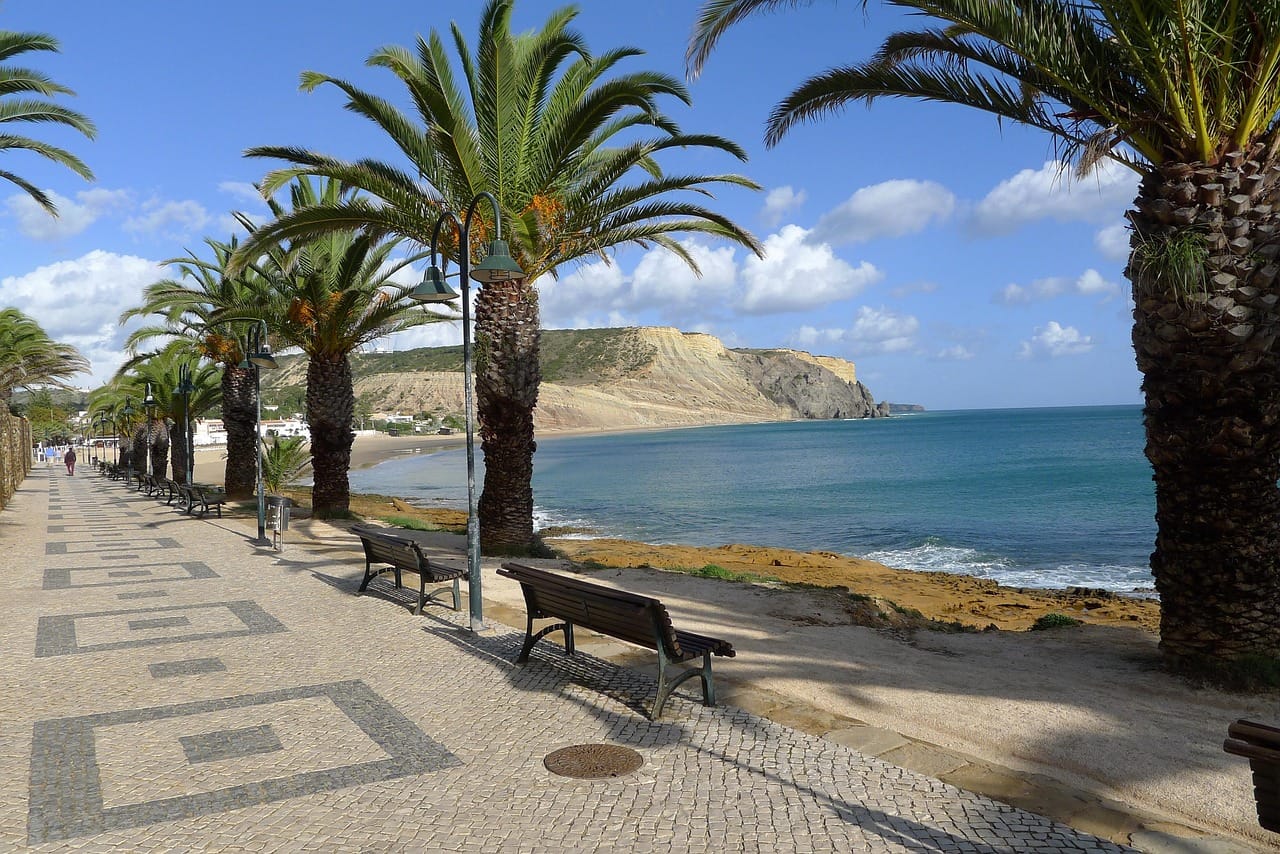
I still remember the exact moment I decided to leave Dublin. I was standing at a bus stop on Dame Street, November rain soaking through my supposedly waterproof jacket (spoiler: it wasn’t), and I thought, “There has to be more to life than this.” Not more in a grand, philosophical sense. Just more sunshine, more color, more of those mornings where you wake up and actually want to throw open the windows instead of sealing yourself inside against the cold.
That was fourteen months ago. Today, I’m writing this from my tiny balcony in Lagos, watching the Atlantic turn gold in the late afternoon light, a glass of vinho verde sweating beside my laptop. My first year as an expat in Portugal has been nothing like I expected. It’s been harder, weirder, and infinitely more rewarding than any Pinterest board could have prepared me for.
The Rose-Tinted Glasses Phase (Months 1-3)
Let’s be honest: the first three months were basically an extended holiday with a Portuguese address. Everything felt like an adventure. Grocery shopping? Exciting! Getting lost trying to find the post office? Character building! Attempting to order coffee in broken Portuguese and accidentally asking for a "small train" instead of a café? Absolutely hilarious.
I was living in a furnished apartment in the old town, working my usual freelance copywriting gigs from cafés with ocean views, and spending my afternoons exploring golden beaches that seemed to stretch forever. The weather was absurdly perfect; 18-22°C (64-72°F) even in January, with crisp blue skies that made Dublin’s perpetual gray seem like a bad dream I’d finally woken up from.
During those early months, I fell hard for the Algarve. I loved the terracotta rooftops tumbling down toward the sea, the way locals greeted each other with genuine warmth, the pastel de nata from the bakery down my street (still warm at 7 a.m., dusted with cinnamon, absolutely life-changing). I started a travel vlog to document it all, convinced I’d discovered some secret paradise that the rest of the world had somehow overlooked.
“I should have done this years ago,” I told everyone. My friends back home rolled their eyes at my Instagram stories of sunset beach walks and €1.50 espressos.
Reality Sets In (Months 4-6)
Then winter, actual winter, arrived, and with it, reality.
Here’s what nobody tells you about the Algarve in winter: Portuguese homes aren’t built for cold weather. Central heating is rare, insulation is basically nonexistent, and when the temperature drops to 10°C (50°F) outside, it somehow feels colder inside than it ever did in Dublin. I spent February wearing three jumpers and working under a blanket, my fingers too cold to type properly. Romantic, right?
The bureaucracy hit around the same time. Getting my residency card took three trips to different government offices, a translator, and approximately seventeen photocopies of documents I’d already submitted twice. The NIF (tax number) process alone made me question all my life choices. Portuguese bureaucracy moves at its own pace, and that pace is decidedly not aligned with anyone in a hurry.
I also started feeling lonely in a way I hadn’t anticipated. Sure, I’d made acquaintances, other expats, mostly, but building real friendships takes time, and suddenly I missed the easy intimacy of people who’d known me for years. I missed popping round to my best mate’s flat unannounced. I missed Irish humor and shared cultural references. I even missed the chance to complain about the weather with strangers at the bus stop.
The travel vlog went quiet for a few weeks. Turns out "Woman Sits Inside Under Blanket, Questions Life Decisions" doesn’t make for compelling content.
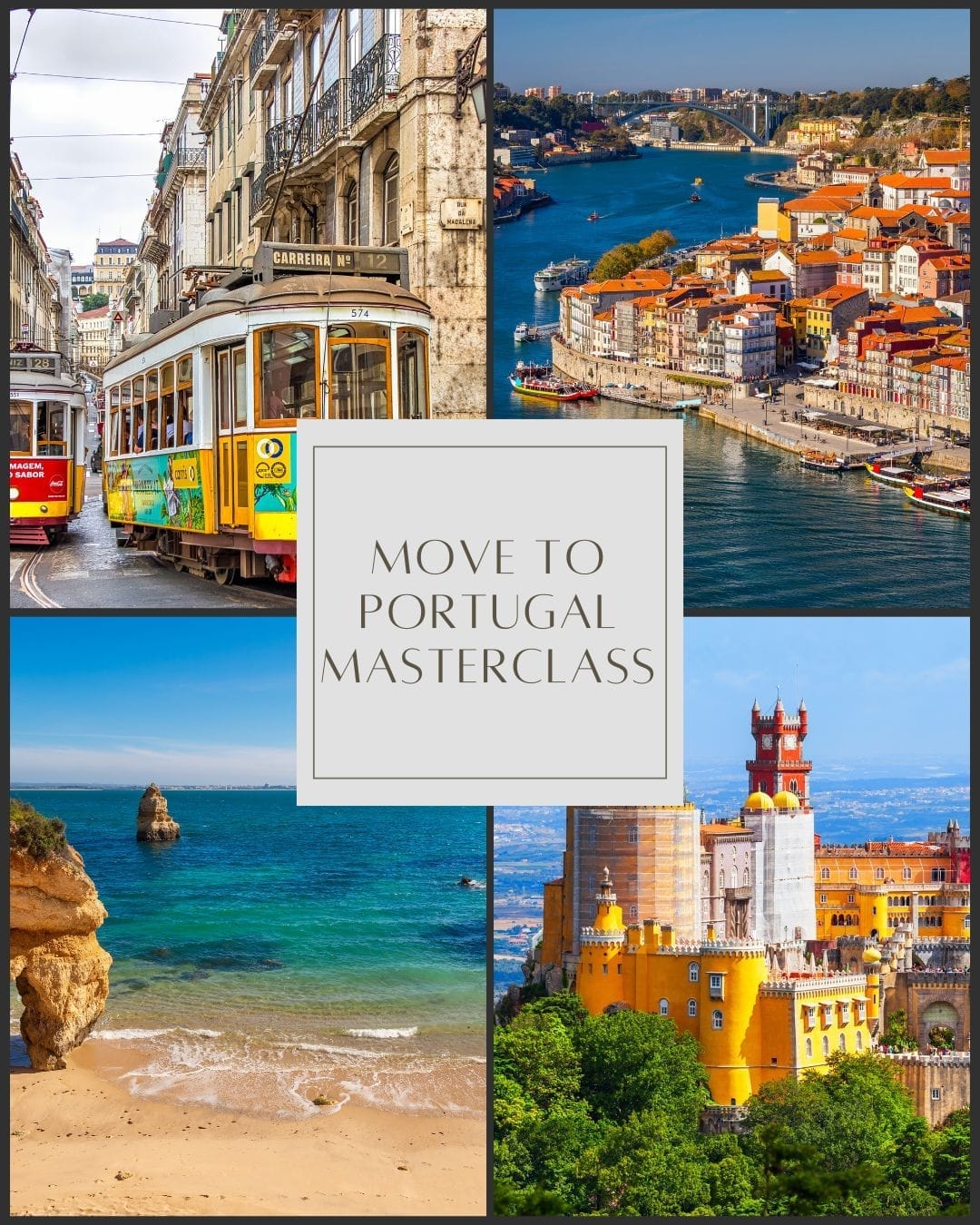
Ready to make your move to Portugal?
Our comprehensive
'Move to Portugal Masterclass'
This online course covers everything you need to know—from visa applications and tax planning to finding housing and building your local network. Learn from entrepreneurs who've successfully made the transition and avoid costly mistakes.
Finding My Rhythm (Months 7-9)
Spring changed everything.
The Algarve explodes into color in March: wildflowers everywhere, orange trees heavy with fruit, the sea turning from winter gray to that impossible Mediterranean blue. The tourists hadn’t arrived yet, which meant the beaches and coastal paths felt like a secret again, just for those of us who’d stuck through the quiet months.
I started actually learning Portuguese, not just survival phrases. I found a language exchange partner, Carolina, who became my first real Portuguese friend. She introduced me to her family, who insisted on feeding me approximately four thousand calories every time I visited their house in Portimão. Her grandmother taught me to make caldo verde properly, in a kitchen that smelled like olive oil and garlic and felt more like home than anywhere I had in months.
My work life found its groove, too. I’d been nervous about maintaining my freelance income from Portugal, but it turned out to be easier than expected. The time zone works perfectly for UK clients (same as Dublin, obviously), and having reliable internet was less of an issue than I’d feared. I started working from a coworking space in Lagos, which solved both my need for proper heating and my need for human interaction.
That’s where I met João, my partner. He’s Portuguese-Brazilian, runs a surf school in the summer, and has the most infectious laugh I’ve ever heard. Our first conversation was me attempting to explain my work, and him patiently not laughing at my terrible Portuguese. We’ve been together six months now, which has given me a whole new perspective on Portuguese culture: the family Sunday lunches that last five hours, the way people here prioritize relationships over schedules, the unwritten rules I’d been missing.
Settling In (Months 10-12)
By month ten, something shifted. Portugal stopped feeling like a place I was visiting and started feeling like somewhere I belonged.
I moved out of my tourist-area apartment and into a longer-term place with a proper kitchen and actual insulation. It’s further from the beach but closer to real life: Portuguese families, a neighborhood market, the kind of local café where they know my order. My monthly expenses settled into a comfortable rhythm: about $1,650 USD for rent (one-bedroom, nothing fancy but mine), around $385 USD for groceries (eating well, not skimping), $110 USD for utilities, maybe $220 USD for going out and entertainment. Living here costs roughly 30% less than in Dublin, and the quality-of-life difference is immeasurable.
The vlog came back to life, but it was different. Instead of just showing pretty beaches and perfect sunsets, I started sharing the real stuff—the bureaucratic nightmares, the language mishaps, the moments of homesickness. Ironically, that’s when people really started connecting with it. Turns out, everyone moving abroad feels lost sometimes; they just don’t often admit it.
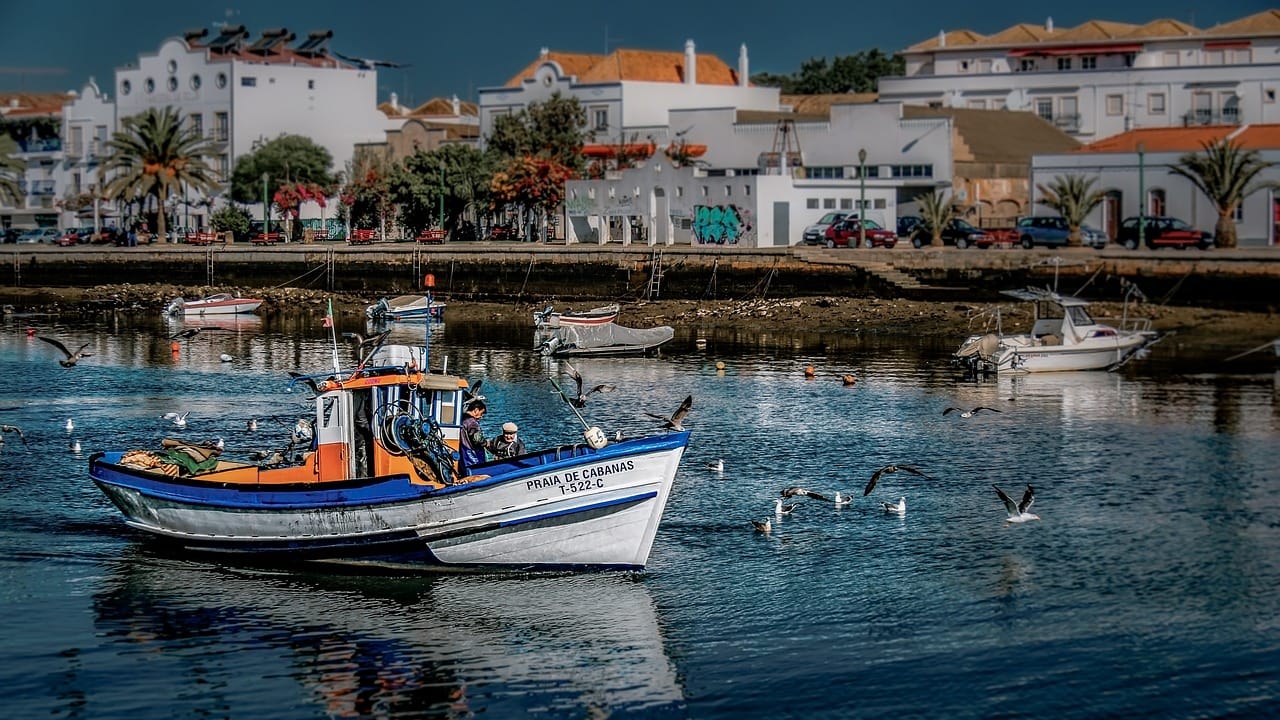
I started exploring beyond the Algarve, too. Weekend trips to Lisbon to feel that big-city energy again. A week in Porto, falling in love with the Douro Valley. Road trips along empty coastal roads with João, discovering tiny fishing villages where I was the only foreigner in sight. Portugal is so much more than the postcard version I’d imagined from Dublin.
The biggest surprise? I stopped comparing everything to Ireland. In the beginning, it was constant: this is better than Dublin, this is worse than Dublin, in Ireland we do it this way. But gradually, Portugal became its own thing. Not better or worse, just different. Just itself. Just home.
The Practical Realities They Don’t Tell You
After a year, here’s what I wish someone had told me before I moved:
Healthcare is genuinely excellent. I was nervous about leaving Ireland’s health system, but Portugal’s public healthcare surprised me. I registered at my local health center (free with residency), got assigned a family doctor, and have had zero issues. Private health insurance costs me about $66 USD monthly, mainly for peace of mind and faster appointments.
The language barrier is real. Yes, many Portuguese people speak English, especially in tourist areas. But if you want to actually live here, deal with banks, make friends, and understand your bills, you need Portuguese. It’s not optional. I’m still intermediate at best, but even my fumbling attempts open doors that staying in English never would.
Banking and finances require patience. Opening a Portuguese bank account took three weeks and felt like I was applying for MI6. You’ll need patience, documents, and more patience. But it’s worth it. You need a local account for pretty much everything.
The social scene changes with the seasons. Summer Algarve is a party: internationals everywhere, beach clubs, events every night. Winter in the Algarve is quiet, introspective, and sometimes isolating. If you need constant social stimulation, this might not be your place from October through March.
You’ll need a car, eventually. I managed without one for eight months, but life got exponentially easier once I bought a used car. Public transport exists but isn’t comprehensive, and the Algarve really opens up when you can explore freely.
Portuguese work culture is different. Things move more slowly. Lunch breaks are sacred (and long). People prioritize life over work in a way that’s jarring at first if you’re from hustle-culture Ireland or the UK. But honestly? It’s healthier. I’m learning to embrace it.
What I’ve Gained (And What I’ve Lost)
Living in Portugal has given me things I didn’t even know I was missing. I wake up most mornings genuinely excited about the day. I have time for long walks, for cooking proper meals, for sitting at the beach with a book just because I feel like it. My creativity has exploded, between the vlog, my copywriting, and just having headspace to think, I’m producing better work than I ever did in Dublin.
The lifestyle here prioritizes presence over productivity, and that’s been transformative for my mental health. The light, the pace, the way people here seem to actually enjoy their lives, it’s contagious. I’m calmer. Happier. More myself.
But I’d be lying if I said there aren’t losses too.
I miss my family fiercely. FaceTime helps, but it’s not the same as Sunday dinners or being there for the small moments. I missed my niece’s first birthday. I wasn’t there when my dad had a health scare (he’s fine now). There’s a guilt that comes with choosing yourself and your happiness, especially when you’re Irish, and we’re basically raised on guilt.
I miss the convenience of home sometimes: knowing where everything is, understanding every social cue, and being able to banter without worrying about translation. Some days, I miss Ireland so much it physically aches.
But here’s the thing: you can miss home and still know you’re in the right place. Both things can be true.
Unlock the secrets of the world's most successful entrepreneurs with the
Global Wealth Navigator Newsletter
Discover the world's best destinations offering a lower cost of living paired with an enriched quality of life with the Global Wealth Navigator Newsletter. Whether you're a retiree or an entrepreneur, we dive into strategies that open doors to international investments, tax optimizations, and discover the finest destinations offering a superior quality of life. Don't let borders or routine define you; lets find your ideal spot in the world, regardless of your income bracket.

Advice for Anyone Considering the Move
If you’re standing at your own metaphorical rainy bus stop, wondering if you should take the leap, here’s what I’d tell you:
Come prepared, not perfect. You don’t need to have everything figured out. I certainly didn’t. But do your research. Understand the visa requirements, have some savings (I came with about $11,000 USD, which felt comfortable), and be realistic about the challenges.
Give it a full year. The first three months are a honeymoon; months 4-6 are brutal; and it’s only around months 7-8 that things start feeling normal. Don’t judge the entire experience on those first difficult months.
Invest in community. Join clubs, take classes, go to language exchanges, and show up at places repeatedly until people recognize you. Community doesn’t happen automatically; you have to build it.
Learn the language seriously. Not just tourist phrases. Actually study. It changes everything.
Embrace the discomfort. Being an expat means being slightly out of place forever. Sometimes that’s lonely, but it’s also where growth happens. Lean into it.
Stay connected to home. This isn’t about burning bridges or running away. I schedule regular calls with family and friends. I go back to Dublin twice a year. You can have both lives.
If you’re serious about making the move and want structured guidance through every step, the Move to Portugal Masterclass is an excellent resource. It covers everything from visa applications to finding housing, healthcare registration, and integrating into Portuguese life, all the practical knowledge I wish I’d had condensed into one comprehensive online course.
Looking Forward
I don’t know if I’ll stay in Portugal forever. That feels like too big a question for someone who’s only been here a year. But I know I’m staying for now, and that feels right.
I’m applying for my residence permit renewal (already—bureaucracy never ends). João and I are talking about moving in together, maybe finding a place with a bigger balcony where we can actually have people over. I’m exploring new regions of Portugal, building my vlog community, and taking on copywriting projects that actually excite me instead of just paying bills.
Life here isn’t perfect. It’s messier, harder, lonelier than the Instagram version suggested. But it’s also fuller, richer, and more vibrant than I could have imagined. The light is different here, literally and metaphorically. It illuminates things, makes colors more vivid, and casts everything in a warmer glow.
That rainy November day in Dublin feels like a lifetime ago. I’m different now, braver, maybe, or just more comfortable with uncertainty. I’ve learned that home isn’t always where you’re from; sometimes it’s where you choose to be, where you put down roots even when you’re scared, where you wake up and think, "Yes, this is where I want to be today."
For me, right now, that’s a tiny balcony in Lagos, with the Atlantic stretching endlessly blue, the afternoon sun warm on my face, and Portugal, complicated, beautiful, frustrating, wonderful Portugal, feeling more like home every single day.
The rain in Dublin can wait.
Ready to make your move to Portugal?
Our comprehensive
'Move to Portugal Masterclass'
This online course covers everything you need to know—from visa applications and tax planning to finding housing and building your local network. Learn from entrepreneurs who've successfully made the transition and avoid costly mistakes.
Written by Emily O’Hara
Originally from Dublin, Emily lives in the Algarve, where she works as a copywriter and travel vlogger. Her writing captures the sensory beauty of Portugal’s coast—sun, surf, and simplicity. Emily’s content blends visual storytelling with emotional connection, inspiring creative nomads to find their rhythm abroad.
📍 From Dublin, now in Lagos (Algarve)
Emily’s lively, visual storytelling brings Portugal’s coast to life—sunshine, surf, and the joy of remote creativity.
Read Articles by Emily →
Global Citizen Life
© 2023 Global Citizen Life
All rights reserved