
France's Top 10 Expat Destinations

France remains one of the world's most desirable expat destinations, attracting over 400,000 foreign residents with its unmatched combination of world-class cuisine, rich culture, stunning landscapes, and sophisticated lifestyle. From lavender fields in Provence to Alpine peaks, Atlantic beaches to Mediterranean shores, and countless historic villages to cosmopolitan Paris, France offers extraordinary diversity within a country renowned for art de vivre—the art of living well.
What makes France particularly appealing is the exceptional quality of life it delivers. The healthcare system consistently ranks among the world's best, with comprehensive coverage and excellence at reasonable costs. The infrastructure is superb, featuring high-speed trains that connect cities, excellent roads, and nearly universal fiber-optic internet. French culture prioritizes leisure, with generous vacation time, long lunch breaks, and emphasis on enjoying life's pleasures through food, wine, conversation, and beauty. Add political stability, safety, and access to the broader European Union, and France's appeal becomes clear, despite higher costs compared to some European alternatives.
This guide explores the top 10 destinations where expats are successfully building French lives, from the capital's urban sophistication to sunny Mediterranean coastal towns, mountain retreats to pastoral countryside, and historic cities to wine country villages. Each location offers distinct advantages in lifestyle, climate, culture, and community.
What to Consider When Choosing Where to Live in France
Understanding key factors will help guide your decision on a French destination. The cost of living in France is moderate to high compared to many countries, though significantly lower than in Switzerland, the UK, or Scandinavia. Paris and the French Riviera command premium prices while smaller cities and rural areas offer better value. Monthly living expenses typically range from €1,800 to €3,500, depending on location and lifestyle, with rural regions enabling comfortable living from €1,500 to €2,000.
France offers several residency pathways for expats. EU citizens enjoy freedom of movement and can live and work freely. Non-EU citizens typically require long-stay visas (visa de long séjour), such as the talent passport for skilled workers, entrepreneur visas, student visas, or visitor visas for retirees with a sufficient passive income (approximately €1,500 or more per month). France recently introduced a freelancer visa for self-employed workers. The bureaucracy is notoriously complex—patience and often professional assistance are necessary. Some expats establish residency in Portugal or Spain first (easier processes) before moving to France.
Climate varies dramatically across France's diverse geography. The south experiences Mediterranean warmth, characterized by hot, dry summers and mild winters. The Atlantic coast experiences an oceanic climate with moderate temperatures and regular rainfall. The interior has a continental climate, characterized by hot summers and cold winters. Alpine regions are characterized by a mountain climate, marked by heavy snowfall. Paris and northern France are generally cooler and cloudier, with frequent rainfall. Understanding these differences is crucial for satisfaction—the south's 300+ sunny days contrast sharply with northern grey.
Healthcare in France is excellent, with a combination of public and private systems. The social security system (Sécurité Sociale) covers 70% of medical costs, with mutuelles (supplementary insurance) covering the remainder. Legal residents access this world-class system at reasonable costs. English-speaking doctors are available in major cities and expat areas, although navigating French medical terminology can pose a challenge.
Language considerations are critical. French language proficiency dramatically affects your experience and is mandatory outside major cities and tourist areas. While English is increasingly spoken in Paris and among younger French people, most bureaucratic interactions, healthcare, and daily activities still require the use of French. Many expats underestimate this challenge. The French appreciate language effort, and learning French opens doors to authentic cultural experiences and local friendships. Smaller towns and rural areas require a solid foundation in French for successful integration.
Infrastructure quality is excellent throughout France, featuring modern highways, an extensive rail network that includes TGV high-speed trains, and reliable utilities. Internet speeds are generally excellent, with fiber optic widely available, supporting remote work. Public transportation is outstanding in cities but limited in rural areas, where cars become necessary.
Ready to Make Your Move?
Before diving into our top destinations, consider accelerating your transition to France with expert guidance. Our Moving to France Masterclass is a comprehensive online course covering everything from visa applications and finding housing to opening bank accounts, navigating healthcare, understanding cultural differences, and building your new life. Learn from expats who've successfully made the move and avoid common mistakes that can cost time and money. Whether you're retiring, working remotely, or seeking adventure, this course provides the roadmap you need for a smooth transition to your new home in France.
Paris

Paris needs little introduction—the City of Light captivates expats with its unparalleled culture, world-class museums, architectural beauty, culinary excellence, and romantic atmosphere. Living in Paris means daily immersion in art, history, and sophistication while enjoying excellent public services, international schools, and a truly global community.
Why Expats Love It: Paris offers incomparable cultural richness, featuring the Louvre, Musée d'Orsay, Centre Pompidou, numerous galleries, theaters, and concert halls. The architecture alone—from Haussmann boulevards to Gothic Notre-Dame and modern La Défense—inspires daily. The food scene encompasses traditional bistros, Michelin-starred temples of gastronomy, as well as numerous boulangeries, fromageries, and markets. The metro system enables car-free living. International job opportunities exist in finance, fashion, tech, hospitality, and multinational corporations. World-class medical facilities provide healthcare. The diversity and international atmosphere make integration easier than in smaller French cities.
Cost of Living: Very high. One-bedroom apartments in central arrondissements (1st-8th, parts of 9th-11th) cost €1,400-€2,500 monthly, with outer arrondissements offering €1,000-€1,600. Dining ranges from €15 to €25 at bistros to over € 50 at upscale restaurants. Groceries are expensive. Metro passes cost €86.40 monthly. Budget: €2,800-€4,000 monthly, excluding rent, for comfortable living. Some arrondissements and suburbs offer better value.
Lifestyle & Activities: Daily life blends café culture, museum visits, market shopping, riverside walks along the Seine, and exploring different neighborhoods. Weekend trips easily reach the Loire Valley châteaux, the Champagne region, the Normandy beaches, or neighboring countries. The cultural calendar is packed with exhibitions, concerts, fashion shows, and events. Parks like Luxembourg Gardens and Bois de Boulogne provide green space. The social scene is sophisticated, featuring wine bars, cocktail lounges, and vibrant nightlife. The pace is urban and fast.
Expat Community: Very large and diverse, representing virtually every nationality. Numerous international schools, English-language services, expat meetups, and networking groups exist. English is increasingly common, especially in international business contexts, though French remains essential for bureaucracy and daily life outside tourist zones.
Practical Info: Charles de Gaulle and Orly airports offer extensive global connections. Excellent public transportation makes cars unnecessary. Fiber optic internet throughout most areas. English availability varies—common in international contexts, limited in everyday situations. The city's size and density can be overwhelming, with noise and crowds being constant.
Best for: Culture enthusiasts and museum lovers, professionals seeking career opportunities, foodies and wine enthusiasts, those seeking a cosmopolitan international lifestyle, families with access to international schools, and individuals who thrive in big-city energy.
Nice (French Riviera)

Nice delivers a Mediterranean paradise with a stunning azure coastline, over 300 days of sunshine, Belle Époque architecture, vibrant markets, and proximity to Monaco and Cannes on the glamorous Côte d'Azur. This sophisticated seaside city boasts the best climate in mainland France, complemented by its cultural richness and international atmosphere.
Why Expats Love It: Nice combines perfect weather with beachside living, the beautiful Promenade des Anglais, a vibrant old town with markets and restaurants, excellent museums featuring works by Matisse and Chagall, and access to the French Riviera lifestyle. The international airport facilitates easy travel to and from Europe. The mild winters (rarely below 10°C/50°F) attract retirees from colder climates. The food scene emphasizes Mediterranean cuisine with Italian influence. Day trips reach Monaco, Cannes, Antibes, hilltop villages, and the Italian border. The expat community and tourism mean English is more common than in many French cities.
Cost of Living: High. One-bedroom apartments cost €900-€1,500 in the center, €700-€1,100 in outer areas. Dining ranges from €15 to €22 at casual restaurants to €35 to €60 at upscale establishments. Groceries are expensive, especially in tourist areas. Beach clubs and entertainment add costs. Budget €2,500-€3,500 monthly, excluding rent, for a comfortable living experience—the sunshine and lifestyle command premium prices.
Lifestyle & Activities: Beach life dominates with swimming in azure waters, seaside walks, and people-watching on the Promenade. The Cours Saleya market offers a variety of flowers, produce, and local specialties. Museums, galleries, and concerts provide a rich cultural experience. Outdoor activities include hiking in the nearby Alps, cycling along the coast, and engaging in various water sports. The social scene is vibrant, featuring beach clubs, wine bars, and a Mediterranean lifestyle emphasis. Winter remains pleasant while summer brings heat and crowds. The pace strikes a balance between sophistication and the relaxed atmosphere of southern France.
Expat Community: Large and international, including British, Italian, Russian, and other European expats plus international retirees. English is more commonly spoken than in many French cities, primarily due to tourism and the international presence. Established expat services and meetups exist.
Practical Info: Nice Côte d'Azur Airport offers extensive European and some international flights. Good public transportation is available, although many prefer to use cars for exploring the region. Excellent internet infrastructure. English is moderately common, especially in tourism contexts; however, French remains essential. Traffic and parking can be challenging. Summer brings crowds and inflated prices.
Best for: Sun seekers and Mediterranean lifestyle enthusiasts, retirees escaping cold climates, beach enthusiasts, those seeking French Riviera glamour, culture lovers, and expats seeking the best French weather with an international atmosphere.
Lyon

Lyon offers an exceptional quality of life, being France's gastronomic capital and the third-largest city in the country. It combines a rich history, an excellent food scene, lower costs compared to Paris, a beautiful Rhône and Saône riverside setting, and a strategic location in the Rhône-Alpes region. This UNESCO World Heritage city offers big-city amenities on a more manageable scale.
Why Expats Love It: Lyon is a foodie paradise, boasting more restaurants per capita than anywhere else in France, with a mix of traditional bouchons (bistros) and Michelin-starred establishments. The old town (Vieux Lyon) showcases Renaissance architecture and traboules (covered passageways). The city offers excellent museums, opera, theaters, and a variety of cultural events. The location enables easy access to the Alps skiing (90 minutes), Provence (2 hours), and Switzerland. The cost of living is significantly lower than in Paris, while maintaining world-class amenities. The international community includes professionals, students, and families. A robust job market exists in the pharmaceuticals, technology, and services sectors.
Cost of Living: Moderate. One-bedroom apartments in desirable areas, such as Presqu'île or Croix-Rousse, cost between €800 and €1,200, with suburban options ranging from €600 to €900. Dining at Bouchons costs €15-€25, while upscale restaurants cost €35-€55. Groceries are reasonable. Public transport is excellent and affordable. Budget €2,000-€2,800 monthly, excluding rent, for comfortable living—excellent value for a major French city.
Lifestyle & Activities: Daily life revolves around markets, excellent restaurants, riverside walks, and exploring neighborhoods. The food culture is central, with emphasis on local specialties. The traboules offer unique urban exploration. Festivals include the Fête des Lumières (light festival), which draws millions. Weekend trips include visits to Beaujolais wine country, the Alps, Annecy Lake, and Provence. The social scene is active without Parisian pretension. The pace balances urban energy with the warmth of southern France.
Expat Community: Growing with international professionals, students at Lyon's universities, and families. Less established than Paris but increasingly organized with expat groups and English-language resources. French language proficiency is more important here than in Paris.
Practical Info: Lyon-Saint Exupéry Airport offers European connections and some international flights. Excellent public transportation via metro, trams, and buses. High-speed TGV trains connect to Paris (2 hours). Good internet infrastructure. English is less common than in Paris; French is essential for daily life. The city is more authentically French than tourism-heavy destinations.
Best for: Foodies and wine enthusiasts, professionals seeking career opportunities outside of Paris, families seeking a high quality of life, outdoor enthusiasts accessing the Alps, those seeking French culture with lower costs, and individuals who prefer a manageable city size.
Bordeaux

Bordeaux has evolved from a historic wine capital into a dynamic, modern city, offering an exceptional lifestyle, world-class wine culture, beautiful architecture, proximity to the Atlantic coast, and a thriving economy in southwestern France. This elegant city attracts expats seeking sophistication with better value than Paris or the Riviera.
Why Expats Love It: Bordeaux combines a UNESCO World Heritage-listed historic center with a modern tram system, riverfront redevelopment, and a vibrant contemporary culture. The wine region surrounding the city offers châteaux visits, tastings, and vineyard exploration. The gastronomy rivals Lyon with excellent restaurants and markets. Atlantic beaches are 45 minutes away. The climate is mild with more sun than in northern France. The city has attracted younger demographics with tech companies and startups relocating from Paris. Cultural offerings include opera, museums, festivals, and a vibrant student life on campus.
Cost of Living: Moderate to high. One-bedroom apartments in central areas cost €800-€1,300, suburban options €600-€900. Dining ranges from €12 to €20 at casual restaurants to €30 to €50 at upscale establishments. Wine is naturally abundant and reasonably priced. Groceries are moderate. Budget €2,000-€2,800 monthly, excluding rent. Costs are rising as the city gains popularity.
Lifestyle & Activities: Wine culture is prominent, featuring tastings, vineyard visits, and educational opportunities. The riverfront Quais provide walks and cycling. Markets like Marché des Capucins offer a variety of local products. The architecture rewards exploration, particularly 18th-century golden stone buildings. Beach trips to Arcachon Bay or surfing at Lacanau provide ocean access. Day trips explore the medieval village of Saint-Émilion, the Dune du Pilat (Europe's tallest dune), and the wine routes. The social scene strikes a balance between sophistication and a relaxed southwestern character.
Expat Community: Growing rapidly with international professionals, wine industry workers, and those relocating from Paris or abroad. English is increasingly spoken in international business contexts, but French is essential for integration. Expat meetups and resources are developing.
Practical Information: Bordeaux-Mérignac Airport offers European flights and is expanding its international connections. The excellent tram system makes car ownership optional in the city. TGV high-speed train reaches Paris in 2 hours. Good internet infrastructure. English is less common than in major tourist destinations; French is necessary. The Atlantic climate is characterized by more rain than the Mediterranean, but milder than that of northern France.
Best suited for: Wine lovers and oenophiles, foodies, professionals seeking opportunities outside of Paris, families seeking a high quality of life, beach enthusiasts, those seeking elegant French living with better value, and individuals drawn to a thriving modern city with historic charm.
Annecy (French Alps)
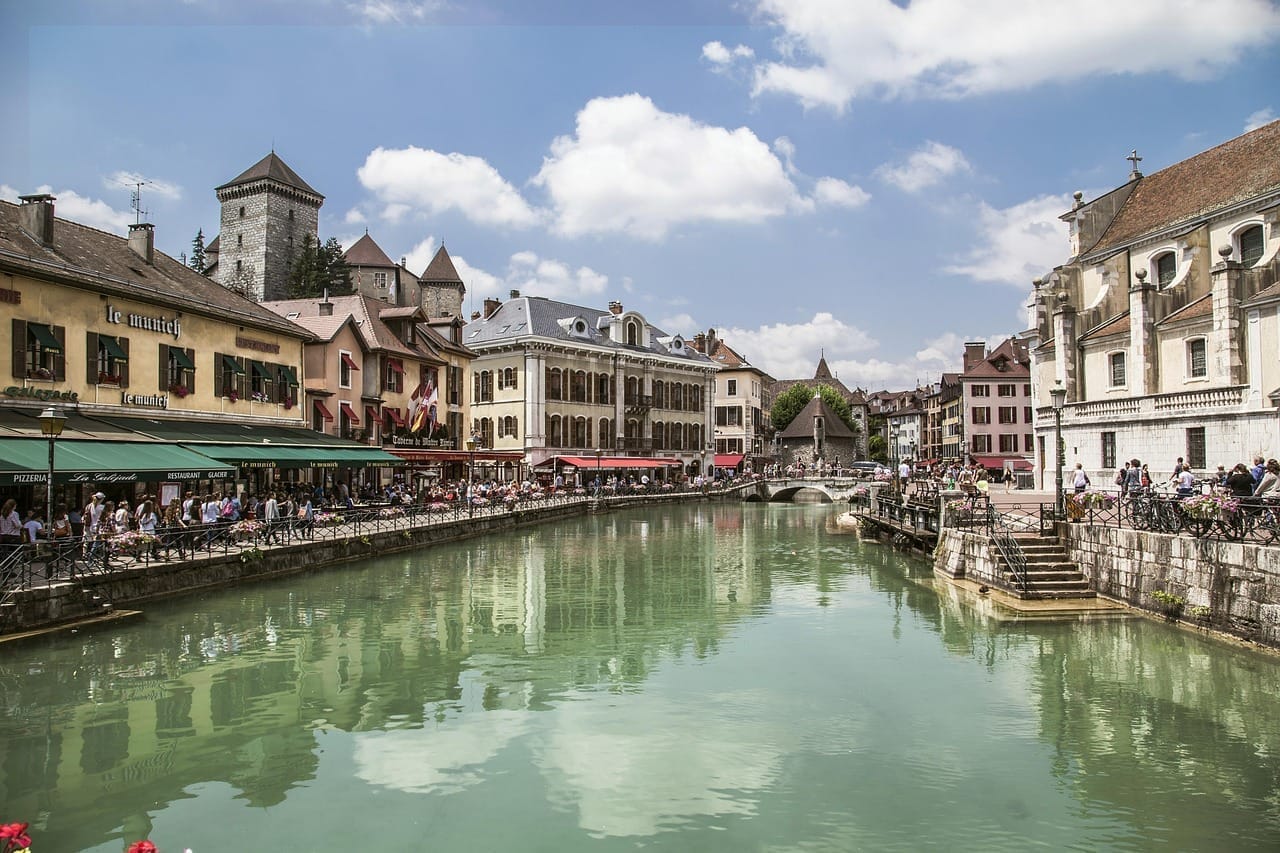
Annecy enchants expats with its stunning Alpine lake, medieval old town, spectacular mountain backdrop, outdoor activities, and exceptional quality of life in the Haute-Savoie region. This picturesque town offers the perfect blend of natural beauty, French culture, and four-season recreation.
Why Expats Love It: Annecy boasts a crystal-clear lake surrounded by mountains, creating breathtaking scenery. The old town's canals, flower-lined bridges, and pastel buildings earn it the nickname "Venice of the Alps." Year-round outdoor activities include swimming and water sports in the summer, hiking and cycling in the spring/fall, and skiing at nearby resorts in the winter. The air quality is excellent, and the environment is pristine. The town maintains a manageable size while offering a range of good services, restaurants, and cultural events. Proximity to Geneva (30 minutes) and Switzerland provides international airport access and cross-border opportunities. The quality of life consistently ranks among the highest in France.
Cost of Living: High. One-bedroom apartments in Annecy cost €900-€1,400, with somewhat lower prices in surrounding towns. Dining ranges from €15 to €22 at casual restaurants to €35 to €55 at upscale establishments. Groceries are expensive, reflecting the region's prosperity. Ski passes and mountain activities add costs. Budget €2,200-€3,200 monthly, excluding rent. The premium reflects the exceptional setting and lifestyle.
Lifestyle & Activities: Outdoor activities dominate the lifestyle, including cycling around the lake, swimming in the summer, hiking mountain trails, skiing at nearby resorts, and engaging in water sports. The weekly market offers local cheeses, charcuterie, and produce. Festivals like the International Animated Film Festival draw international attention. The old town provides a romantic setting for dining and shopping. Day trips take you to Chamonix-Mont Blanc, Geneva, Lyon, and numerous Alpine villages. The pace is relaxed despite tourism. Winters are cold and snowy; summers are warm and busy.
Expat Community: International mix including Swiss workers, British and American expats, and professionals in cross-border employment. English is moderately common due to proximity to Geneva, but French is essential for integration. The community is active, with a strong presence of outdoor enthusiasts and families.
Practical Info: Geneva Airport is 35 minutes away, offering extensive international connections. The bus system is sound, although many prefer cars for mountain access. Excellent internet infrastructure. Cross-border workers benefit from Swiss salaries while living in France. The region is prosperous with higher costs. Tourism peaks in summer; winter offers skiing crowds.
Best suited for: Outdoor enthusiasts and skiers, families seeking a high-quality environment, mountain lovers, water sports enthusiasts, professionals working in the Geneva area, expats seeking pristine natural beauty with a French cultural influence, and individuals looking for year-round recreation.
Montpellier

Montpellier offers a Mediterranean climate, a university energy, historic architecture, a modern tram system, and proximity to beaches in southern France's Languedoc region. This dynamic city attracts younger expats with its blend of old and new, cultural vitality, and lower costs than the Riviera.
Why Expats Love It: Montpellier combines sunny Mediterranean weather (with over 300 days of sunshine annually) with youthful energy from France's fastest-growing major city and its large student population. The medieval center features pedestrian streets, elegant hôtels particuliers (mansions), and Place de la Comédie. Modern architecture, exemplified by the Antigone district, demonstrates progressive planning. Mediterranean beaches are 15 minutes away. The cultural scene includes museums, festivals, concerts, and vibrant nightlife. The cost of living is significantly lower than in Nice or Cannes, while offering a similar climate. The location enables trips to Provence, the Spanish border, and the Camargue wetlands.
Cost of Living: Moderate. One-bedroom apartments in the center cost €700-€1,100, with options outside from €600-€850. Dining ranges from €12 to €18 at casual spots to €25 to €40 at upscale establishments. Groceries are reasonable. The tram system is excellent and affordable. Budget €1,800-€2,500 monthly, excluding rent, for comfortable living—good value for Mediterranean climate.
Lifestyle & Activities: Daily life blends student energy with a Mediterranean pace—encompassing markets, outdoor cafés, beach trips, and cultural events. The food scene emphasizes fresh produce, seafood, and southern French cuisine. The nightlife is active with bars, clubs, and live music catering to students and young professionals. Weekend trips explore Provence lavender fields, Pont du Gard Roman aqueduct, Nîmes, and coastal towns. The beach suburb of Palavas-les-Flots offers easy access to the ocean. The pace is relaxed yet energetic.
Expat Community: Growing with younger demographics—students, digital nomads, young professionals, and families. Less established than major expat destinations but increasingly organized. English is spoken among students and in international contexts, but French is necessary for integration.
Practical Info: Montpellier-Méditerranée Airport offers European flights and some international connections. The excellent tram network makes cars optional. TGV trains reach Paris in 3 hours and 30 minutes. Good internet infrastructure. English is less common than in tourist destinations; French is essential. The climate is hot in summer (30-35°C/86-95°F) but mild in winter.
Best for: Students and young professionals, sun seekers on a budget, beach lovers, digital nomads, families seeking a Mediterranean lifestyle with lower costs, and those looking for a vibrant, youthful city with excellent weather.
Aix-en-Provence
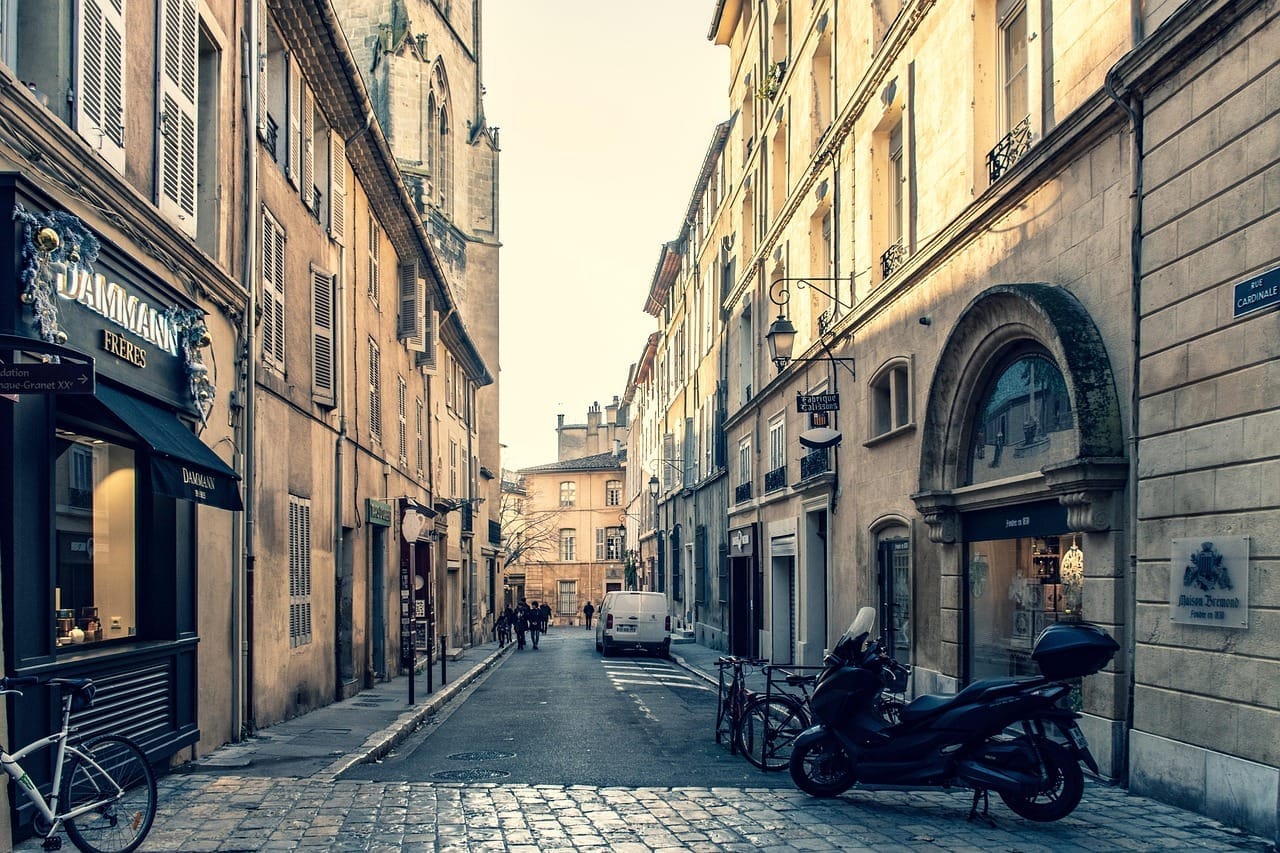
Aix-en-Provence embodies Provençal charm with its elegant boulevards, numerous fountains, vibrant markets, rich artistic heritage, and sophisticated atmosphere in the southern French region of Provence. This beautiful city attracts expats seeking a classic French lifestyle with sunshine and culture.
Why Expats Love It: Aix offers a quintessential Provence experience—plane tree-lined Cours Mirabeau boulevard, daily markets with lavender and local products, elegant architecture in honey-colored stone, and artistic legacy (Cézanne's hometown). The climate is Mediterranean, with over 300 sunny days per year. The city maintains a refined character, boasting excellent restaurants, wine bars, cultural festivals, and an opera. Vineyards, lavender fields, and picturesque hilltop villages characterize the surrounding countryside. Marseille is 30 minutes away for urban energy and an international airport. The university brings vitality without overwhelming the elegant atmosphere.
Cost of Living: High. One-bedroom apartments in the center cost €900-€1,400, with lower prices in outer areas, ranging from €700-€1,000. Dining ranges from €15 to €22 at bistros to €35 to €60 at upscale establishments. Markets offer good value for fresh produce; however, overall costs are still significant. Budget €2,200-€3,000 monthly, excluding rent. The Provençal lifestyle commands premium prices.
Lifestyle & Activities: Daily life revolves around markets, café culture, and enjoying Provençal beauty. The food scene in the region highlights regional specialties, including bouillabaisse, ratatouille, rosé wine, and locally produced olive oil. Cultural events include opera, classical music festivals, and art exhibitions. Day trips explore Luberon villages like Gordes and Roussillon, the Verdon Gorge, lavender fields (June to July), and the coastal Calanques of Cassis. The pace is relaxed with emphasis on quality of life. Summers are hot and popular; winters are mild and quiet.
Expat Community: Well-established, particularly American and British expats attracted by the Provençal dream. The university brings international students. English-language resources exist, but French is essential for authentic integration. The community is cultured and sophisticated.
Practical Information: Marseille-Provence Airport is 30 minutes away. The local bus system is reliable, although many prefer to use cars for exploring Provence. The TGV station connects to Paris and other major cities. Good internet infrastructure. English is moderately spoken in tourist contexts, but French is necessary. The city can feel crowded in tourist season; parking is challenging and expensive.
Best For: Francophiles and lovers of Provence, retirees seeking a refined lifestyle, artists and creatives, wine enthusiasts, foodies, those seeking a classic French experience with excellent weather, and individuals drawn to markets, villages, and lavender fields.
Toulouse

Toulouse, "La Ville Rose" (the Pink City), offers a vibrant lifestyle as France's aerospace capital, characterized by its distinctive terracotta architecture, lively student population, excellent food scene, and affordable living in southwestern France. This dynamic city attracts expatriates seeking career opportunities within an authentic French cultural context.
Why Expats Love It: Toulouse combines aerospace industry opportunities (Airbus headquarters) with a rich history, beautiful pink-brick architecture, a lively atmosphere, and an excellent quality of life. The city maintains an authentic southwestern French character, largely unaffected by heavy tourism. The food scene emphasizes cassoulet, duck confit, and regional specialties. The Garonne River provides scenic walks. The Canal du Midi (UNESCO site) offers cycling and boating. The university and aerospace sectors contribute to a diverse and educated population. The cost of living is significantly lower than in Paris or southern coastal areas, while offering excellent amenities.
Cost of Living: Moderate. One-bedroom apartments in central areas cost €700-€1,100, suburban options €550-€850. Dining ranges from €12 to €18 at local spots to €25 to €40 at upscale establishments. Groceries are reasonable. Good public transport is affordable. Budget €1,700-€2,400 monthly, excluding rent, for comfortable living—excellent value for a major French city.
Lifestyle & Activities: Daily life blends student energy with southwestern charm, featuring markets, rugby matches (a major local passion), riverside walks, and cultural events. The nightlife is active with bars, clubs, and live music. The aerospace theme is visible in museums and facilities. Day trips include the Pyrenees mountains, Albi's Toulouse-Lautrec museum, Carcassonne's medieval citadel, and the wine regions. The pace is more relaxed than in Paris, with emphasis on quality of life. The climate is mild with hot summers.
Expat Community: Growing with aerospace professionals, students, and those seeking affordable French living. International schools exist for families. English is spoken in the aerospace sector and among students, but French is essential for daily life. It has a less established expat infrastructure than major tourist destinations.
Practical Information: Toulouse-Blagnac Airport offers flights to both domestic and European destinations. Good metro and tram system. TGV trains connect to major cities in France. Excellent internet infrastructure. English is less common outside the aerospace sector; French is necessary. The city is authentically French with limited tourism.
Best Suited For: Aerospace professionals and engineers, students, families seeking affordability, rugby fans, those seeking an authentic French experience, budget-conscious expats, and individuals seeking a high quality of life in a major city without the costs of Paris.
Brittany (Rennes, Saint-Malo Area)
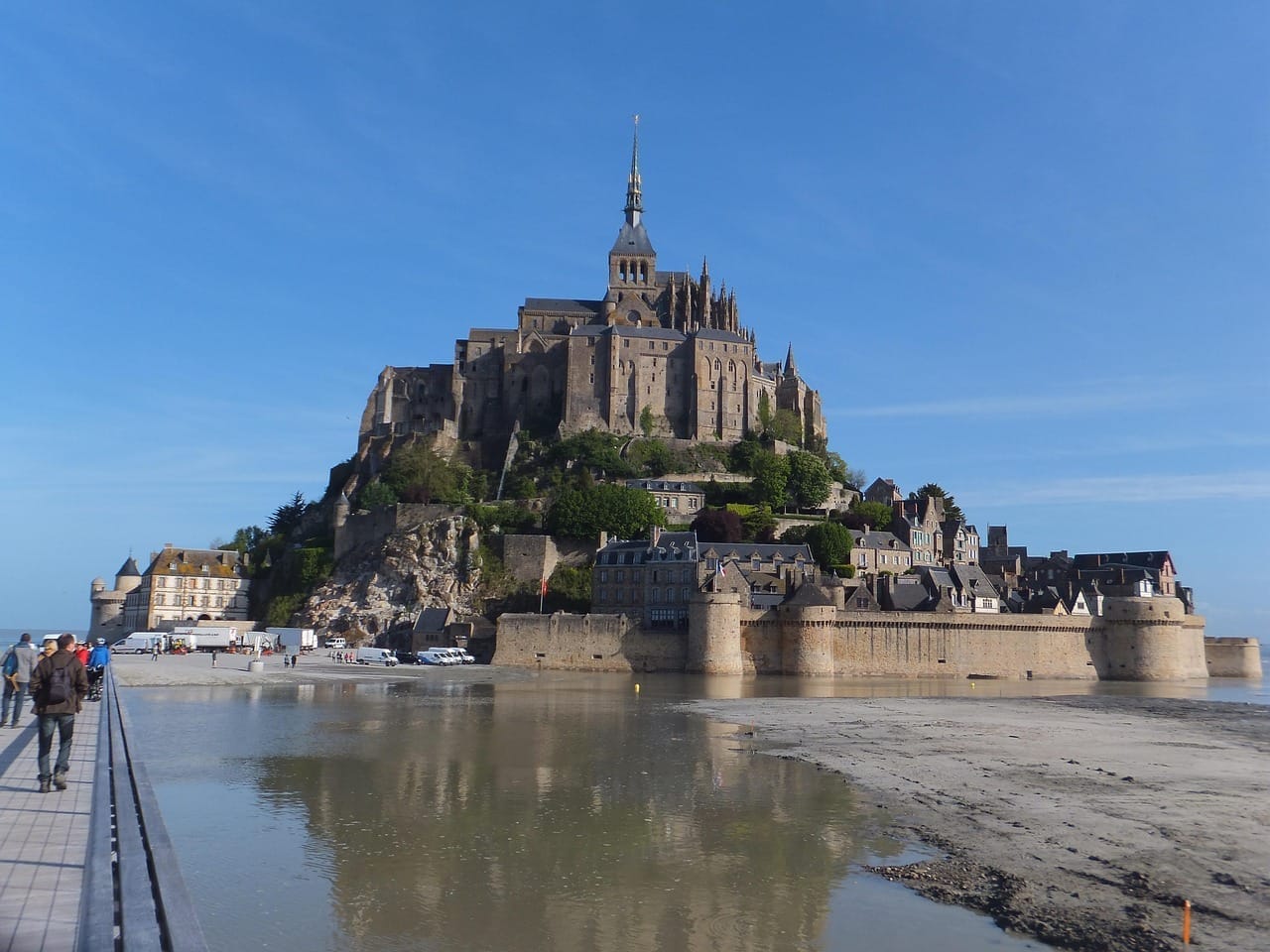
Brittany offers Celtic character, dramatic coastlines, medieval towns, excellent seafood, and a distinct cultural identity in northwestern France. Rennes offers urban amenities, while coastal towns like Saint-Malo provide seaside charm, attracting expats seeking an authentic French experience with a maritime character.
Why Expats Love It: Brittany maintains a unique identity with Celtic heritage, distinctive architecture, cidre (cider) and crêpes culture, and spectacular Atlantic coastline with dramatic cliffs, sandy beaches, and historic port towns. Rennes offers a range of cultural attractions, universities, and services as the regional capital. Saint-Malo boasts a walled city, stunning beaches, and a vibrant maritime atmosphere. The region is less touristy than southern France, offering authentic French living experiences. Cost of living is moderate to low. The seafood—oysters, mussels, lobster—is exceptional. The landscape of granite villages, coastal paths, and green countryside appeals to nature lovers.
Cost of Living: Moderate to affordable. One-bedroom apartments in Rennes cost between €600 and €900, while those in coastal towns cost between €500 and €850, depending on the location and season. Dining ranges from €10 to €15 at crêperies to €20 to €35 at restaurants. Groceries are reasonable with excellent local markets. Budget: €1,500-€2,200 monthly, excluding rent, for comfortable living.
Lifestyle & Activities: Life emphasizes outdoor activities—coastal walks, sailing, hiking, and spending time on the beach. The food culture centers on crêpes, galettes, seafood, and cidre. Markets offer local products, and the region is renowned for its artisanal culture. Celtic festivals celebrate Breton music and traditions. Day trips explore Mont-Saint-Michel, the medieval town of Dinan, the Pink Granite Coast, and fishing villages. The pace is relaxed with emphasis on nature and tradition. The climate is oceanic, characterized by moderate temperatures and frequent rainfall; it is advisable to bring waterproof clothing.
Expat Community: Moderate, primarily British expats attracted by ferry connections to the UK and lower property prices. Some Americans and other Europeans. English is less common than in southern France; French is essential. The community is more scattered across towns and the countryside.
Practical Information: Rennes and Brest have regional airports; Paris is approximately 2 hours away by TGV. Ferry services connect Saint-Malo to the UK, Channel Islands, and England. Internet infrastructure is adequate with fiber optic in cities and larger towns. English limited; French necessary. The weather is wet and grey—prepare for regular rain. Cars are essential for exploring the region.
Best For: Nature lovers and coastal enthusiasts, British expats seeking ferry access to the UK, budget-conscious expats, sailing and water sports enthusiasts, those seeking authentic French culture, seafood lovers, and people who don't mind grey, rainy weather.
Dordogne (Périgord Region)
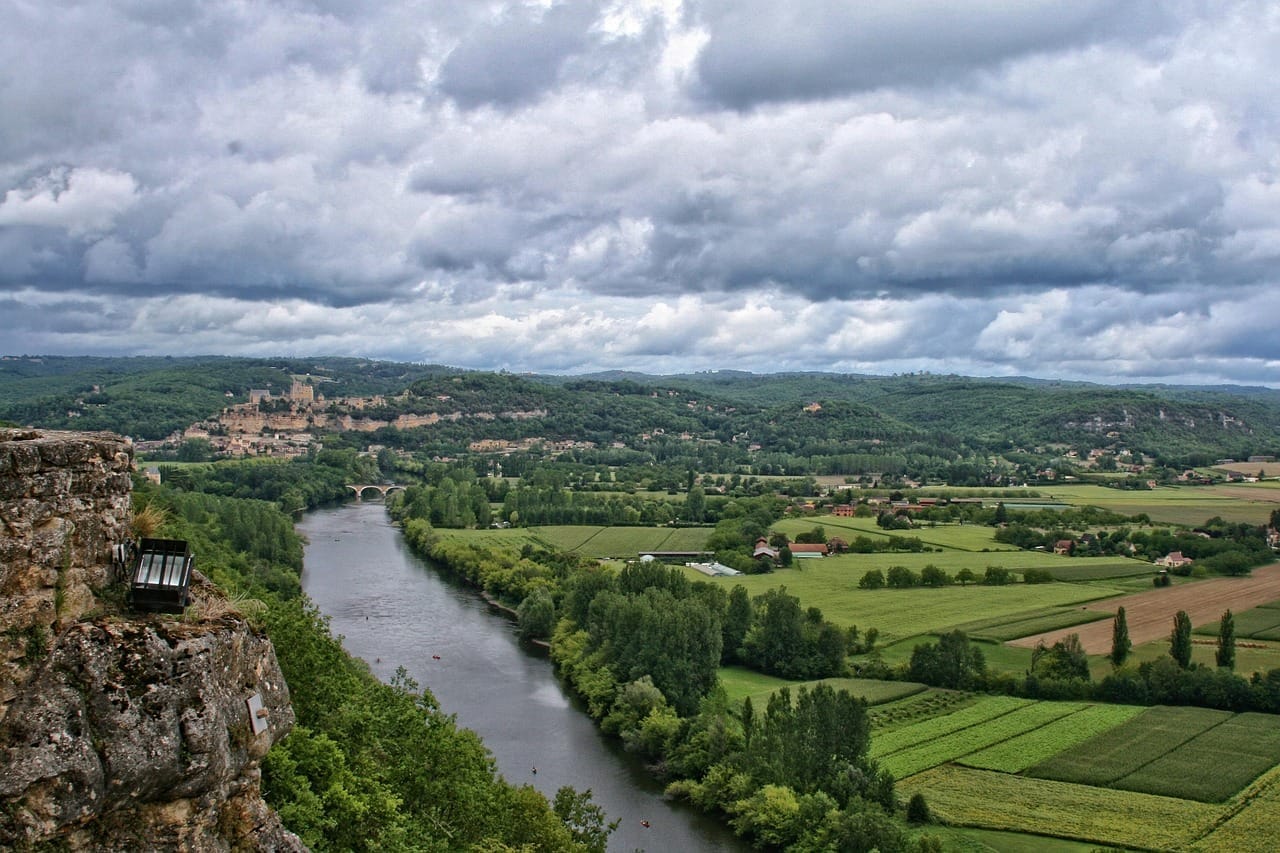
The Dordogne offers quintessential French countryside living with medieval castles, prehistoric caves, picturesque villages, gastronomic treasures, and affordable property in southwestern France's Périgord region. This rural paradise attracts expats seeking peaceful, authentic French life surrounded by beauty and history.
Why Expats Love It: The Dordogne delivers storybook France—medieval villages like Sarlat-la-Canéda, hilltop bastides, limestone cliffs, the meandering Dordogne River, countless châteaux, and the prehistoric paintings of Lascaux caves. The gastronomy is legendary, featuring foie gras, truffles, duck, walnuts, and wines. Property prices are remarkably affordable, with beautiful stone houses and farmhouses available for renovation. The pace is supremely slow and rural with emphasis on nature, history, and quality of life. The expat community offers support while the area retains its authentic French character. The climate is mild with four distinct seasons.
Cost of Living: Very affordable. Rentals range from €500 to €900 per month for houses, with prices often lower for rural properties. Dining at local restaurants costs between €12 and €18 per person. Groceries emphasize local markets with excellent value. Budget €1,400-€2,000 per month, excluding rent, for comfortable living. Property purchase prices enable the French countryside dream at affordable costs.
Lifestyle & Activities: Life revolves around markets, exploring villages, château visits, and enjoying the countryside. Canoeing on the Dordogne River, hiking, cycling through valleys, and visiting medieval sites fill time. The food culture is central to market shopping, traditional cooking, and wine appreciation. Cultural events, village festivals, and the seasons of walnut/truffle harvesting mark the calendar. Day trips take you to Bordeaux, the cliff village of Rocamadour, and numerous picturesque towns. The pace is decidedly rural and slow. Social life centers on small community interactions.
Expat Community: Well-established, predominantly British expats who've purchased properties, plus Dutch, Belgian, and American residents. The community provides support networks and English-language resources. However, French is essential for integration with locals and daily life. The area is genuinely rural, requiring residents to be self-sufficient.
Practical Information: Bergerac and Brive-la-Gaillarde have small airports with limited flight options; Bordeaux (2 hours) and Toulouse offer better connections. Cars are essential, and public transport is minimal. Internet infrastructure varies significantly: fiber optic in larger towns, while DSL or spotty service is available in rural areas. Research is vital before committing. English is rare; French is necessary. The lifestyle requires embracing rural limitations and French bureaucracy.
Best For: Retirees seeking a peaceful countryside, property buyers and renovators, history and archaeology enthusiasts, foodies and wine lovers, those seeking an affordable French dream, nature lovers, and individuals embracing rural, slow-paced living with self-sufficiency.
Quick Comparison Table
City/Region
Cost of Living
Best For
Climate
Paris
Very High
Culture lovers, professionals, foodies
Cool, rainy winters
Nice
High
Sun seekers, retirees, beach lovers
Mediterranean, 300+ sunny days
Lyon
Moderate
Foodies, professionals, families
Moderate, four seasons
Bordeaux
Moderate-High
Wine lovers, professionals, beach access
Mild oceanic, moderate rain
Annecy
High
Outdoor enthusiasts, families, skiers
Alpine, cold winters
Montpellier
Moderate
Students, young professionals, budget
sun Mediterranean, hot summers
Aix-en-Provence
High
Provence lovers, retirees, culture seekers
Mediterranean, lavender country
Toulouse
Moderate
Aerospace workers, students, affordability
Mild, hot summers
Brittany
Moderate
Nature lovers, British expats, sailors
Oceanic, rainy, cool
Dordogne
Low
Countryside seekers, property buyers, history
Moderate, four seasons
Frequently Asked Questions
What is the cheapest expat destination in France?
The Dordogne region and rural areas in central France offer the lowest living costs, with comfortable monthly budgets possible from €1,400 to €2,000, including rent for countryside properties. The Dordogne combines affordability with beauty, gastronomy, and an established expat community, making it ideal for countryside living. Smaller cities in less touristy regions, such as Brittany, parts of Auvergne, and Limousin, also offer excellent value for money. However, rural living requires proficiency in the French language, owning a car, and adapting to limited services. For cities, Toulouse and Montpellier offer the best value, combining amenities, culture, and lower costs than Paris or the Riviera.
Where do most expats live in France?
Paris and the Île-de-France region host the largest expatriate population, primarily due to job opportunities, international schools, and global connections. The French Riviera (including Nice, Cannes, and the Monaco area) has the second-largest concentration, particularly of British and Russian expats, attracted by the Mediterranean climate and lifestyle. The Dordogne region attracts significant numbers of British property buyers seeking countryside living. Lyon, Bordeaux, and Toulouse host growing expat communities of professionals. Ski resort areas in the Alps (Chamonix, Méribel, Val d'Isère) have seasonal British and international populations. These areas offer established expat infrastructure, though many require solid French language skills beyond tourist interactions.
What is the best city in France for English speakers?
Paris offers the most English-friendly environment, especially in international business districts, expat neighborhoods, and among younger French people. The cosmopolitan nature and presence of international companies mean that English is commonly used in professional contexts. Nice and the French Riviera also have substantial English availability due to tourism and the presence of international residents. However, even in Paris, French is essential for bureaucracy, healthcare, and daily life outside international bubbles. France generally requires French language proficiency more than many European countries—learning French is not optional for successful integration anywhere in France. The French appreciate language effort, and speaking French dramatically improves your experience and acceptance.
Can I work remotely from France?
Yes, though France doesn't have a specific digital nomad visa yet. EU citizens can work remotely freely. Non-EU citizens typically require a suitable long-stay visa, such as the talent passport for skilled workers, an entrepreneur/freelancer visa for self-employed individuals, or a visitor visa for those with sufficient passive income and not working in France. Some remote workers establish residency elsewhere in the EU first (Portugal's digital nomad visa) before moving to France. Internet infrastructure is excellent throughout France, with fiber optic widely available in cities and most towns, supporting remote work reliably. Paris, Lyon, Bordeaux, and Montpellier have thriving coworking spaces and digital communities. Time zone (CET/CEST) works well for both the U.S. East Coast and Asian business hours.
Which city in France has the best weather?
Nice and the French Riviera enjoy France's best weather, with over 300 days of sunshine annually, hot summers (25-30°C/77-86°F), mild winters (10-15°C/50-59°F), and minimal rainfall. Montpellier and the Languedoc coast offer a similar Mediterranean climate with slightly more affordable living. Aix-en-Provence and inland Provence also enjoy excellent sunshine and warmth. Bordeaux has a mild oceanic climate, characterized by higher rainfall and warmer temperatures compared to those found in northern France. Paris and the northern regions are significantly cooler and cloudier with frequent rain and grey skies from October through March. Alpine areas like Annecy offer beautiful mountain weather, but they also experience cold, snowy winters. The dramatic climate variation across France means that choosing a location carefully, based on weather preferences, is essential.
Is France safe for expats?
France is generally safe with low violent crime rates and a stable democracy. Most expat destinations are very secure, with crime primarily involving pickpocketing and petty theft in tourist areas, such as Paris and major cities, rather than violent incidents. Rural areas and smaller towns are incredibly safe. Paris has higher property crime rates than the countryside, but remains safe with standard urban awareness. Terrorist incidents have occurred in France, as in other European countries, but the risk remains statistically low. The comprehensive healthcare system, excellent emergency services, and strong rule of law provide a sense of security. Political protests occasionally occur, but they rarely have a direct impact on expatriates. Standard precautions, such as securing homes, being vigilant in crowded areas, and avoiding conspicuous displays of wealth, help ensure safety. Most expats report feeling very secure in France.
The French Lifestyle

France offers exceptional expat destinations to suit every preference, from Paris's unmatched cultural sophistication to Nice's Mediterranean sunshine, Lyon's gastronomic excellence, Annecy's Alpine beauty, and Dordogne's countryside charm, as well as Bordeaux's wine culture. Whether you're drawn to cosmopolitan cities, sunny coasts, mountain retreats, or peaceful villages, you'll find a place where French art de vivre—the art of living well—becomes your daily reality.
The key to French success is aligning your priorities with the correct location and committing to learning the language. Sun seekers thrive on the French Riviera or in Montpellier. Culture enthusiasts find endless inspiration in Paris or Lyon. Outdoor lovers discover paradise in Annecy or Brittany. Budget-conscious expats and property seekers realize their French dream in Dordogne or Toulouse. Foodies and wine lovers find heaven throughout France, but especially in Lyon, Bordeaux, and Aix-en-Provence. Each destination delivers the fundamental French qualities that attract expats: world-class cuisine, excellent healthcare, rich culture, beautiful landscapes, and a sophisticated lifestyle.
Ready to embark on your French adventure? Our Moving to France Masterclass is a comprehensive online course covering everything from visa applications and finding housing to opening bank accounts, navigating healthcare, understanding cultural differences, and building your new life. Learn from expats who've successfully made the move and avoid common mistakes that can cost time and money. Whether you're retiring, working remotely, or seeking adventure, this course provides the roadmap you need for a smooth transition to your new home in France. Your French life awaits—bienvenue en France!
Global Citizen Life
© 2023 Global Citizen Life
All rights reserved