
Five Weekend Getaways from Asunción That Changed My Mind About Paraguay
When I first arrived in Asunción three years ago, I'll admit my expectations were measured. Paraguay wasn't exactly on the typical expat radar, and most people I told about my move gave me blank stares or confused questions. But after settling into life here and venturing beyond the capital, I discovered something that completely shifted my perspective: Paraguay's weekend escape options are spectacular, affordable, and remarkably uncrowded.
These aren't the polished, tourist-packed destinations you'll find elsewhere in South America. Instead, they're authentic experiences that give you genuine insight into Paraguayan culture, history, and natural beauty. Here are five weekend getaways that transformed my understanding of this country.
1. Encarnación: Paraguay's Beach Town Surprise
Distance from Asunción: 370 km (4.5 hours by car)
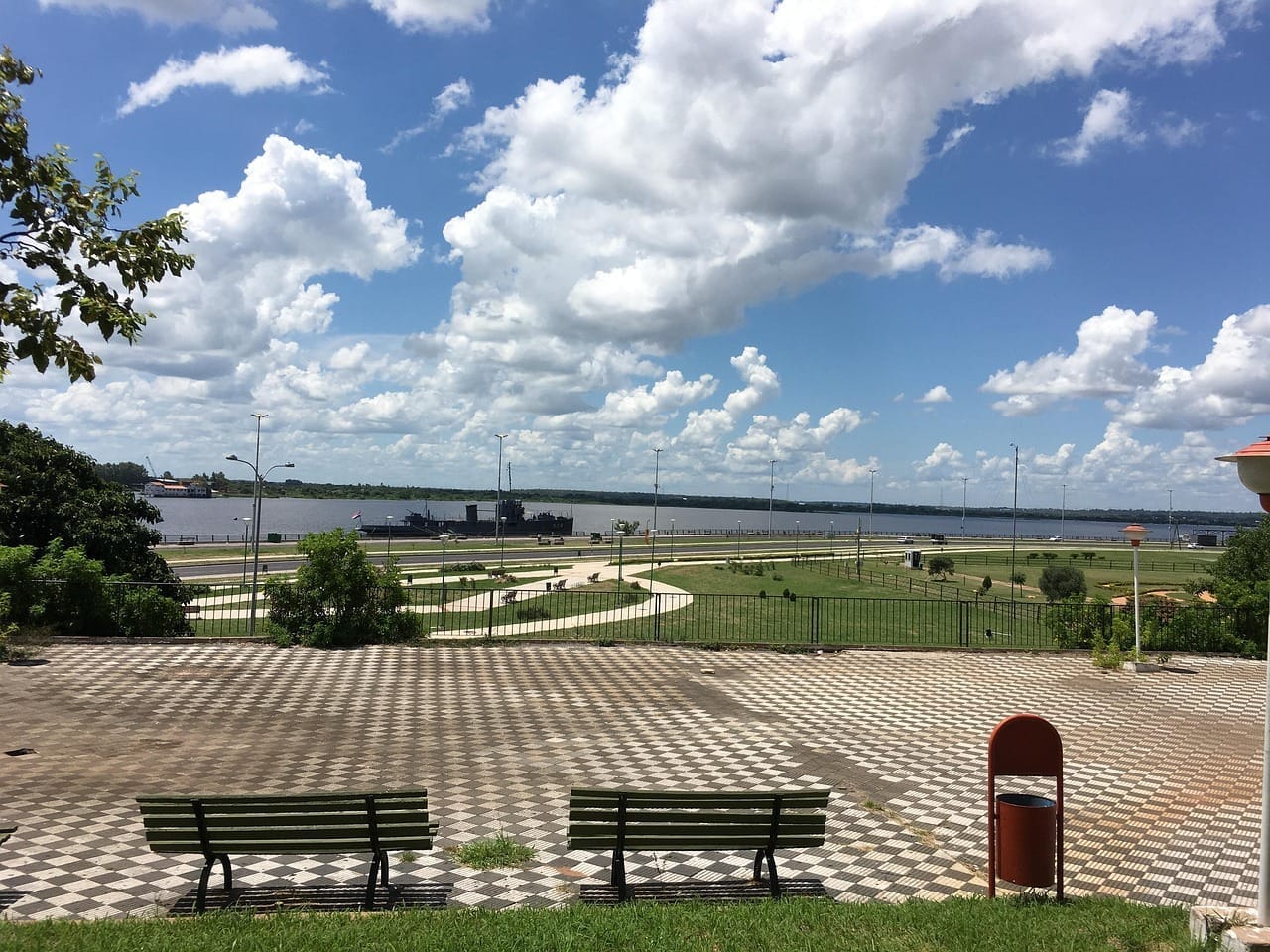
I wasn't expecting to find beach culture in a landlocked country, but Encarnación proved me wrong. Sitting along the Paraná River across from Posadas, Argentina, this city has become one of Paraguay's most appealing destinations. The riverfront Costanera is easily one of the most impressive waterfront developments I've seen anywhere in South America, with wide walking paths, modern sculptures, and yes, actual beaches with sand.
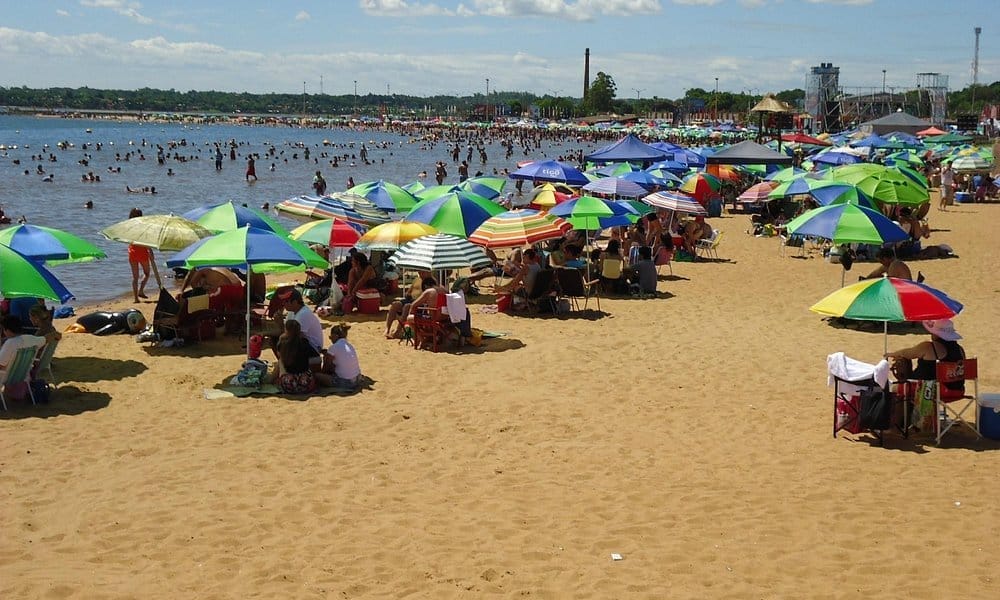
During summer (December through February), the beaches come alive. Locals set up colorful umbrellas, vendors sell chipa and terere, and you can rent jet skis or paddleboards. The water temperature hovers around 26-28°C (79-82°F), making it genuinely pleasant for swimming. The atmosphere is relaxed and family-friendly, nothing like the aggressive beach scene you might encounter in Rio or Cartagena.
What to Do
Beyond the beaches, Encarnación offers easy access to the Jesuit Ruins of Jesús and Trinidad (more on that below). The city itself has a pleasant downtown with surprisingly good restaurants, particularly along Calle Estigarribia. I recommend trying the surubí, a local river fish that's become a regional specialty.
Don't miss the San José Beach during sunset. The way the light hits the Paraná River creates spectacular photo opportunities, and there's usually live music from local musicians, who set up informal performances.
Practical Details
Getting There: Several bus companies run direct routes from Asunción's main terminal. NSA and Rysa are reliable options. Expect to pay around $22-33 USD for a comfortable ejecutivo seat. Driving takes about 4.5 hours via Route 1.
Where to Stay: Hotel de la Costa offers excellent value at $88-110 USD per night with river views. For something more upscale, Hotel Papillon has modern rooms starting at $143 USD. Budget travelers can find decent options near the terminal for $44-55 USD.
Weekend Budget: Expect to spend $275-440 USD for two people, including transport, accommodation, meals, and activities. This isn't backpacker pricing, but it's comfortable and authentic.
2. Ybycuí National Park: Cloud Forest Magic
Distance from Asunción: 150 km (2.5 hours by car)
This was the weekend getaway that fundamentally changed how I saw Paraguay. I'd been living in Asunción for six months, enjoying the city but starting to feel a bit landlocked and restless. A friend insisted I visit Ybycuí, and I'm grateful I listened.
The park protects one of Paraguay's last remaining Atlantic Forest ecosystems, a cloud forest environment that feels completely different from the surrounding landscape. Within minutes of entering, the temperature drops several degrees, the air becomes noticeably humid, and you're surrounded by dense vegetation that seems impossibly green.
The Hiking Experience
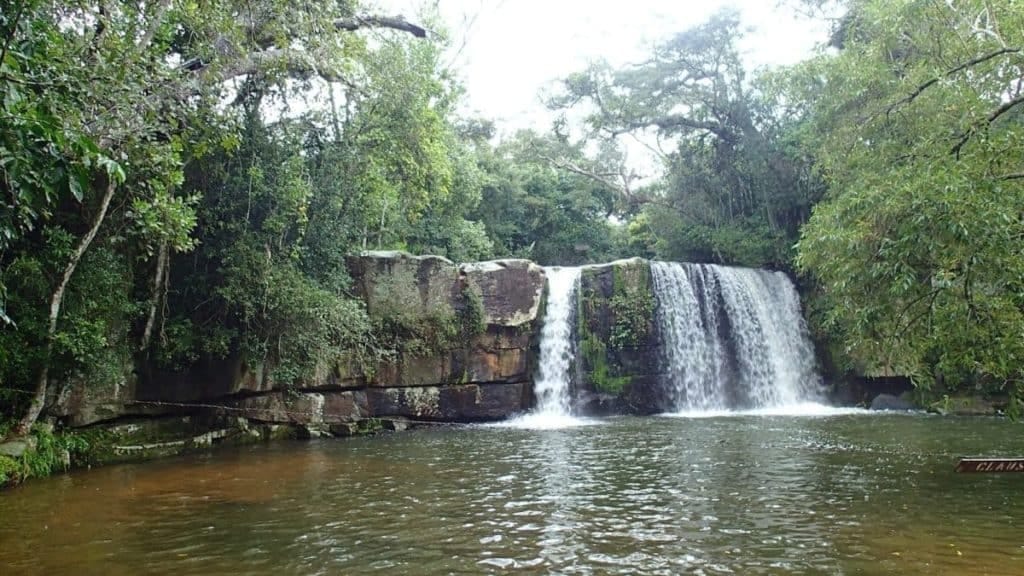
The main trail leads to Salto Mina, a 40-meter waterfall that's especially impressive during the rainy season (October through March). The hike is moderately challenging, nothing too technical, but proper hiking shoes are essential as the trail gets muddy. The entire loop takes about 3-4 hours at a comfortable pace with plenty of photo stops.
What surprised me most was the biodiversity. I'm no naturalist, but even I could appreciate the variety of bird species, butterflies, and unique plant life. The park is home to over 230 bird species, and if you're patient and quiet, you'll spot several during a morning hike.
The ruins of the old La Rosada iron foundry, dating back to 1850, add a fascinating historical dimension. These crumbling stone structures covered in vines create an almost mystical atmosphere, especially in the morning mist.
Practical Details
Getting There: This is one destination where having a car makes a significant difference. Public transport is limited and inconvenient. If you don't have a car, consider hiring a driver in Asunción for the day (expect to pay $110-143 USD, including waiting time). The drive takes you through typical Paraguayan countryside, small towns, and rolling hills.
Where to Stay: Accommodation options near the park are limited. Most visitors do this as a day trip from Asunción, which is perfectly feasible. However, if you want to stay overnight, there are basic cabañas in Ybycuí town starting at $33-44 USD per night.
Park Entry: Foreigners pay approximately $5.50 USD entrance fee. The park is open daily from 7:00 AM to 5:00 PM. Arrive early for the best wildlife viewing and to avoid the afternoon heat.
What to Bring: Insect repellent is non-negotiable. Bring plenty of water, snacks, a rain jacket, and a waterproof bag for electronics, regardless of the forecast. The humidity can be intense.
3. Lake Ypacaraí: Paraguay's Weekend Playground
Distance from Asunción: 25 km (40 minutes by car)
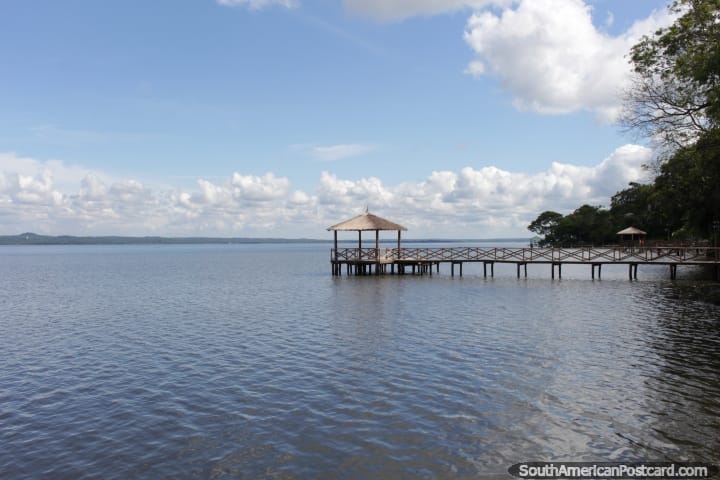
When Asuncenos want a quick escape, they head to Ypacaraí. This isn't a pristine mountain lake or a hidden gem; it's a well-established weekend destination that's popular precisely because it works. The lake spans about 90 square kilometers and is surrounded by several towns, each with its own character.
What makes Ypacaraí special is its accessibility and variety. You can visit the same lake system, but have completely different experiences depending on which town you choose as your base. The entire area has a relaxed, almost nostalgic feel, like a South American lake district from an earlier era.
Exploring the Lake Towns
Areguá: This is my favorite town around the lake. Known for its artisan community, Areguá has numerous pottery studios and craft workshops. The cobblestone streets and colonial architecture give it genuine charm. The lakefront has restaurants with outdoor seating where you can spend an afternoon over terere and empanadas while watching boats drift by.
San Bernardino: This is the action hub, especially during the summer. More developed than Areguá, San Bernardino has hotels, restaurants, and water sports operators. It's busier and more commercial, but that energy can be exactly what you want on a hot weekend. The German influence is still visible in architecture and some restaurant menus, a legacy of late 19th-century immigration.
Ypacaraí Town: The namesake town is quieter than San Bernardino but more developed than Areguá. It strikes a nice middle ground and tends to attract local families rather than party crowds.
Activities and Atmosphere
Water sports are the main attraction: kayaking, paddleboarding, and jet skiing are all available. Rental prices are reasonable, around $22-33 USD per hour for jet skis, less for non-motorized options. The lake isn't huge, but it's large enough for a pleasant afternoon on the water.
The restaurant scene around the lake has improved significantly. Several establishments offer grilled meats, fresh fish, and international options. Prices are slightly higher than in Asunción but still very reasonable by international standards. Expect to pay $22-33 USD per person for a good meal with drinks.
Practical Details
Getting There: Frequent buses run from Asunción to all lake towns. Línea 111 serves Areguá, and several companies go to San Bernardino. Fares are around $2.20-3.30 USD. Driving is straightforward via Route 2.
Where to Stay: San Bernardino has the most hotel options, from budget hostels at $33-44 USD per night to comfortable hotels at $88-143 USD. Many Asuncenos own vacation homes here and rent them out, which can be economical for groups.
Best Time to Visit: The lake is enjoyable year-round, but it's most alive during summer (December-February) when the weather is hot, and the water is warm. Winter (June-August) is quieter but pleasant, with temperatures around 15-20°C (59-68°F).
4. San Bernardino: More Than Just Lake Access
Distance from Asunción: 48 km (1 hour by car)
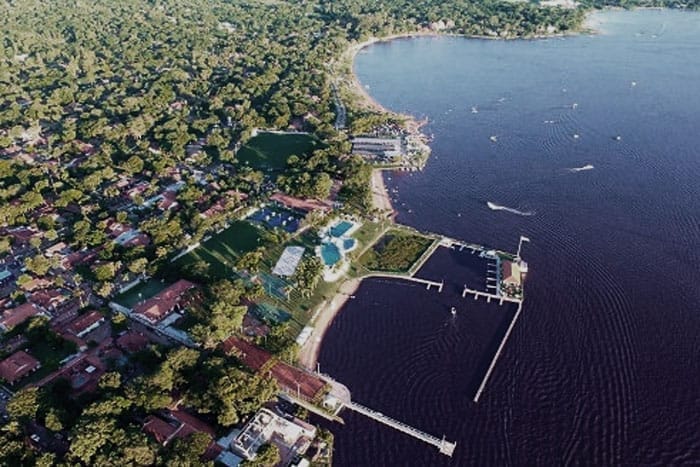
I'm giving San Bernardino its own section because while it's on Lake Ypacaraí, the town itself deserves dedicated attention. Founded by German immigrants in the 1880s, San Bernardino retains a distinct European flavor that sets it apart from other Paraguayan towns.
This is Paraguay's original resort town, and it knows what it's doing. The infrastructure is better developed than most weekend destinations, with proper sidewalks, signage, and tourist services. It's not fancy by international standards, but it's polished by Paraguayan standards.
Why San Bernardino Works
The town strikes an interesting balance between convenience and authenticity. You have modern amenities, good restaurants, and reliable accommodations, but it's still distinctly Paraguayan in character. During summer weekends, the town fills with middle and upper-class families from Asunción, creating a lively but not overwhelming atmosphere.
The lakefront promenade is the social center, especially in the evening, when families stroll, couples walk hand in hand, and food vendors set up stalls selling everything from grilled sausages to fresh fruit. There's a pleasant rhythm to the place, a sense that people come here to genuinely relax rather than check items off a tourist list.
Beyond the Beach
Several hiking trails branch off from town into the surrounding hills. These aren't dramatic mountain treks, but they offer pleasant forest walks with occasional viewpoints over the lake. The trails are generally well-marked, and you don't need special equipment.
The restaurant scene has evolved significantly in recent years. You'll find everything from traditional Paraguayan food to pizza, sushi, and international cuisine. La Misión del Lago is my go-to for reliable food with lake views. Expect to pay $22-33 USD per person for dinner.
Practical Details
Getting There: Multiple bus lines run frequently from Asunción's terminal. The journey takes about 90 minutes and costs approximately $2.20-3.30 USD. Driving is straightforward via Route 2, taking about an hour.
Where to Stay: Hotel del Lago is the classic choice, offering lakefront rooms starting at $110-143 USD per night. Hotel Resort Yacht y Golf
Club Paraguayo is more upscale at $165-220 USD. Budget options exist starting around $44-55 USD, though quality varies significantly.
Weekend Budget: A comfortable weekend for two people runs $330-550 USD, including accommodation, meals, activities, and transport. This provides good quality without luxury pricing.
5. The Jesuit Ruins of Trinidad: UNESCO World Heritage in Paraguay
Distance from Asunción: 360 km (4.5 hours by car, typically combined with Encarnación)
This is the destination that shifted my understanding of Paraguay's historical significance. Before visiting, I knew in abstract terms about the Jesuit Missions, the unique social experiment that created prosperous indigenous communities in the 17th and 18th centuries. But standing among the ruins of Trinidad de Paraná and nearby Jesús de Tavarangue brought that history to life in a way no book could.
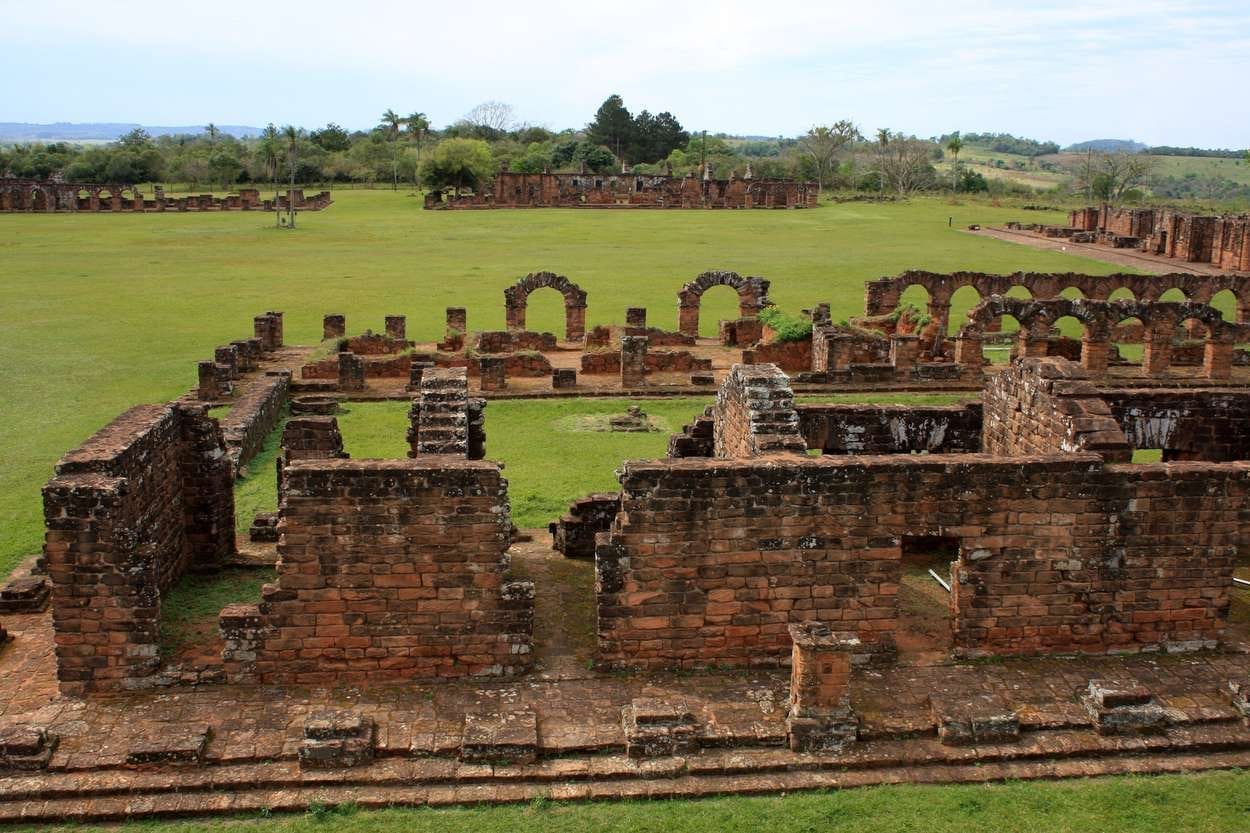
Trinidad was one of the largest and most sophisticated of the Jesuit reductions, at its peak housing over 4,000 indigenous Guaraní people. The complexity and scale of what remains today, three centuries after the Jesuits were expelled, is genuinely impressive. This isn't just a collection of old stones; it's the remains of a complete, functioning town with schools, workshops, living quarters, and one of the finest churches built in South America during that era.
What You'll See
The main church dominates the site. Though roofless now, the walls still stand tall, adorned with intricate carvings that showcase the remarkable artistry of Guaraní craftsmen under Jesuit guidance. The detail in the stone friezes is extraordinary: angels, saints, geometric patterns, all carved with remarkable precision.
Walking through the ruins, you can identify different functional areas: the plaza where the community gathered, the workshops where craftsmen produced everything from musical instruments to metalwork, and the living quarters arranged in orderly rows. It requires some imagination to reconstruct the bustling community that once occupied this space, but the bones of that society are clearly visible.
The site has a small museum with artifacts recovered from excavations: tools, pottery, and religious items. The information panels are in Spanish and English, providing a good historical context. Plan to spend at least two hours here to properly appreciate the site.
Jesús de Tavarangue
Located about 10 kilometers north of Trinidad, Jesús represents an unfinished mission. Construction began in the 1680s but was halted when the Jesuits were expelled in 1767. What makes it fascinating is that you can see the construction techniques clearly, the massive stone blocks, the wooden scaffolding supports still embedded in walls, and the partially completed arches.
The church at Jesús would have been enormous had it been completed. The scale of ambition is evident in the foundations and partially raised walls. Unlike Trinidad, which shows a completed, lived-in mission, Jesús shows the construction process frozen in time.
Practical Details
Getting There: The ruins are located about 30 kilometers northeast of Encarnación. Most visitors combine this with a trip to Encarnación. You can take a local bus from Encarnación to Trinidad village ($2.20 USD), then a taxi to the ruins ($5.50-8.80 USD). Having a car is more convenient. Some Encarnación hotels offer organized tours for $33-44 USD per person.
Entry Fees: Both sites charge approximately $5.50 USD for foreigners. A combined ticket covers both ruins. The sites are open daily, but visiting in the morning or late afternoon avoids the intense midday heat.
Best Time to Visit: The ruins are impressive year-round, but visit during the dry season (May-September) if possible. The summer heat can be brutal, with temperatures exceeding 35°C (95°F), and afternoon thunderstorms are common. Golden hour photography is spectacular here.
What to Bring: Sun protection is critical, a hat, sunscreen, and sunglasses. Bring water and snacks as facilities are limited. Good walking shoes are important as the terrain is uneven.
Making These Trips Happen: Practical Advice
Having made all these trips multiple times, here's what I've learned about getting the most from Paraguay's weekend destinations:
Transportation Considerations
Paraguay's bus system is extensive and generally reliable. Long-distance buses are comfortable, with executive class offering reclining seats, air conditioning, and reasonable punctuality. However, having a car dramatically increases your flexibility, especially for places like Ybycuí where public transport is limited.
If you're considering buying a car in Paraguay, the used-car market is active, and prices are competitive. Insurance is affordable compared to rates in North America or Europe. Alternatively, rental cars are available in Asunción from around $44-66 USD per day for basic models. For longer trips, negotiating weekly rates saves money.
Accommodation Strategies
Most weekend destinations have limited hotel inventories, so booking ahead is wise, especially during Paraguayan holiday periods (Semana Santa, Christmas, New Year's, and summer weekends in January-February). Booking.com has reasonable coverage, though calling hotels directly sometimes yields better rates, particularly for longer stays.
Many Paraguayan families rent vacation homes for weekend trips. If you're traveling with a group or planning extended stays, the selection is smaller than in major tourist destinations.
Language and Communication
English proficiency is limited outside Asunción. Basic Spanish is extremely helpful for these trips, though Paraguayans are patient and welcoming with foreigners who make an effort. In smaller towns and rural areas, many locals speak Guaraní as their primary language, switching to Spanish when needed.
Download offline maps before leaving Asunción. Cell coverage is generally good, but data speeds can be slow in remote areas. Having offline navigation options prevents frustrating situations.
Safety and Health
Paraguay's tourist areas are generally safe, with violent crime against tourists being uncommon. Standard precautions apply: don't flash expensive items, be aware of your surroundings, and secure valuables in hotels. I've never felt unsafe on any of these trips, though I exercise reasonable caution.
The sun is intense year-round. Paraguayans take sun protection seriously, and you should too. Sunscreen, hats, and protective clothing are essential, especially during midday hours. Dengue is present in Paraguay, so insect repellent is advisable, particularly in forested areas.
Why These Destinations Changed My Mind
When I first considered Paraguay as a relocation destination, I focused primarily on practical factors: residency process, cost of living, business opportunities, and tax structure. The country's recreational and cultural offerings weren't major considerations. That was shortsighted.
These weekend destinations revealed a dimension of Paraguayan life I hadn't anticipated. They demonstrated that this country offers a genuine quality of life beyond economic advantages. The ability to reach diverse, authentic experiences within a few hours' drive adds tremendous value to living here.
What I appreciate most is the lack of tourist infrastructure overwhelming these places. Yes, facilities are sometimes basic, and services can be limited. But that's part of the appeal. You're experiencing Paraguay as Paraguayans experience it, not some sanitized international resort version.
The costs remain remarkably reasonable. Even traveling comfortably, weekend trips rarely exceed a few hundred dollars. For someone coming from the United States or Europe, where a long weekend getaway easily costs $1,000 USD or more, this affordability allows for frequent exploration without budget concerns.
Planning Your Paraguayan Weekend Adventures
If you're considering a move to Paraguay or already living here, I strongly encourage exploring beyond Asunción. These destinations provide crucial insight into what makes this country special. They'll challenge your preconceptions and probably surprise you, just as they surprised me.
Start with Lake Ypacaraí or San Bernardino if you want easy logistics and established infrastructure. These work well for your first weekend trip when you're still learning how things operate in Paraguay. Progress to Encarnación and the Jesuit Ruins when you're ready for a longer journey. Save Ybycuí for when you have reliable transportation and feel comfortable venturing into less-touristed areas.
Each destination offers different rewards. Encarnación gives you unexpected beach culture. Ybycuí delivers natural beauty and ecological diversity. Ypacaraí and San Bernardino provide accessible recreation and social atmosphere. The Jesuit Ruins offer profound historical significance. Together, they paint a picture of Paraguay that goes far beyond the basic expat selling points.
These trips transformed my relationship with Paraguay. They took it from a practical choice to a place I genuinely enjoy living. That shift in perspective matters enormously when you're building a life somewhere new. The question isn't just whether you can live in a place, but whether you'll want to stay once you're established. These weekend destinations answer that question definitively.
Moving Abroad with Confidence
Making the decision to relocate to Paraguay, or any country, requires careful planning and informed decision-making. At Global Citizen Life, we offer comprehensive support through our Moving Abroad Programs designed specifically for people serious about international relocation.
We provide three options to match your needs:
One-time strategy calls where you can discuss your specific situation, concerns, and questions about moving to Paraguay or other destinations
Six country-specific Moving Abroad Masterclasses covering everything from residency processes to cultural adaptation, healthcare systems, and practical living considerations
Private coaching and consulting for personalized guidance throughout your relocation journey
Whether you're in the early research phase or actively planning your move, these programs provide the knowledge and support that make international relocation manageable and successful. Visit https://www.globalcitizenlife.org/programs to learn more about how we can help you achieve your international living goals.
Written By Clinton McBride
Clinton McBride is an American expat who traded the hustle of the United States for the tranquility of Asunción, Paraguay. Drawn by compelling investment opportunities and an exceptional quality of life, Clinton has become an expert on Paraguayan residency strategies, cost of living, and the practical realities of expat life in South America's most overlooked destinations. He shares his firsthand experiences to help others discover the opportunities that Paraguay offers to those seeking a better life abroad.
Read all our articles about Paraguay here.
Some links on this site may be affiliate links that help keep this site running at no extra cost to you.
Global Citizen Life
© 2023 Global Citizen Life
All rights reserved