
Five Things I Wish I Knew Before Moving to Costa Rica Alone
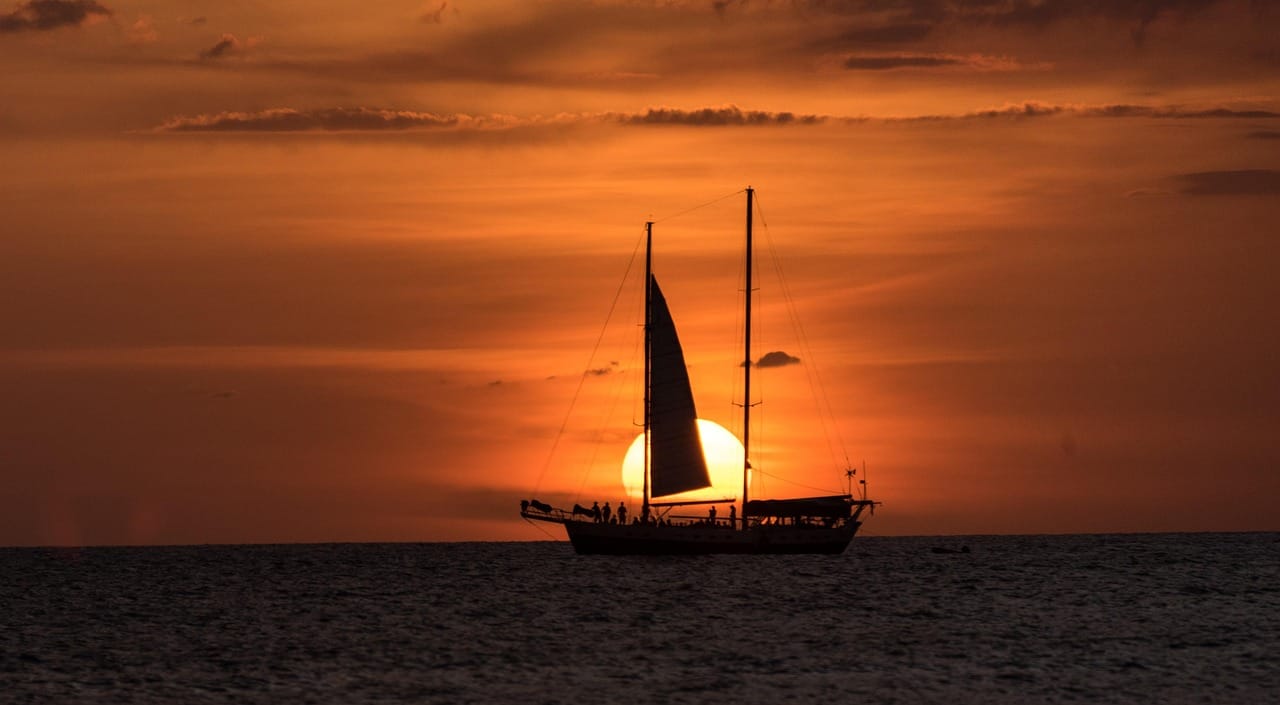
I'm not going to lie to you. Moving to Costa Rica alone was one of the craziest, most impulsive, most absolutely life-changing things I've ever done. Four years ago, I was sitting in my Montreal apartment during yet another brutal winter, scrolling through Instagram photos of palm trees and perfect waves, and I thought: why am I still here?
Two months later, I had a one-way ticket to Tamarindo, two surfboards, and absolutely no clue what I was getting myself into.
Now? I teach surf, run my travel blog from a hammock, and wake up to sunshine basically every single day. But getting here? That journey taught me some seriously valuable lessons I wish someone had told me from the start.
So grab your coffee (or coconut water, no judgment), and let me share the five biggest things I wish I'd known before making the leap to Costa Rica solo.
1. "Pura Vida" Isn't Just a Saying — It's a Complete Lifestyle Reset
Before I moved, I thought "pura vida" was just Costa Rica's version of "aloha" — a cute phrase tourists throw around. Wrong. It's actually a whole mindset that will completely rewire how you think about time, stress, and what actually matters.
Coming from Montreal, where everything runs on tight schedules and constant hustle, I had to learn that things move differently here. Your internet might go out during a rainstorm. The bank might close early because it's someone's birthday. That repair guy who said "mañana"? He meant maybe next week.
At first, this drove me absolutely crazy. I had deadlines! Blog posts to write! A business to run! But here's what I learned: fighting against pura vida only makes you miserable. The moment I stopped trying to force Canadian efficiency onto Costa Rican life and started actually embracing the slower pace, everything changed.
Now, if my Wi-Fi goes out, I grab my surfboard instead of freaking out. If a meeting gets rescheduled, I head to the beach. This isn't about being lazy, it's about understanding that life here prioritizes wellbeing over productivity. And honestly? My mental health has never been better.
Pro tip: Build extra time into everything. What takes two hours in Canada might take two days here, and that's totally normal. Learn to laugh at delays rather than stress about them. Your blood pressure will thank you.
2. The Bureaucracy Is Real (But Manageable with Patience)
Okay, this is where I have to get real with you. Costa Rica has some of the most complex bureaucracy I've ever encountered. Getting residency, opening a bank account, registering a car, and obtaining permits all involve multiple trips to different offices, stacks of paperwork, and a level of patience I didn't know I had.
I remember trying to get my residency sorted and being told I needed my birth certificate apostilled, translated by an official translator, and then authenticated by the foreign ministry. Then I needed criminal background checks from every country I'd lived in for more than six months. Then I needed to get a lawyer to submit everything to immigration. The whole process took me almost eight months.
Banking is another adventure. Many banks here won't open accounts for foreigners without residency. The ones that do require mountains of paperwork, proof of address (which is tricky when you're renting short-term), and sometimes a minimum deposit. I went through three banks before finding one that would work with me.
But here's the thing: it's totally manageable if you know what to expect. Hire a good lawyer for residency stuff; it'll cost you around $1,650 to $2,200, but it's worth every cent. They know the system, they know which documents you need, and they can navigate the process way faster than you can alone.
For banking, I eventually opened an account with Banco Nacional using my passport and proof of my rental address. Some expats use services like Wise (Transferwise) or PayPal to manage money without a local account, at least at first.
My advice: Start the residency process as soon as possible, even if you're not sure you'll stay long-term. Having that DIMEX (Costa Rican ID card) makes everything easier. And join expat Facebook groups, seriously, those folks are goldmines of information about which banks are foreigner-friendly, and how to navigate the system.
If you're serious about making the move and want detailed guidance through every bureaucratic step, check out our Move to Costa Rica Masterclass. It covers everything from residency applications to banking, healthcare, and legal requirements, basically all the stuff I wish I'd known from day one.
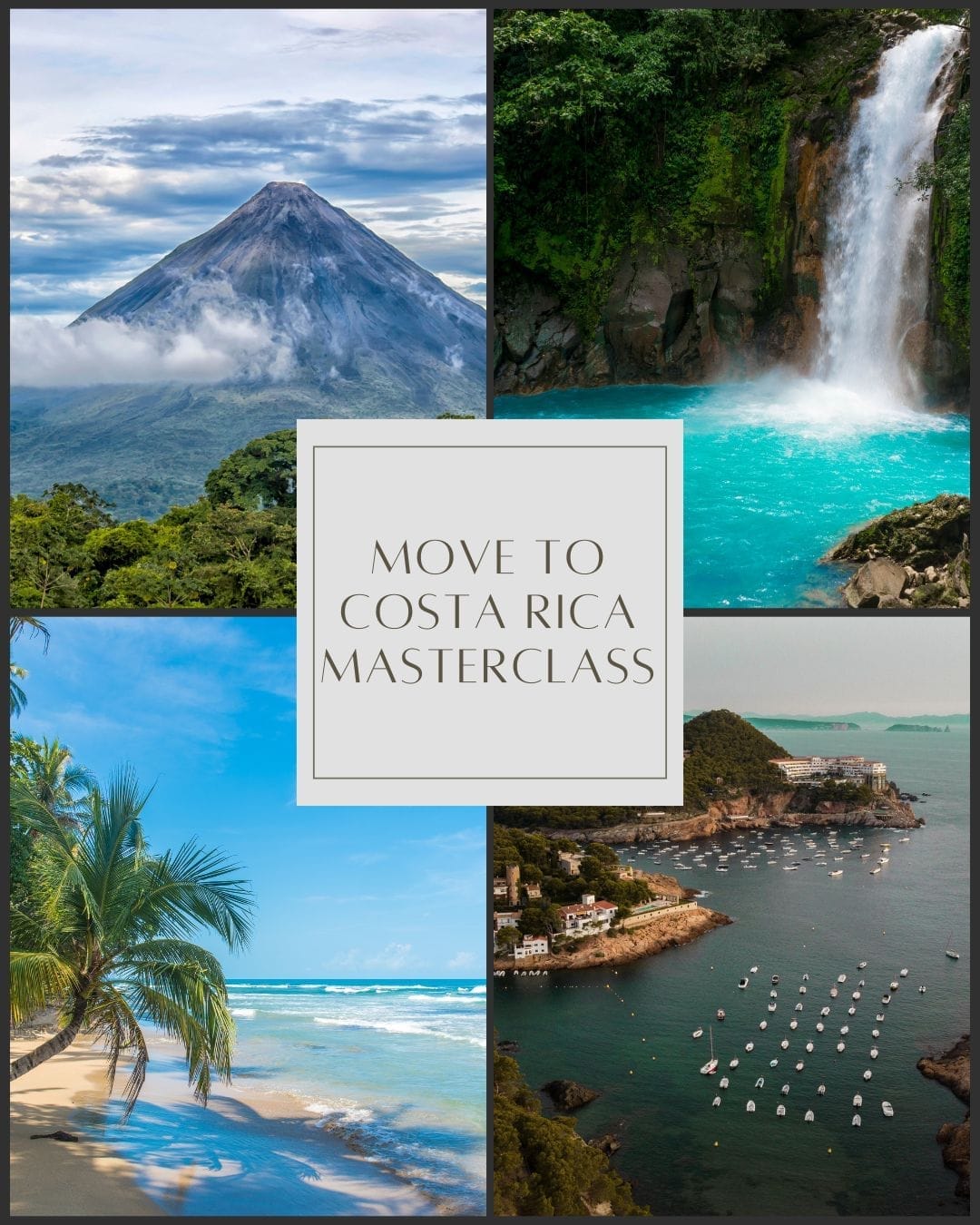
If you're serious about making this life-changing move, our Move to Costa Rica Masterclass online course provides comprehensive guidance on everything from residency requirements and healthcare to finding the perfect community and integrating into local culture, helping you make a smooth and successful transition.
3. Your Budget Will Look Completely Different (And That's Not Necessarily Bad)
Before moving, I thought Costa Rica would be cheap. I mean, Central America, right? Beach living, low cost of life, margaritas for two bucks? Yeah, no. Costa Rica is actually one of the more expensive countries in Latin America, and my budget definitely had to shift.
Let me break down what my monthly expenses actually look like here in Tamarindo:
Rent: $880 to $1,540 per month for a one-bedroom place near the beach. You can find lower prices if you go inland or share a place, but beachfront living costs more. I currently pay $1,100 for a small casita about ten minutes walk from the surf.
Groceries: About $440-$550 per month. Imported products are expensive, like criminally expensive. A jar of peanut butter can cost $8.80. But local produce, rice, beans, and fresh fish are affordable. I eat a lot more local food now, and honestly, I feel healthier for it.
Eating Out: A casado (traditional Costa Rican plate) at a soda (local restaurant) costs about $6.60 to $8.80. Tourist restaurants in Tamarindo charge $17.60 to $27.50 for a meal. I mix it up. Sodas for everyday eating, nicer spots when friends visit.
Utilities: Electricity runs me about $77 to $110 per month, especially during the hot season when I use AC. Water is around $22 to $33. Internet (critical for my blog) costs $66/month for decent speed.
Transportation: I bought a used motorcycle for $1,760, which was one of my best decisions. Gas is about $55 monthly since I don't drive much; everything in Tamarindo is close. A car would cost way more in gas, insurance, and maintenance.
Healthcare: I pay $77 monthly for private insurance through INS. Doctor visits cost $33 to $55 without insurance. It's way more affordable than Canada, but not free.
Activities: Yoga classes are $11 to $17.60 per session. Surf lessons (when I take them to improve) run $55 to $77. But the beach is free, hiking is free, and there's so much nature to explore that doesn't cost anything.
Total monthly? I spend between $1,870 and $2,420 per month. Some months are leaner, especially the rainy season when tourism drops, and my surf lessons slow down. But I've learned to adapt.
The biggest shift for me was realizing that while my overall expenses are similar to Montreal's, what I'm spending money on is totally different. Less on winter clothes and heating, more on sunscreen and fresh fish. Less on entertainment venues, more on outdoor activities. My quality of life feels way higher, even though my budget is roughly the same.
Money tip: Shop at local markets instead of supermarkets when possible. Learn to cook Costa Rican food — it's cheaper and delicious. And if you're earning in dollars or euros, that helps a lot, since the local currency (the colón) tends to be more stable.
4. Community Is Everything — But It Takes Time to Build
This is probably the hardest thing I've faced, and the one nobody really warns you about. Moving to a foreign country alone is lonely. Like, really lonely. Especially at first.
I arrived in Tamarindo knowing exactly zero people. I'd see groups of friends at the beach or restaurants, everyone laughing and connected, and I'd feel so isolated. I remember sitting on my porch one night about three weeks in, eating rice and beans alone, wondering if I'd made a huge mistake.
But here's what I learned: building community takes intentional effort, especially as an adult in a new place. You can't just wait for friends to appear. You have to put yourself out there, even when it feels awkward.
I started going to the same yoga class every week. I joined a beach cleanup group. I hung out at the same café and chatted with other digital nomads. I said yes to every invitation, even when I felt nervous or tired. Slowly, faces became familiar. Familiar became friendly. Friendly became friends.
The expat community here is actually amazing once you tap into it. There are regular meetups, beach volleyball games, potlucks, and language exchanges. People are generally open and welcoming because most of us are here for similar reasons; we wanted something different from the traditional path.
I also made efforts to connect with locals, which, honestly, has been one of the most rewarding parts of living here. Learning Spanish helped massively with this. The better my Spanish got, the more I could actually have real conversations, understand the culture, and feel like I belonged instead of just being another tourist.
Now, four years later, I have friends from all over the world. My neighbor brings me tamales at Christmas. I have a regular crew for sunset surf sessions. A group of us meets for beach bonfires most Friday nights. But it took time, vulnerability, and consistent effort to build that.
Community-building advice: Join Facebook groups for expats in your area before you even arrive. Show up to events. Take classes: surf lessons, Spanish lessons, cooking classes, whatever interests you. Volunteer. Be the person who sometimes organizes things. And give it at least six months before deciding if you've found your people. Real friendships take time to develop.
Unlock the secrets of the world's most successful entrepreneurs with the
Global Wealth Navigator Newsletter
Discover the world's best destinations offering a lower cost of living paired with an enriched quality of life with the Global Wealth Navigator Newsletter. Whether you're a retiree or an entrepreneur, we dive into strategies that open doors to international investments, tax optimizations, and discover the finest destinations offering a superior quality of life. Don't let borders or routine define you; lets find your ideal spot in the world, regardless of your income bracket.

5. You'll Change More Than Your Location
This is the big one. The thing I absolutely didn't expect. I thought moving to Costa Rica would change my surroundings, trade snow for sunshine, and an office cubicle for beach living. What I didn't realize is that it would fundamentally change me as a person.
Living here stripped away so many assumptions I had about how life "should" look. In Montreal, I was on a pretty standard path: career, apartment, relationship, eventual mortgage and kids, right? Here, I realized I could design my life completely differently.
I learned I don't need much to be happy. My casita is small, maybe 400 square feet, but it has everything I need. I own probably a fifth of what I had in Canada, and I don't miss any of it. Turns out you don't need much stuff when you spend most of your time outside.
I learned that work doesn't have to be the center of my life. Teaching surf and running my blog lets me earn enough to live comfortably, and more importantly, it gives me the freedom to surf when the waves are good, to take a random Tuesday off, to prioritize experiences over income. That balance would've felt impossible in my old life.
I learned I'm way more capable than I thought. Moving alone to a country where I barely spoke the language, figuring out residency and taxes and healthcare, building a business from scratch — old me would've been terrified. But I did it. And now I know I can handle hard things.
I also learned that I'm okay with uncertainty. I don't know where I'll be in five years. Maybe still here, maybe somewhere else. And that used to stress me out, but now it feels exciting. Life doesn't have to follow a predetermined script.
The biggest shift, though, has been in how I relate to myself. Living solo in a foreign country forces you to really know yourself — what you like, what you need, how you handle stress, what makes you feel alive. I've become more confident, more self-reliant, more in tune with what actually matters to me.
Costa Rica didn't just give me better weather. It gave me permission to redefine what success looks like, to prioritize wellbeing over productivity, and to build a life based on my values rather than society's expectations. And honestly? That's the best thing I never knew I was looking for.
Reflection tip: Before you move, take some time to really think about why you want to make this change. Is it just about location, or is it about redesigning your whole life? Both are valid, but knowing your deeper motivation will help you navigate the inevitable challenges.
Trust the Journey
Moving to Costa Rica alone was messy, challenging, occasionally frustrating, and absolutely 100% worth it. I won't pretend it's all sunshine and perfect waves; some days are hard. Some days I miss my family. Some days, the bureaucracy makes me want to scream.
But most days? Most days, I wake up grateful. Grateful for the ocean outside my door, for the community I've built, for the life I've designed on my own terms. Grateful that I took the leap instead of spending the rest of my life wondering "what if."
If you're thinking about making a similar move, here's my advice: do your research, prepare as much as you can, but also know that no amount of preparation will make everything smooth. There will be surprises. There will be challenges. There will be moments when you question everything.
And that's okay. That's part of the growth. The discomfort is where the magic happens.
So if you're sitting in your apartment right now, scrolling through beach photos and dreaming of something different, I want you to know: it's possible. It's totally, absolutely possible. It won't look exactly as you imagine, but it might be even better.
Want more detailed guidance on making your Costa Rica move happen? Our Move to Costa Rica Masterclass breaks down everything from visas and residency to finding housing, understanding healthcare, managing finances, and integrating into the local community. It's basically everything I learned the hard way, organized into an easy-to-follow course.
Pura vida, friends. Maybe I'll see you on the beach.
Written by Sophie Leclerc — The Beach Entrepreneur
Montreal-born Sophie followed the waves to Tamarindo, where she teaches surfing and runs a travel blog. Her lively, free-spirited writing celebrates independence, sunshine, and creativity. She encourages young professionals to live passionately and design a lifestyle rooted in freedom.
📍 From Montreal, now in Tamarindo
Surf instructor and travel blogger, Sophie writes with energy and optimism—perfect for those dreaming of sand, surf, and self-employment.
Read Articles by Sophie →
Global Citizen Life
© 2023 Global Citizen Life
All rights reserved