
Finding Your Perfect Neighbourhood in Punta Cana: A Local's Guide
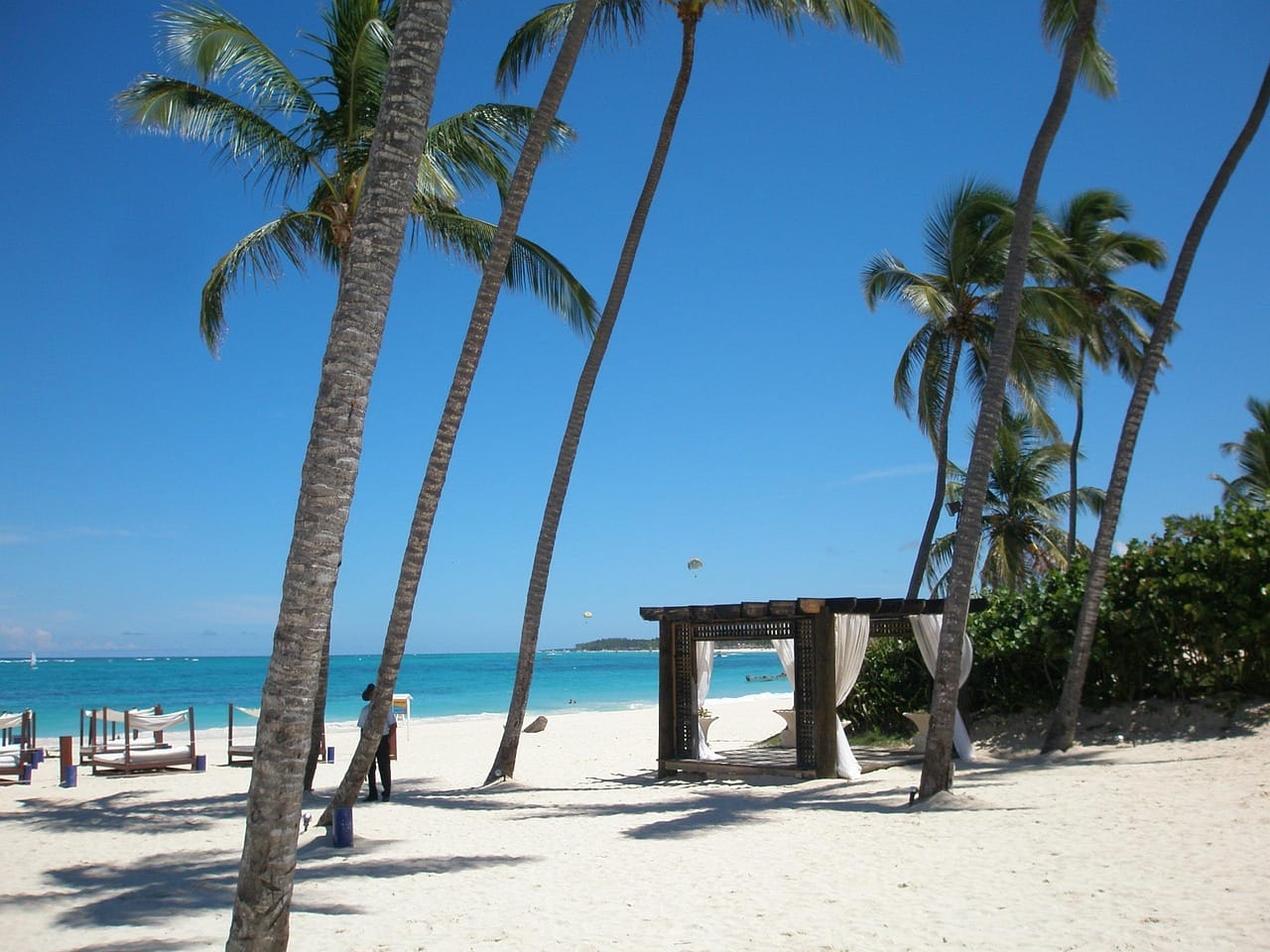
When I first arrived in Punta Cana from London five years ago, I made the classic expat mistake: I chose my first flat based entirely on proximity to the beach. Beautiful? Absolutely. Practical for my daily life? Not remotely. I spent my first six months battling tourist traffic, overpaying for groceries, and feeling oddly disconnected from the community I'd moved here to join.
That experience taught me that finding the right neighbourhood in Punta Cana isn't about choosing the most picturesque postcard view. It's about understanding how different areas function, what they offer beyond the obvious, and which one aligns with your actual lifestyle. Not the one you imagine you'll have when you're sipping piña coladas at sunset.
After living in three different neighbourhoods and helping dozens of expats settle in through my work in hospitality, I've developed a fairly solid understanding of what each area really offers. Let me walk you through the main residential zones and help you determine where you'll thrive.
Bávaro: The Expat Hub
Bávaro is where most expats eventually end up, and for good reason. This is the most developed residential area outside the resort zones, with well-developed infrastructure, international services, and a genuine sense of community.
The supermarkets here stock British tea, proper cheese, and all those little comforts you didn't realise you'd miss until you couldn't find them. Nacional and Jumbo are my regular haunts. Expect to spend approximately USD 440–550 per month on groceries for one person if you're buying a mix of local and imported products.
What sets Bávaro apart is its self-contained nature. You've got international schools, medical centres with English-speaking staff, gyms, restaurants that aren't exclusively tourist-oriented, and even a growing arts scene. The Palma Real Shopping Village and Downtown Punta Cana offer the right retail therapy when you need it.
Housing varies dramatically. You can find modern apartments in gated communities for USD 880–1,320 per month, or opt for standalone houses for USD 1,650–2,750. The gated communities often include pools, security, and gardens. It's worth it if you value convenience and don't want to manage property maintenance yourself.
The downside? Bávaro may feel somewhat too comfortable. It's easy to create a little expat bubble here and never really integrate into Dominican culture. Traffic during high season can also be absolutely maddening, particularly along the main coastal road.
Punta Cana Village: Quiet Sophistication
If Bávaro is the bustling city cousin, Punta Cana Village is the elegant countryside relative who went to finishing school. This area caters to a more upscale crowd. Think golf course living, marina access, and homes that wouldn't look out of place in a luxury property magazine.
I have colleagues who live here, and they adore the space and tranquility. Properties are larger, often with private pools and gardens. You're looking at USD 2,200–4,400 in monthly rentals, though buying becomes more attractive here if you're planning long-term (properties start at around USD 330,000–440,000).
The Cap Cana area, technically separate but similar in feel, arguably offers the most exclusive living in the region. Beautiful marina, pristine beaches, world-class golf courses, and that unmistakable air of 'we're doing rather well, thank you.' Rentals here start at USD 2,750 and climb rapidly.
The reality check: you absolutely need a car. There's no popping out for milk. You're driving everywhere. The social scene is quieter and more exclusive. If you thrive on spontaneous interactions and urban energy, this might feel isolating. But if you value privacy, space, and premium amenities, it's paradise.
Unlock the secrets of the world's most successful entrepreneurs with the
Global Wealth Navigator Newsletter
Discover the world's best destinations offering a lower cost of living paired with an enriched quality of life with the Global Wealth Navigator Newsletter. Whether you're a retiree or an entrepreneur, we dive into strategies that open doors to international investments, tax optimizations, and discover the finest destinations offering a superior quality of life. Don't let borders or routine define you; lets find your ideal spot in the world, regardless of your income bracket.

Verón: The Authentic Dominican Experience
Verón is where actual Dominicans live. Not the resort staff or expat community, but families who've been here for generations. This is the real Punta Cana that tourists never see, and honestly, it's the most culturally rich neighbourhood in the area.
I lived here briefly when I first arrived, and while it definitely had challenges, I learned more Spanish in three months there than I would have in a year elsewhere. The local markets are vibrant, prices are genuinely local (expect to halve your grocery budget), and the community actually welcomes you rather than seeing you as just another temporary face.
Rent is dramatically cheaper—USD 440–770 per month will get you a decent apartment, though you'll need to adjust your expectations for finishes and amenities. You won't have a pool or a gym, but you will have neighbours who invite you to family gatherings and care if you've been sick.
The challenges are real, though. Limited English speakers, more basic infrastructure, occasional power cuts, and you're further from the beach and resort areas. If you work in hospitality like me, the commute adds up. Security is generally fine, but you need to be more street-smart than in the gated expat communities.
This neighbourhood isn't for everyone, but if you're genuinely interested in Dominican culture and don't need Western conveniences at your fingertips, it's the most authentic experience you'll find.
Uvero Alto: The Peaceful Escape
About 30 minutes north of central Punta Cana, Uvero Alto is where you go when you want to escape the Punta Cana circus entirely. The beaches here are somehow even more spectacular: less developed, fewer people, that pristine Caribbean feeling that's increasingly hard to find.
Several all-inclusive resorts have set up here precisely because it feels more remote and exclusive. For residents, this means beautiful surroundings but limited local infrastructure. There's not much beyond the resorts themselves. No shopping centres, limited restaurants, and minimal services.
I know a few remote workers who've settled here and absolutely love it. Rental prices are moderate, USD 1,100–1,760 monthly for something nice, and the quality of life is undeniably high if you don't need constant stimulation. The temperature hovers around 26–30°C (79–86°F) year-round, with gentle breezes that make the heat entirely pleasant.
But you're isolated. Any serious shopping, medical needs, or social activities mean a drive back toward Bávaro. If your car breaks down, you're in trouble. This works brilliantly for certain lifestyles—digital nomads, retirees seeking peace, or anyone who genuinely wants to disconnect—but it would drive me absolutely mad.
Cabeza de Toro: The Middle Ground
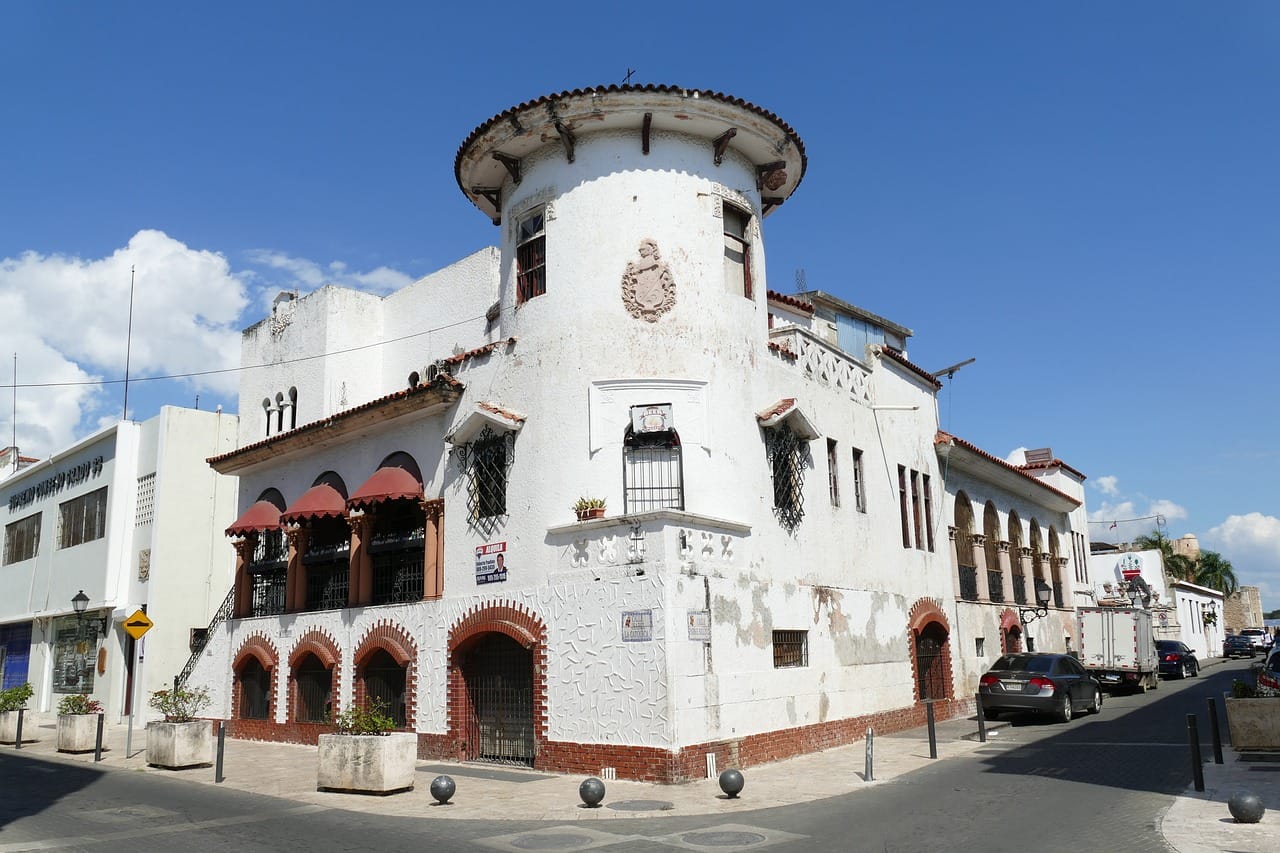
Cabeza de Toro sits between Bávaro and Punta Cana Village, both geographically and philosophically. It's less developed than Bávaro but more accessible than the upscale communities, with a mix of local Dominican residents and expats seeking more affordable options.
What I appreciate about this area is its authenticity without complete isolation. You're close enough to Bávaro's amenities, maybe a 10-minute drive, but you're paying USD 660–1,210 monthly instead of Bávaro's higher rents. The neighbourhood has character, actual Dominican culture mixed in with expat conveniences.
It's particularly popular with younger expats and those working in the resort industry. You can walk to several beaches, there are local restaurants with excellent prices, and you're not living in a completely manufactured environment. The social scene skews younger and more relaxed than Punta Cana Village but more established than Verón.
The downside is inconsistency. Infrastructure varies dramatically street by street. Some roads are perfect; others become rivers during heavy rain. You might have a beautiful boutique hotel on one corner and a rather shabby local bar on the other. If you expect everything to be polished and predictable, you will be frustrated.
Practical Considerations Beyond Location
Whichever neighbourhood you choose, certain practicalities apply across Punta Cana. Utilities typically cost USD 110–220 per month, though this varies widely based on air conditioning use. The Dominican summer is genuinely hot. I've learned to use AC strategically rather than constantly.
The Internet is crucial if you're working remotely. Most areas now offer fibre-optic options from providers like Claro and Altice, priced at USD 44–88 per month for decent speeds. But reliability varies by neighbourhood. Definitely test the connection before committing to a long-term lease.
Transportation shapes your daily life more than you'd expect. If you're in Bávaro or Verón without a car, you can get around using motoconchos (motorcycle taxis) and public transport, though it's not particularly comfortable. Everywhere else, a car is essentially mandatory. Buying a decent used car costs USD 8,800–17,600, or you can rent one long-term for USD 550–880 per month.
Safety varies by neighbourhood but is generally reasonable throughout Punta Cana. The gated communities in Bávaro and Punta Cana Village are extremely safe, sometimes almost unnervingly so, with 24/7 security. Verón requires more awareness, but violent crime against expats is rare. Standard precautions apply everywhere: don't flash wealth, be aware of your surroundings, and secure your home properly.
Healthcare and Education Proximity
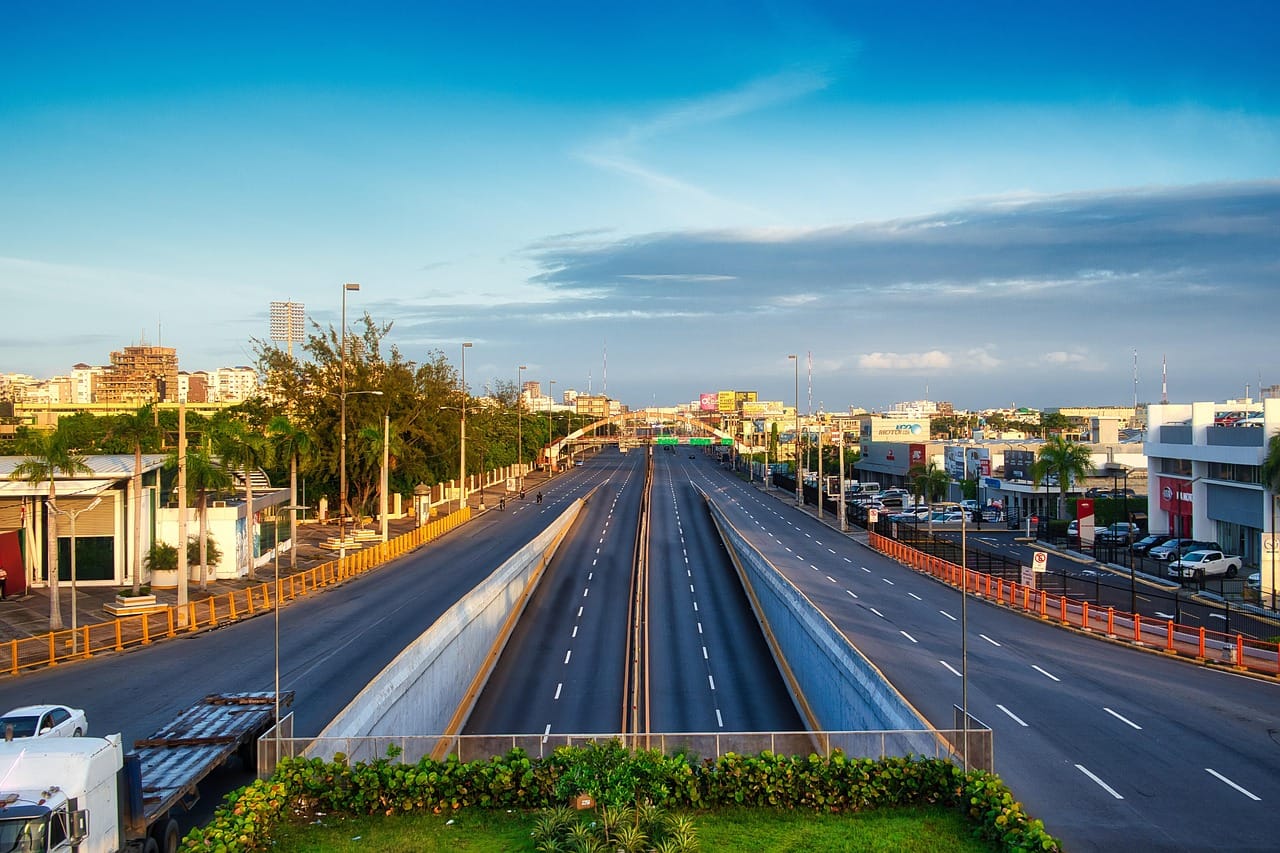
If healthcare access matters to you, and it should, Bávaro wins decisively. You have several private clinics with English-speaking staff and the Hospital Punta Cana, which handles most serious cases without requiring travel to Santo Domingo. Emergency response times are reasonable, and the quality of care is solid with proper insurance.
Other neighbourhoods may result in longer emergency response times and fewer options for immediate care. I recommend identifying the nearest high-quality medical facility for any property you're considering. It's not something you want to figure out during a medical emergency.
For families with children, international schools are predominantly located in Bávaro; Punta Cana International School is the main option. Tuition runs USD 8,800–17,600 annually, depending on age. If education is a factor, living elsewhere means a daily school commute that will quickly become tedious.
The Social Scene: Where You'll Actually Make Friends
One aspect people underestimate is how your neighbourhood shapes your social life. Bávaro has the most active expat community: regular meetups, sports clubs, and volunteer groups. You can build a social circle relatively quickly if you make minimal effort.
Punta Cana Village and Cap Cana attract a different crowd, often older, wealthier, and more established. The social scene exists but tends toward golf club dinners and marina cocktails rather than casual beach gatherings. Nothing wrong with that, but know what you're signing up for.
Verón offers the richest cultural experience but requires genuine effort to integrate. Your social circle will be predominantly Dominican, which is wonderful if that's what you want, but it can feel isolating if you're craving English-speaking camaraderie after a long day at work.
The resort areas themselves, where some expats live in staff housing, create a unique social dynamic. You're constantly surrounded by colleagues, which can be either fantastic (instant community) or claustrophobic (never escaping work). I chose to live separately for this exact reason. I needed boundaries between my professional and personal life.
Seasonal Considerations
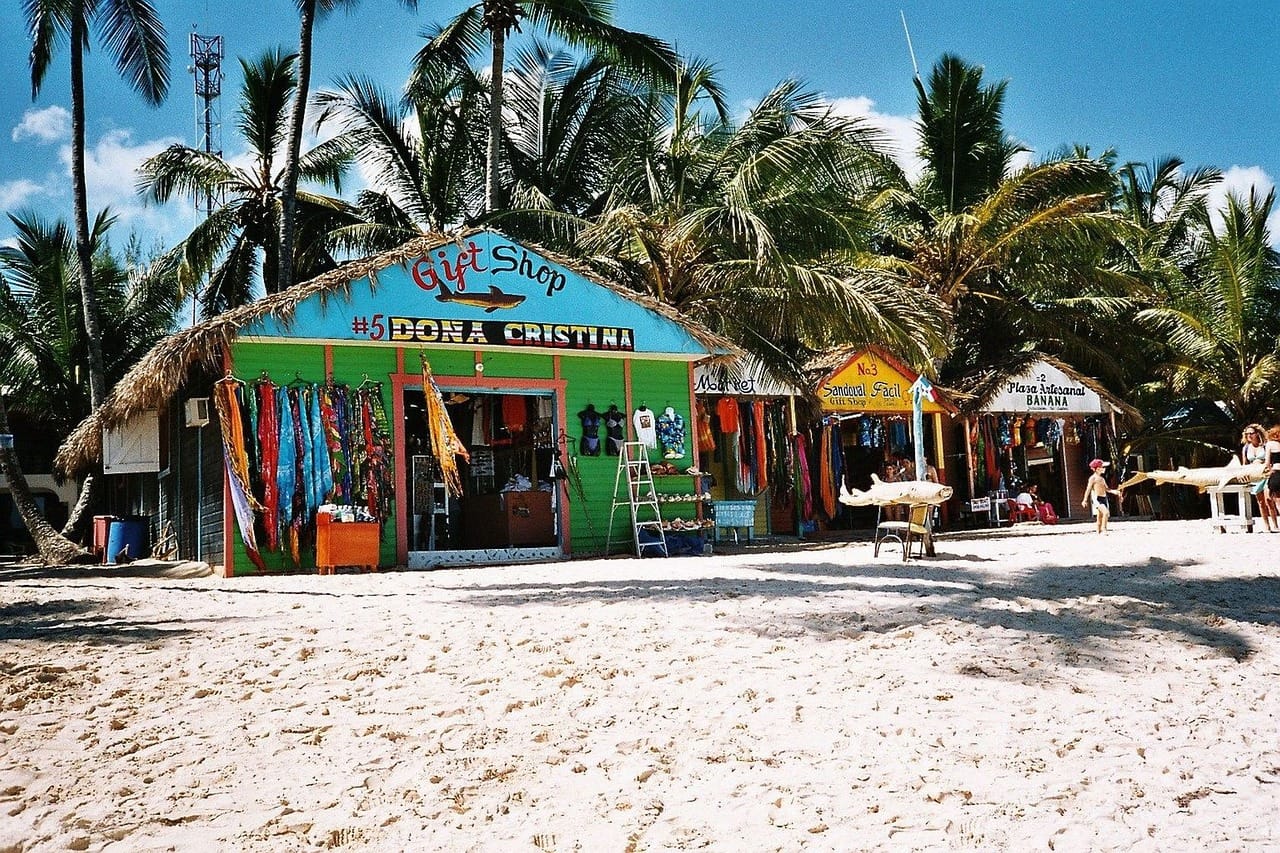
Punta Cana experiences dramatic seasonal shifts that affect different neighbourhoods in different ways. High season (December through April) brings perfect weather, vibrant energy, and absolutely maddening traffic in Bávaro. A 15-minute drive in summer becomes 45 minutes when tourists arrive.
Hurricane season (June through November) is when you appreciate proper infrastructure. Bávaro and the established communities handle storms effectively, thanks to drainage systems and reliable power backup. Verón and less-developed areas can struggle with flooding and prolonged power outages.
I've learned to plan my life around these seasons. Summer is when I enjoy Bávaro most: quieter streets, easier parking, and more interactions with actual locals. Winter is when I escape to quieter areas or simply embrace the chaos and higher energy.
Making Your Decision
After five years here, I've settled in Bávaro, in a gated community that balances security with community. It's not the cheapest option, nor the most glamorous, but it works for my lifestyle: manageable commute to the resorts where I work, walking distance to proper grocery stores, and a built-in social network of other expats who've become genuine friends.
But that's my answer, not necessarily yours. The German couple next door chose Bávaro for the international schools. My British colleague in Cap Cana values luxury and privacy above all else. The Canadian colleague I know in Verón wanted cultural immersion and didn't care about Western amenities.
My advice: don't commit long-term initially. Rent short-term in one neighbourhood, explore thoroughly, then try somewhere else if it's not quite right. Every neighbourhood has advantages and compromises. The key is finding which compromises you're happiest making.
Consider what you actually do daily, not what you imagine you'll do. If you work from home, reliable internet matters more than beach proximity. If you have children, proximity to the international school is the most important factor. If you're social and extroverted, isolation, however beautiful, will make you miserable.
Visit during different times of day. That charming, quiet street might sit directly under the flight path. That conveniently located apartment might face a generator that runs all night. Walk around, talk to residents, and test the commute to wherever you'll be working.
And remember, choosing the wrong neighbourhood initially isn't a disaster. Leases here are flexible, moving is relatively straightforward, and half the expats I know have lived in multiple areas before finding their ideal spot. It's all part of the settling-in process.
Planning Your Move to the Dominican Republic
If you're seriously considering making Punta Cana your home, proper planning makes all the difference. Global Citizen Life offers several resources to help you navigate this transition successfully.
Their one-time strategy calls provide personalized guidance on your specific situation—whether that's understanding visa requirements, evaluating neighbourhood options, or creating a realistic budget for your first year. Sometimes you just need to talk through your concerns with someone who understands both the practical and emotional aspects of relocating.
If you're planning a more complex transition, perhaps relocating a family, starting a business, or managing specific visa complications, their private coaching and consulting provides ongoing support throughout your move and initial settlement period. Having someone to call when you encounter unexpected challenges (and you will) provides enormous peace of mind.
The Right Neighbourhood Changes Everything
Looking back at my first six months in that beach-adjacent flat I mentioned earlier, I realise how much easier my transition would have been with better neighbourhood selection. I was isolated when I craved community, paying premium prices for basic necessities, and spending hours each week just managing logistics that would have been simple elsewhere.
When I finally moved to Bávaro, everything improved. Not because Bávaro is objectively "better", it's not. But it matched my actual needs rather than my romantic notions about Caribbean living.
That's what neighbourhood selection really comes down to: honest self-assessment. What do you genuinely need to be happy? What compromises can you live with? What aspects of your current life are non-negotiable?
Punta Cana offers remarkably diverse options for a relatively small area. Whether you want luxury marina living, authentic Dominican culture, or convenient expat-friendly infrastructure, there's genuinely a neighbourhood that fits. The key is being honest about which one actually suits your life, not which one looks best on Instagram.
Take your time, do your research, and don't let anyone, including me, tell you what your priorities should be. Your perfect Punta Cana neighbourhood is out there. You just need to be clear-eyed enough to recognise it when you find it.
Written by Charlotte O'Neill
Charlotte traded London's grey skies for Caribbean sunshine in 2019, landing in Punta Cana as a hospitality manager. She's built a thriving career in the Dominican Republic's resort industry while enjoying the vibrant expat community and year-round warmth she craved. When she's not working, you'll find her exploring beach towns or enjoying the DR's legendary social scene.
Read all our articles about the Dominican Republic here.
Global Citizen Life
© 2023 Global Citizen Life
All rights reserved