
Ferragosto: Surviving (and Thriving During) Italy's Mass August Exodus
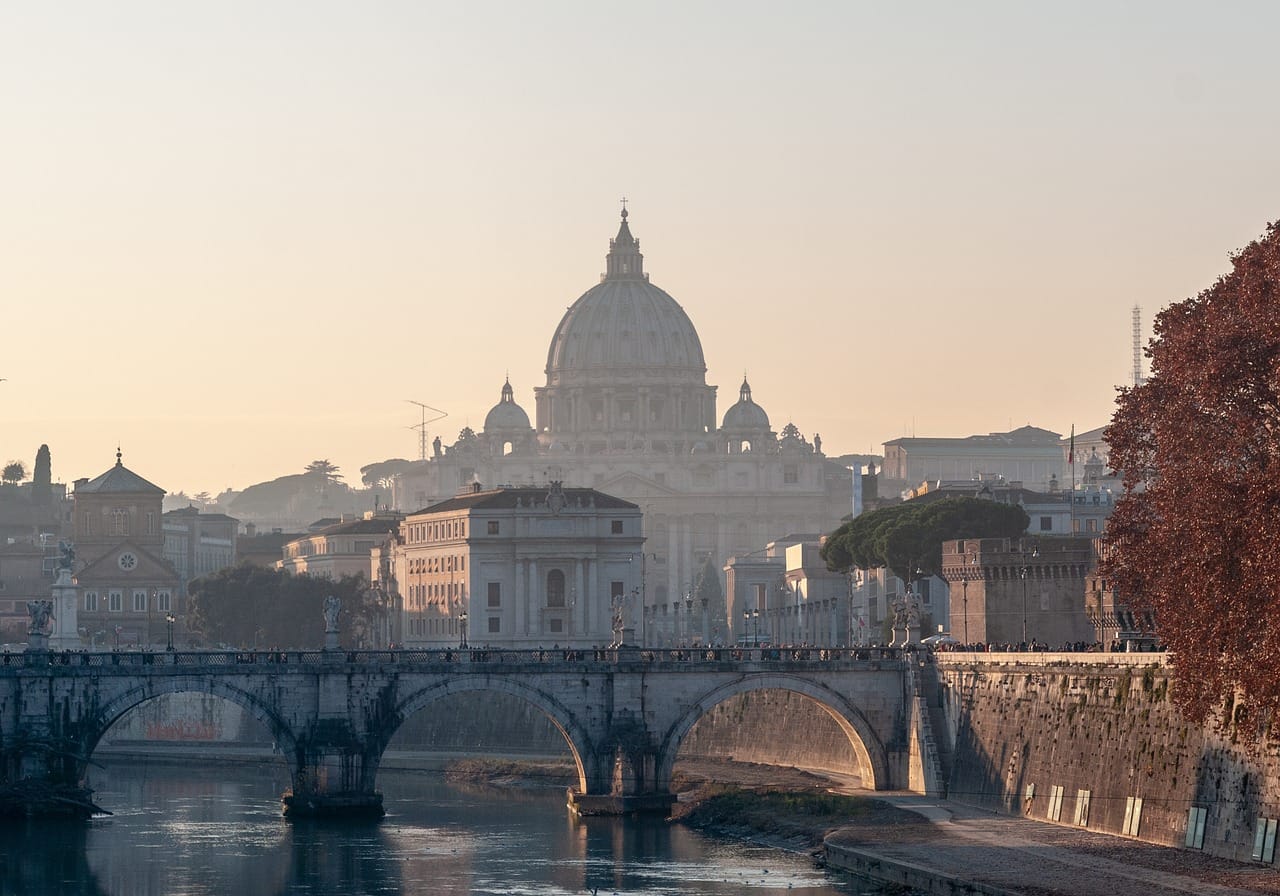
It's mid-August in Rome, the temperature is hovering around 38°C (100°F), and you've just walked fifteen minutes to your favorite coffee bar only to find a handwritten sign taped to the door:
"Chiuso per ferie. Riapriamo il 2 settembre."
Translation: Closed for vacation. See you on September 2nd.
Welcome to Ferragosto, Italy's sacred annual pilgrimage away from the cities and toward any body of water large enough to submerge oneself in. If you're new to Italy, this phenomenon will catch you off guard exactly once. After that, you'll either learn to adapt or spend every
August muttering expletives while wandering the streets looking for an open pharmacy.
As someone who made the rookie mistake of scheduling a product launch for August 14th during my first year in Rome, trust me when I say: Ferragosto doesn't care about your deadlines, your grocery needs, or your excellent planning skills. But here's the good news: once you understand the rules of engagement, you can actually make this chaotic mass exodus work in your favor.
What Exactly Is Ferragosto?
Ferragosto falls on August 15th, though the "festival" effectively runs from early August through the first week of September. Originally a Roman festival celebrating the end of agricultural labor (thanks, Emperor Augustus), it's now Italy's most important summer holiday. Think Thanksgiving meets the Fourth of July, except everyone leaves town instead of gathering around a table.
The concept is simple: escape the oppressive heat of the cities and head to the mountains, lakes, or beaches. In practice, this means approximately 16 million Italians (out of a population of 60 million) hit the road simultaneously, creating traffic jams that make Los Angeles rush hour look like a leisurely Sunday drive.
What makes Ferragosto different from, say, Americans taking a long weekend, is the scale and the commitment. We're not talking about a few days off. Many businesses close for two to three weeks. Some close for the entire month. And when Italians close, they close. No skeleton crew, no emergency contacts, no "we'll check emails periodically." Just a sign on the door and radio silence until September.
The Ghost Town Effect
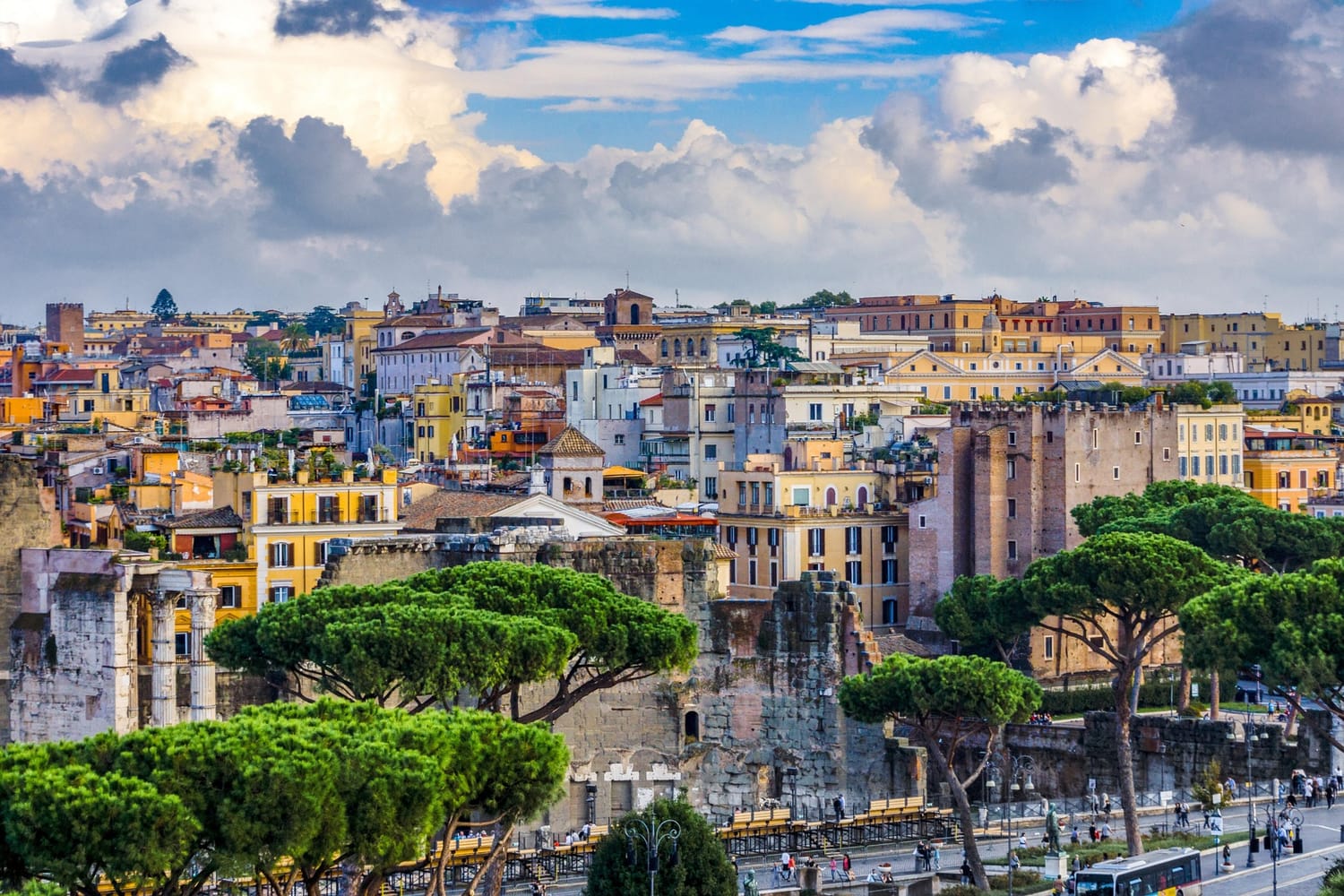
Here's what you need to know about Italian cities in August: they empty out with a speed and thoroughness that would impress any disaster movie director. Rome, Milan, Florence, cities that spend ten months of the year bursting at the seams, suddenly feel like film sets. You can walk down Via del Corso at 2 PM on a Wednesday and actually hear your footsteps.
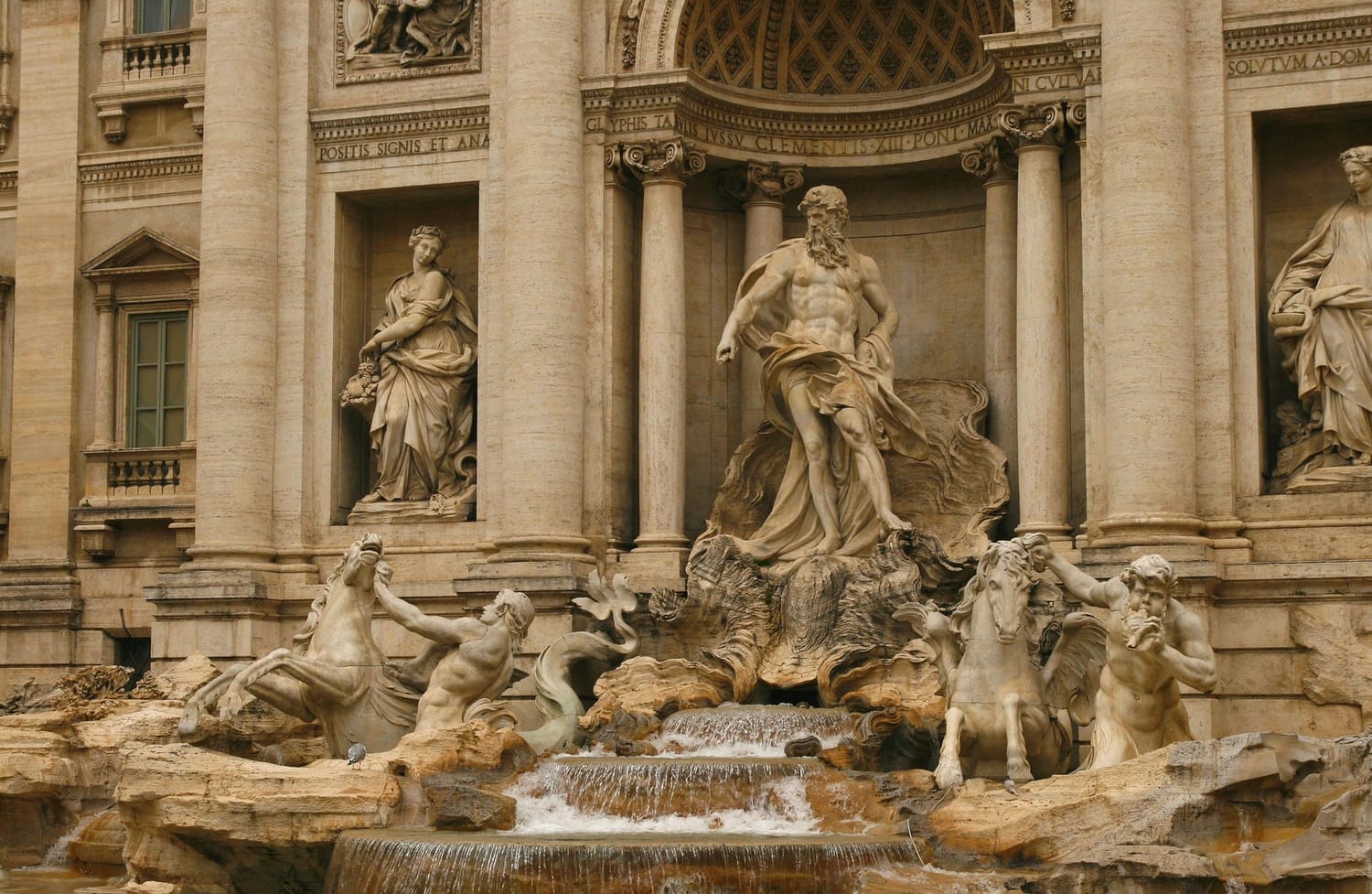
The upside? For those who stay (or arrive as unsuspecting tourists), you get a version of Italy that feels like a secret. Museums are manageable. Restaurants that usually require reservations two weeks out suddenly have tables available. You can take photos at the Trevi Fountain without seventeen people photobombing you. It's glorious.
The downside? Good luck finding basics. That bakery you love? Closed. Your favorite osteria? Closed. The pharmacy you get your allergy medication from? You guessed it—closed. Even the tabacchi (where you buy bus tickets and pay bills) might be shuttered, leaving you stranded without access to public transportation if you didn't stock up on tickets.
The key to survival is advanced planning and knowing which businesses stay open. Chain supermarkets typically maintain limited hours. Restaurants in tourist areas keep operating (though often with reduced menus and surly staff who clearly lost the vacation lottery). And there's always at least one pharmacy open in each neighborhood. You just need to know the rotation schedule posted at every pharmacy door.
Ready to make your own move to Italy? Our
online course provides comprehensive guidance on visas, housing, healthcare, schools, and everything else you need to know for a successful family relocation. Learn from those who've done it and avoid costly mistakes.
The Work Reality: Everything Stops
If you're working remotely in Italy, here's the harsh truth about August: your Italian clients, vendors, and contacts will vanish. That invoice you're waiting on? It'll arrive September 3rd, maybe 4th if they're easing back in. That approval you need? The person who signs off is on a beach in Sardinia with their phone on airplane mode.
Coming from New York's never-stop grind culture, this was perhaps my biggest adjustment. In the States, we pride ourselves on being reachable 24/7. We check emails from vacation. We take calls from the beach. Italians find this behavior genuinely disturbing.
During Ferragosto, work-life balance isn't a buzzword. It's law. The Italian mindset is that vacation is sacrosanct. You disconnect completely because rest and family time are non-negotiable. Initially, I fought this. I'd send urgent emails in early August, increasingly frantic follow-ups by mid-August, and by late August, I'd just be staring at my inbox like a contestant on a reality show waiting to be voted off.
Eventually, I learned: if you have deadlines, finish them by July 31st. If you need approvals, get them before August 1st. If you're launching anything, schedule it for June or October. Fighting Ferragosto is like fighting gravity, technically possible with enough force, but why exhaust yourself?
Pro tip: Use August to work with your non-Italian clients. They're still operating at full speed, and you'll have quieter mornings to focus without the usual chaos of Italian business hours.
Should You Stay or Should You Go?
This is the question every expat faces in their first Italian August. My answer: it depends on what you want from the experience.
Option 1: Stay and Embrace the Quiet
Staying in a major city during Ferragosto is like having a private viewing of Italy's greatest hits. Rome, particularly, transforms into something almost meditative. You can bike down streets that are usually choked with traffic. You can sit in piazzas without fighting for space. The heat is brutal (we're talking 35-40°C / 95-104°F regularly), but if you adopt the Italian strategy of doing nothing between noon and 5 PM, it's manageable.
I've spent several Augusts in Rome, and there's something deeply satisfying about having the city to yourself. You discover neighborhood spots that tourists never find. You chat with the skeleton crews at the few open restaurants and hear stories you'd never get during the busy season. You understand what the city feels like when it's just breathing.
Just be strategic: stock up on groceries by August 10th, confirm your pharmacy's schedule, bookmark a few reliable restaurants, and embrace the siesta culture. Work in the early morning, shut down by noon, and don't emerge until evening.
Option 2: Join the Exodus
If you can't beat them, join them. And honestly, understanding why Italians abandon the cities becomes crystal clear once you experience an Italian August at the beach or in the mountains.
The Amalfi Coast, Puglia, Sardinia, Lake Como, and the Dolomites are glorious in August. Yes, they're packed with Italian families, but that's part of the charm. You're not experiencing tourist Italy; you're experiencing Italian Italy. Kids running around until 11 PM, multi-generational dinners that last four hours, beaches lined with color-coded umbrellas rented for the entire month.
Book accommodations early, and I mean March or April early. Italians reserve their August spots practically the moment they return from the previous August. Expect to pay premium prices; this is peak season, and everyone knows it. Budget around $150-300 per night for decent accommodations in popular beach towns, more for islands like Sardinia or Capri.
If you're driving, avoid August 15th itself like the plague. The traffic is apocalyptic. Leave a few days before or after, and even then, pack podcasts and patience.
The Smart Expat's Ferragosto Strategy
After five years of trial and error, here's my battle-tested approach:
1. Plan Around It (Not Against It)
Stop trying to maintain your regular pace. August in Italy operates on different rules. Accept this, plan accordingly, and you'll save yourself enormous frustration.
If you're running a business or working with Italian clients, frontload your work into June and July. Get deliverables done early. Stock up on supplies. Think of August 1st as a hard deadline for anything that requires Italian cooperation.
2. Create Your August Survival Kit
By late July, stock up on: non-perishable groceries, medications, toiletries, pet supplies if applicable, and anything else you'd panic about running out of. Find the list of rotating pharmacies in your neighborhood. Screenshot the schedule. Know which supermarkets stay open and their August hours.
3. Embrace the Reduced Pace
August is when you finally read that stack of books, learn to cook properly, or take on passion projects you've been postponing. The city's quiet energy is perfect for creative work. My best writing happens in August precisely because there are fewer distractions.
The heat forces you into a natural productivity rhythm: work early (6-11 AM), rest during the inferno hours (12-5 PM), resume in the evening (6-9 PM). This schedule actually makes sense when it's 38°C outside.
4. Explore the Empty City
If you stay, treat August like a treasure hunt. Find the restaurants that stayed open (they exist and are often excellent because only the serious operators stay open). Discover parks and neighborhoods you've overlooked. Bike everywhere, the normally suicidal traffic is suddenly manageable.
In Rome, I've found incredible neighborhood trattorias in August that I'd never have tried during the crowded months. Same with museums; the Borghese Gallery in August, with half the usual crowds, is a completely different experience.
5. Network with Fellow Survivors
Other expats who stay in August become instant allies. You'll bond over the shared experience of wandering closed streets, swapping intel on which places are open, and organizing impromptu dinners because everyone's regular spots are shuttered. Some of my closest friendships in Rome started with random August encounters: "Hey, you know anywhere that's open for coffee?"
What Actually Stays Open
Let's get practical. Here's what you can generally count on in major cities during Ferragosto:
Open:
Chain supermarkets (reduced hours), tourist-area restaurants (hit or miss on quality), at least one pharmacy per neighborhood (rotating schedule), major museums and monuments, public transportation (reduced schedule), hotels (obviously), gelato shops in tourist zones, and some bars near train stations.
Closed:
Most independent restaurants, neighborhood bakeries, local butchers and markets, many clothing stores, professional services (accountants, lawyers, etc.), government offices (plan for zero bureaucracy in August), and small business suppliers.
The Wild Cards:
Gyms, hair salons, dry cleaners, and car mechanics—these vary wildly by owner preference. Some close the whole month, some stagger closures, and some stay open with skeleton crews. Check before August 1st and plan accordingly.
Unlock the secrets of the world's most successful entrepreneurs with the
Global Wealth Navigator Newsletter
Discover the world's best destinations offering a lower cost of living paired with an enriched quality of life with the Global Wealth Navigator Newsletter. Whether you're a retiree or an entrepreneur, we dive into strategies that open doors to international investments, tax optimizations, and discover the finest destinations offering a superior quality of life. Don't let borders or routine define you; lets find your ideal spot in the world, regardless of your income bracket.

The Cultural Insight: Why Ferragosto Matters
Here's what took me years to understand: Ferragosto isn't just a vacation, it's a cultural statement about values. In the United States, we wear our exhaustion like merit badges. We brag about not taking vacation days. We check emails on the beach to prove our dedication.
Italians look at this behavior with genuine confusion. Why would you sacrifice your health, your family time, and your mental wellbeing for a job? The American hustle culture that I'd absorbed for 33 years suddenly looked less like ambition and more like Stockholm syndrome.
Ferragosto forces a collective reset. It's not negotiable; it's not optional; it's not something you should feel guilty about. It's a reminder that humans need rest, that family matters more than productivity, and that the world won't end if you disconnect for three weeks.
Is this approach sustainable in our globalized, always-on economy? That's a legitimate question. Does it create inefficiencies? Absolutely. But having experienced both systems, I'll tell you this: the Italian approach to August produces happier, healthier people. In September, when everyone returns, they actually return rested. Not "I took a vacation but worked remotely" rested. Actually refreshed.
There's something profound about a culture that collectively agrees: some things matter more than productivity. And in August, those things are rest, family, and the beach.
The September Revival
September 1st doesn't flip a switch, but by mid-September, Italy roars back to life. Shops reopen, restaurants resume normal hours, the bureaucracy machine restarts (such as it is), and the cities refill with locals returning tanned and recharged.
There's a collective energy in September that's hard to describe; almost like New Year's resolution energy, but warmer and less guilt-ridden. People are genuinely happy to be back. Projects that stalled in July finally move forward. The cafés buzz with gossip about August adventures.
Pro tip: September is one of the best months to be in Italy. The weather is still excellent (around 25-28°C / 77-82°F), the tourist crowds have thinned, and locals are in good moods. It's peak time for actually getting things done.
Make Ferragosto Work for You
On my first Ferragosto in Italy, I spent two weeks angry that nothing went according to my expectations. My second, I grudgingly adjusted. By my third, I started to get it. Now, I actually look forward to August.
Not because Italy becomes easier to navigate (it doesn't). Not because my New York work ethic magically disappeared (it hasn't). But because I learned to see Ferragosto not as an obstacle but as an opportunity.
An opportunity to slow down without guilt. To explore the city without crowds. To work on projects that get lost in the normal chaos. To remember that life isn't only about productivity and deadlines.
If you're planning to be in Italy during Ferragosto, embrace the paradox: it's simultaneously the most frustrating and most magical time to be here. Stock up, plan ahead, and then let go of your need for everything to function normally. You're in Italy now, and Italy in August operates on its own frequency.
Learn the rhythm, and you won't just survive Ferragosto, you'll understand why millions of Italians defend it so fiercely. It's not laziness or inefficiency. It's a collective decision that some things: rest, family, actually living, matter more than being constantly available.
And honestly? After five Augusts in Rome, I wouldn't want it any other way.
Ready to navigate Italian life like a local? Our comprehensive Move to Italy Masterclass covers everything from bureaucracy and healthcare to cultural adaptation and finding your community. Get the insider knowledge you need to thrive, not just survive, in Italy.
Ready to make your own move to Italy? Our
online course provides comprehensive guidance on visas, housing, healthcare, schools, and everything else you need to know for a successful family relocation. Learn from those who've done it and avoid costly mistakes.
Written by Alex Carter
A branding consultant from New York, Alex thrives in Rome’s mix of chaos and charm. His witty, observant tone unpacks city life, bureaucracy, and the art of espresso-fueled remote work. Alex writes for professionals seeking cultural richness without losing their edge.
📍 From New York, now in Rome
With wit and sharp observation, Alex unpacks city life, bureaucracy, and remote work in Italy’s bustling capital.
Read Articles by Alex →
Global Citizen Life
© 2023 Global Citizen Life
All rights reserved