
Estonian Food Culture: Beyond Black Bread and Kama

When I first relocated from Canada to Tallinn two years ago, I'll admit my expectations for Estonian cuisine were modest. I'd heard about black bread and perhaps some hearty stews, but I assumed the food scene would be fairly limited. How wrong I was. Estonia's culinary landscape is a fascinating blend of Nordic minimalism, Baltic tradition, and innovative modern gastronomy that has completely changed how I think about food.
The Estonian food culture isn't just about sustenance. It's deeply connected to the seasons, the land, and centuries of adaptation to harsh northern conditions. What might seem simple on the surface reveals layers of complexity, history, and genuine creativity. Today, I'm excited to take you beyond the stereotypes and into the real heart of Estonian cuisine.
Understanding Estonian Culinary Roots
Estonian food culture is fundamentally shaped by geography and history. Located on the Baltic Sea between Scandinavia and Russia, Estonia has developed a cuisine that draws on both regions while maintaining its distinct identity. The long, dark winters meant preservation techniques became essential, and you'll still see this reflected in the abundance of pickled, smoked, and fermented foods.
The philosophy here is refreshingly straightforward: use what's available locally, don't waste anything, and let quality ingredients speak for themselves. There's no heavy cream or butter masking mediocre produce. If it's on your plate, it's meant to be tasted in its natural form. This farm-to-table approach wasn't a trendy movement in Estonia; it's simply how people have always eaten.
Traditional Estonian cuisine centers around rye, potatoes, pork, fish, and dairy products. These staples are transformed through various techniques into dishes that range from rustic comfort food to refined modern interpretations. The Soviet occupation certainly left its mark, introducing certain Eastern influences, but the post-independence era has seen a renaissance of authentic Estonian cooking methods and ingredients.
Essential Estonian Dishes You Must Try
Black Bread (Leib)
Let's start with the icon. Estonian black bread isn't just food; it's cultural identity in edible form. This dense, dark rye bread is slightly sweet, deeply flavorful, and incredibly satisfying. Estonians take their bread seriously; wasting it is considered almost sacrilegious. You'll find black bread at every meal, often served with butter, cheese, or as a base for open-faced sandwiches.
The bread's dark color comes from long fermentation and sometimes the addition of molasses or malt. Each bakery has its own recipe, passed down through generations. My personal favorite comes from Rukkileib, a small bakery in the Kalamaja district, where they bake their loaves in a wood-fired oven. Expect to pay around $4-6 per loaf, and trust me, it's worth every cent.
Kama
Kama is perhaps Estonia's most unique contribution to the culinary world. It's a flour mixture made from roasted barley, rye, oats, and peas, typically mixed with buttermilk or kefir to achieve a porridge-like consistency. The flavor profile is nutty, earthy, and surprisingly addictive once you develop a taste for it.
Traditionally a peasant food, kama has been rediscovered by health-conscious Estonians and innovative chefs alike. You'll find it in smoothies, desserts, and even cocktails at modern restaurants. It's incredibly nutritious, packed with fiber and protein, making it perfect for those long winter months when fresh produce is scarce. You can buy kama powder at any grocery store for about $5-8, or try it prepared at cafes throughout Tallinn.
Verivorst (Blood Sausage)
Before you recoil, hear me out. Estonian blood sausage, especially the version served during Christmas, is a delicacy that showcases the no-waste philosophy perfectly. Made with pork blood, barley, and spices, it's typically served with lingonberry jam and sour cream. The combination of savory, sweet, and tangy creates a remarkably balanced dish.
The texture is rich and slightly grainy from the barley, while the lingonberry provides a bright counterpoint. Christmas markets in Tallinn offer excellent versions, with prices around $10-14 for a generous portion. If you're squeamish about the blood component, just think of it as a sophisticated form of protein utilization that's been perfected over centuries.
Räim (Baltic Herring)
Baltic herring is to Estonians what salmon is to Norwegians: an abundant, affordable, and beloved fish that appears in countless preparations. You'll encounter it smoked, pickled, fried, or baked. The most common preparation involves coating the fish in rye flour, pan-frying it until crispy, and serving it with boiled potatoes and a simple salad.
Fresh räim is incredibly cheap at markets, often just $3-5 per kilogram, making it an economical way to incorporate omega-3s into your diet. The Balti Jaama Turg market in Tallinn is your best bet for the freshest catch. The key to enjoying räim is understanding that it's meant to be eaten whole, bones and all, when fried properly. The bones become crispy, adding texture rather than being an annoyance.
Sült (Jellied Meat)
Another dish that tests the boundaries of international palates, sült is meat suspended in aspic jelly, traditionally made from pork trotters and head meat. It's served cold, sliced, often with mustard and pickles. The gelatin comes naturally from the collagen in the meat, creating a tender, flavorful terrine.
This is quintessential Estonian food. Nothing is wasted, maximum flavor is extracted from every part of the animal, and preservation is achieved through natural processes. You'll find it at traditional restaurants and during holidays. It's an acquired taste, but one that rewards the adventurous eater. A typical serving costs around $8-12 at restaurants.
Unlock the secrets of the world's most successful entrepreneurs with the
Global Wealth Navigator Newsletter
Discover the world's best destinations offering a lower cost of living paired with an enriched quality of life with the Global Wealth Navigator Newsletter. Whether you're a retiree or an entrepreneur, we dive into strategies that open doors to international investments, tax optimizations, and discover the finest destinations offering a superior quality of life. Don't let borders or routine define you; lets find your ideal spot in the world, regardless of your income bracket.

Where to Experience Estonian Cuisine in Tallinn
Traditional Restaurants
III Draakon (Three Dragons) in the Old Town offers perhaps the most tourist-friendly introduction to Estonian food. Located in a medieval setting, they serve simple, hearty dishes like elk soup, meat pies, and honeyed beer. It's affordable, around $12-18 per person, and the atmosphere is unbeatable. However, don't mistake this for authentic daily Estonian eating; it's more of a historical recreation.
For genuinely traditional cooking, Vanaema Juures (Grandmother's Place) is where locals take their visiting relatives. The menu reads like a greatest hits of Estonian classics: pork with sauerkraut, potato dishes, blood sausage, and homemade desserts. Portions are generous, prices are reasonable ($24-36 for a full meal), and the cozy atmosphere feels like dining in someone's home. Reservations are essential, especially on weekends.
Rataskaevu 16 takes traditional recipes and elevates them with refined techniques and presentation while maintaining authentic flavors. Their seasonal menu might feature venison with juniper berries, Baltic fish prepared multiple ways, and creative desserts incorporating local ingredients. Budget around $48-72 per person for dinner with drinks. The interior is charming without being kitschy, and the service is knowledgeable about Estonian food history.
Modern Nordic-Estonian Fusion
Restaurant Ö represents the pinnacle of Estonia's culinary evolution. This Michelin-recommended establishment focuses on hyper-local, seasonal ingredients prepared with modern techniques. Chef Ranno Paukson creates tasting menus that tell the story of Estonian nature and culture. Expect to pay $120-180 per person for the full experience, but it's absolutely worth it for a special occasion. The wine pairings are exceptional, featuring organic and natural wines from small European producers.
NOA Chef's Hall sits right on the waterfront in Pirita, offering stunning views alongside innovative Estonian-Nordic cuisine. Their philosophy centers on sustainable fishing and farming practices and on working directly with local producers. The menu changes frequently based on availability, but you might encounter smoked eel, wild mushrooms, or sea buckthorn in unexpected preparations. Dinner runs $72-108 per person. Book a window seat at sunset for an unforgettable experience.
Leib resto ja aed (Bread Restaurant and Garden) might have the most Estonian name possible, and they live up to it. Located in a beautiful wooden house in Kalamaja, they grow many of their own vegetables and herbs in the garden. The menu is small but perfectly executed, focusing on vegetables, grains, and fish. It's slightly more affordable than Ö, at $60-90 per person, and the atmosphere is relaxed yet refined.
Casual Dining and Cafes
For everyday eating, F-Hoone in Telliskivi Creative City is where creative Tallinn congregates. It's a former factory space converted into a restaurant, bar, and cultural venue. The menu features Estonian-inspired comfort food with international influences: think pork schnitzel, fresh salads, and excellent burgers. Meals average $18-30 per person, and the vibe is casual and welcoming.
Kompressor is legendary among locals and students for its massive pancakes, both sweet and savory. For around $8-14, you can get a plate-sized pancake that will keep you full for hours. It's not traditional Estonian cuisine per se, but it's become an institution in Tallinn's food scene. The quirky atmosphere and affordable prices make it perfect for casual dining.
Reval Cafe chain has multiple locations throughout the city and offers reliable Estonian pastries and light meals at very reasonable prices. Their kohuke (sweet curd snacks) and kringel (braided sweet bread) are perfect for breakfast or afternoon coffee. Expect to spend $6-12 for a satisfying snack and coffee.
Food Markets: Where Locals Shop
Balti Jaama Turg (Baltic Station Market) is Tallinn's largest and most diverse market. The modern building houses hundreds of vendors selling everything from fresh fish and meat to local cheeses, pickles, and baked goods. This is where I do most of my grocery shopping. The quality is excellent, prices are fair, and you can actually talk to the people who grew or made your food.
The market also features prepared food stalls where you can grab authentic Estonian meals for $10-15. Try the smoked fish vendors. They'll let you sample before buying, and the quality far exceeds anything you'll find in supermarkets. Don't miss the dairy section, where local farmers sell unpasteurized milk, fresh cheese, and cultured products that will revolutionize your understanding of dairy.
Telliskivi Flea Market operates on weekends in the Telliskivi Creative City complex. While more focused on vintage clothing and crafts, you'll find excellent artisanal food producers selling handmade chocolates, preserves, and small-batch spirits. It's a great place to pick up unique Estonian products as gifts or to discover small-scale producers you won't find anywhere else.
During summer, the Balti Jaama farmers' market expands outdoors, with dozens of additional vendors selling seasonal produce directly from their farms. This is when Estonian food really shines: strawberries so sweet they need no sugar, tomatoes that taste like they should, and an overwhelming variety of mushrooms and berries. Prices are incredibly reasonable, with organic produce often cheaper than conventional options in Canadian supermarkets.
Seasonal Specialties and Food Traditions
Spring: Foraging Season Begins
Estonian food culture is inextricably linked to the seasons, and spring brings the first foraged ingredients. As snow melts, Estonians head to forests to gather wild garlic, nettles, and early mushrooms. Restaurants eagerly feature these first fresh greens after months of preserved foods. Wild garlic pesto becomes ubiquitous, and nettle soup appears on nearly every traditional menu.
This is also when the fresh Baltic herring season begins. The fish are plumper and more flavorful in spring, making this the best time to try räim. Markets are overflowing with fresh catch, and prices are dropping to around $3-4 per kilogram. Many restaurants offer spring tasting menus that celebrate the season's renewal with bright, fresh flavors after the heavy winter dishes.
Summer: Berry Season and Light Nights
Summer transforms the Estonian culinary landscape. The endless daylight hours of white nights mean produce grows with incredible intensity. Strawberries, blueberries, raspberries, and cloudberries flood the markets. Every family seems to have a secret berry-picking spot they guard jealously.
This is prime time for fresh salads, grilled fish, and light dishes that would feel out of place in winter. Outdoor restaurants and beer gardens come alive, and food festivals pop up throughout the country. The Midsummer celebration (Jaanipäev) on June 24th is the biggest food event of the year, featuring massive barbecues, smoked fish, and plenty of beer. Fresh dill appears in absolutely everything. Estonians have a near-addiction to this herb during the summer months.
Sea buckthorn, Estonia's national fruit, ripens in late summer. This tart, vitamin-C-packed berry appears in juices, jams, liqueurs, and desserts. It's an acquired taste, intensely sour, but incredibly healthy and uniquely Baltic. You'll find sea buckthorn products year-round, but fresh berries are only available for a brief window in August and September.
Autumn: Mushroom Madness and Harvest
Autumn is perhaps the most exciting season for Estonian food lovers. The forests explode with mushrooms: chanterelles, porcini, and countless varieties I've only learned to identify since moving here. Estonians are passionate mushroom foragers, and entire weekends are devoted to hiking through forests with baskets. It's a deeply social activity, often accompanied by thermoses of coffee and homemade pastries.
Markets fill with wild mushrooms at remarkably low prices, around $6-10 per kilogram for chanterelles, which would cost three times as much in Canada. Restaurants showcase mushrooms in every possible preparation: dried, pickled, in soups, sauces, and as main courses. Learning to identify safe mushrooms has been one of my most rewarding Estonian experiences, connecting me to the land and traditions in ways I never expected.
This is also harvest season for root vegetables, cabbage, and the last tomatoes. Preservation activities intensify as families prepare for winter. Markets sell pickling spices, fermentation crocks, and everything needed to put up food for the cold months ahead. The smell of simmering jam and pickles fills apartment buildings throughout the city.
Winter: Comfort Food and Christmas Traditions
Winter brings temperatures that can drop to -20°C (-4°F) or colder, and the food adjusts accordingly. Heavy, warming dishes dominate: pork roasts with sauerkraut, hearty soups, and an abundance of potatoes. Pickled and preserved foods from autumn become essential. Smoked meats, fish, and sausages provide protein and satisfaction.
Christmas in Estonia is a major culinary event centered on traditional dishes. The Christmas table features roast pork, blood sausage (verivorst), sauerkraut, roasted vegetables, and potato salad. Desserts include gingerbread cookies (piparkoogid) and sweet braided bread (kringel). Many families maintain the tradition of making these dishes from scratch, following recipes passed down through generations.
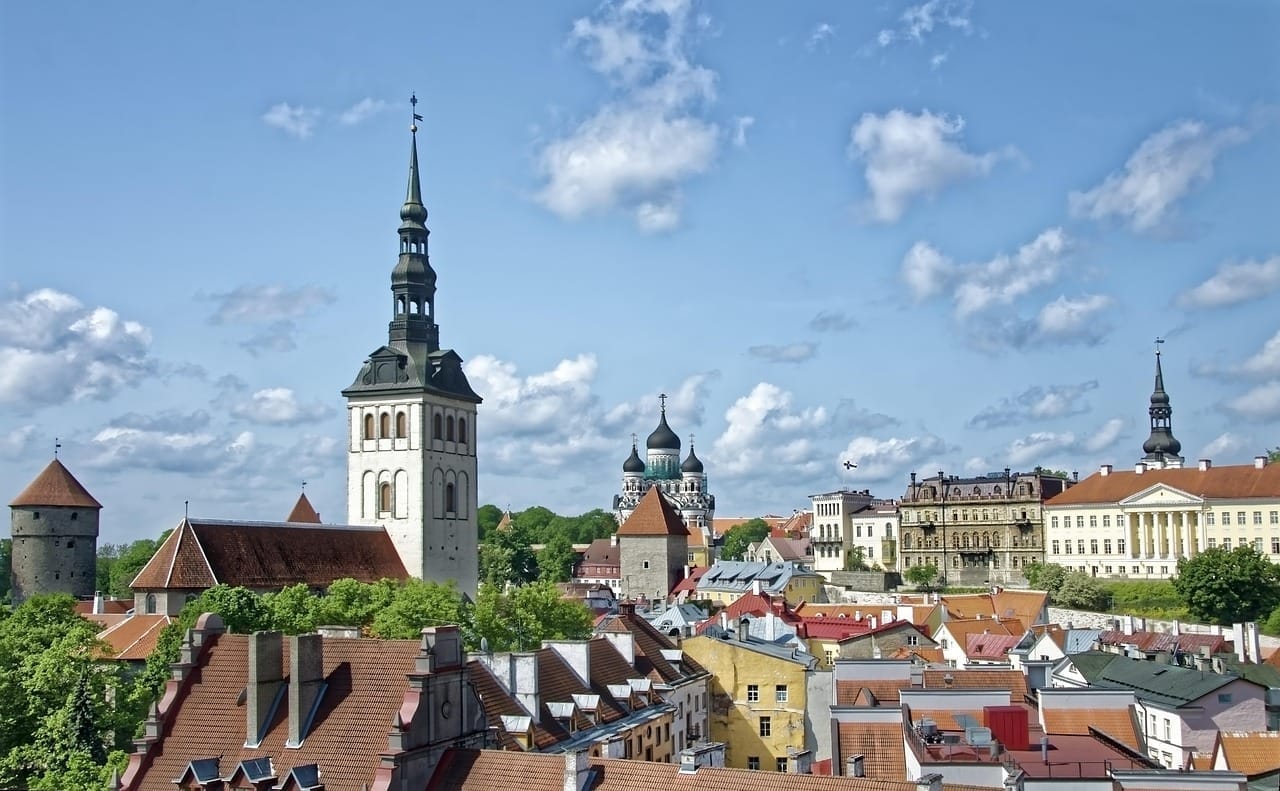
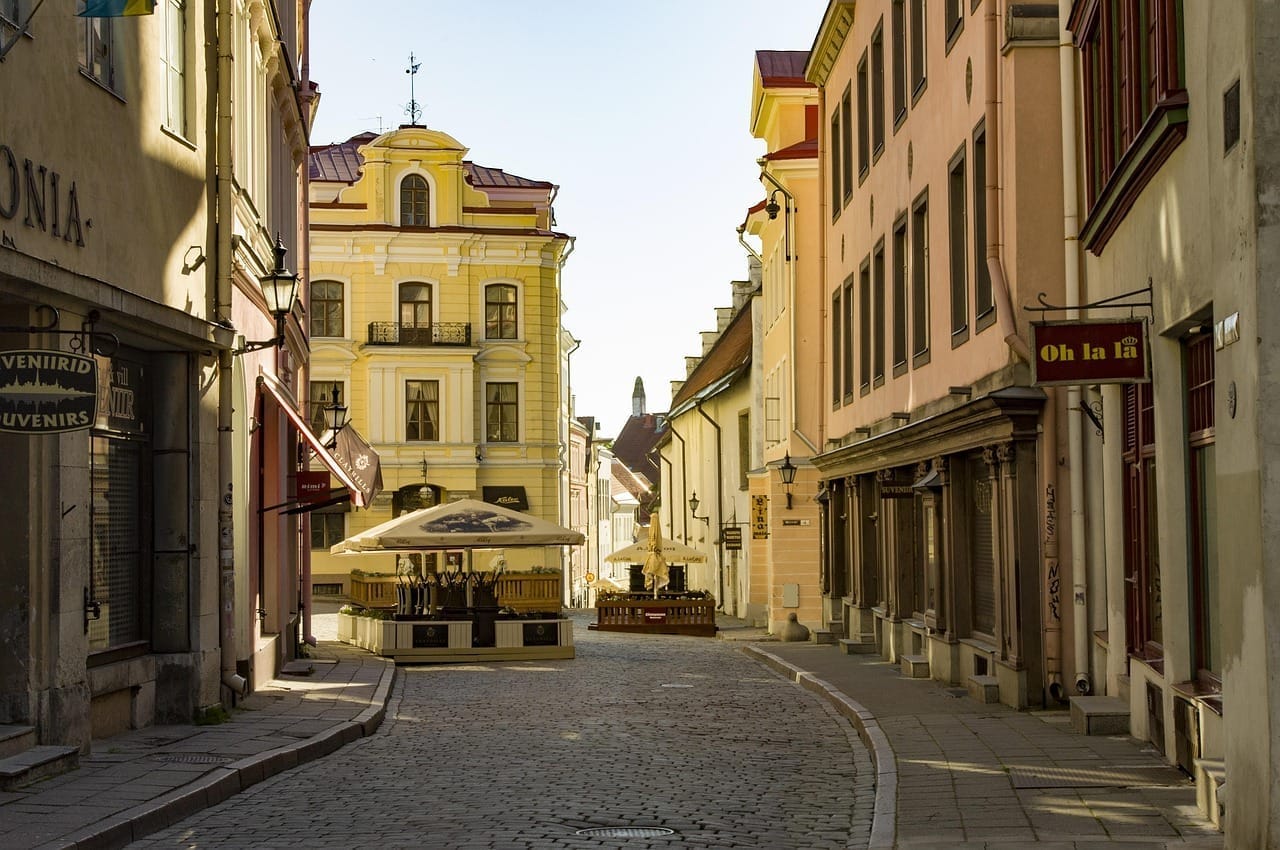
Christmas markets in Tallinn's Old Town offer excellent opportunities to sample traditional holiday foods. Mulled wine (hõõgvein), roasted almonds, and hot soup keep visitors warm while browsing crafts. The atmosphere is genuinely magical, with medieval architecture providing the backdrop for centuries-old food traditions.
Appreciating Nordic-Baltic Culinary Philosophy
Understanding Estonian food requires embracing a culinary philosophy different from what you might be used to. This isn't cuisine based on complexity, rich sauces, or exotic ingredients. It's about simplicity, seasonality, and respect for ingredients. The best Estonian dishes let you taste the forest, the sea, and the farm without unnecessary intervention.
This approach aligns with the broader Nordic food movement, but with distinct Baltic characteristics. While Scandinavian cuisine trends toward refinement and minimalism, Estonian food retains a heartier, more rustic quality. It's less concerned with aesthetics and more focused on satisfaction and nutrition. There's a practical wisdom here that comes from centuries of making the most of limited resources.
The fermentation and preservation techniques that defined Estonian cuisine for generations are now recognized globally as both healthy and flavorful. What was born from necessity has become celebrated as culinary innovation. The local, seasonal eating that Estonians never stopped practicing is now the goal of conscious consumers worldwide.
For expats and digital nomads, engaging with Estonian food culture offers unexpected rewards. It connects you to the place in ways that tourist attractions never could. Learning to identify mushrooms, understanding seasonal rhythms, and appreciating preserved foods creates a deeper relationship with your adopted home. The initial strangeness of dishes like blood sausage or jellied meat gives way to genuine appreciation once you understand their context and craftsmanship.
Practical Tips for Exploring Estonian Cuisine
Start with the less challenging dishes if you're new to Estonian food. Black bread, smoked fish, and simple pork preparations are delicious and approachable. Work your way up to blood sausage and jellied meat once you've developed a taste for the flavor profiles.
Visit markets early in the morning when selection is best, and vendors are most willing to chat. Don't be afraid to ask questions or request samples. Most Estonian vendors appreciate genuine interest in their products and are happy to explain preparation methods or suggest recipes.
Try to time your visit or explorations with seasonal events. The Christmas markets in December, Midsummer celebrations in June, and mushroom season in September offer unique culinary experiences you won't find other times of year. Food festivals throughout the year showcase traditional and modern Estonian cooking.
Learn a few Estonian words related to food. While most people in Tallinn speak English, knowing basics like tänan (thank you), maitseb (it tastes good), and palun (please) shows respect and often results in better service and recommendations.
Consider taking a food tour or cooking class focused on Estonian cuisine. Several companies offer experiences that include visiting markets, meeting producers, and learning to prepare traditional dishes. These provide context and cultural understanding, enhancing your appreciation of the food.

Supporting Your Move to Estonia
If exploring Estonian food culture has you considering a move to this fascinating Baltic country, you're not alone. The combination of excellent food, digital infrastructure, and quality of life attracts people from around the world. However, relocating internationally involves numerous practical considerations beyond culinary adventures.
Global Citizen Life offers comprehensive Moving Abroad Programs designed to help you navigate the complexities of international relocation. Whether you're interested in Estonia's Digital Nomad Visa, E-Residency, or other pathways, having expert guidance makes the process significantly smoother.
We provide three types of support: one-time strategy calls where you can discuss your specific situation and get immediate clarity on next steps; six country-specific Moving Abroad Masterclasses that dive deep into visa requirements, housing, healthcare, and cultural integration; and private coaching and consulting for those who want hands-on support throughout their relocation journey.
Living in Tallinn has exceeded my expectations in countless ways, and food culture has been a major part of that satisfaction. Whether you're here for six months on a Digital Nomad Visa or planning to stay permanently, understanding and appreciating Estonian cuisine will enrich your experience immeasurably. Learn more about our programs at https://www.globalcitizenlife.org/programs
Enjoying The Estonian Food Culture
Estonian food culture reveals itself slowly, rewarding patience and open-mindedness. What initially seemed like a limited culinary landscape has proven to be rich, diverse, and deeply connected to nature and tradition. From the humble black bread that appears at every meal to the sophisticated New Nordic interpretations at Michelin-recognized restaurants, Estonian cuisine offers something for everyone.
The seasonal rhythm of Estonian eating, foraging in spring, celebrating abundance in summer, preserving in autumn, and savoring comfort in winter, creates a connection to place that transcends mere sustenance. Food becomes a language through which you understand Estonian history, values, and identity.
As someone who relocated here primarily for the digital infrastructure and professional opportunities, I've been surprised by how much the food culture has enhanced my experience. It's given me reasons to explore forests, engage with locals at markets, and participate in seasonal traditions. Estonian cuisine has made this Baltic country feel like home in ways I never anticipated.
Whether you're planning a visit, considering relocation, or already living in Estonia, I encourage you to dive deeply into the food culture. Venture beyond the tourist-focused restaurants, shop at local markets, try the challenging dishes, and ask questions. The rewards are substantial, and your relationship with Estonia will be all the richer for it.
Written by Markus Bell.
Markus is a Canadian software engineer who traded Vancouver's rain for Tallinn's digital innovation. After relocating to Estonia in search of a tech-forward lifestyle, affordable living, and straightforward residency options, he discovered a vibrant Baltic hub that exceeded expectations. Now based in Tallinn, Markus writes about digital nomad life, Estonian culture, and the practicalities of building a life in one of Europe's most connected countries.
Read all our articles about Estonia here.
Global Citizen Life
© 2023 Global Citizen Life
All rights reserved