
Dubai vs. Abu Dhabi: Which Emirate Suits Your Executive Lifestyle Better?
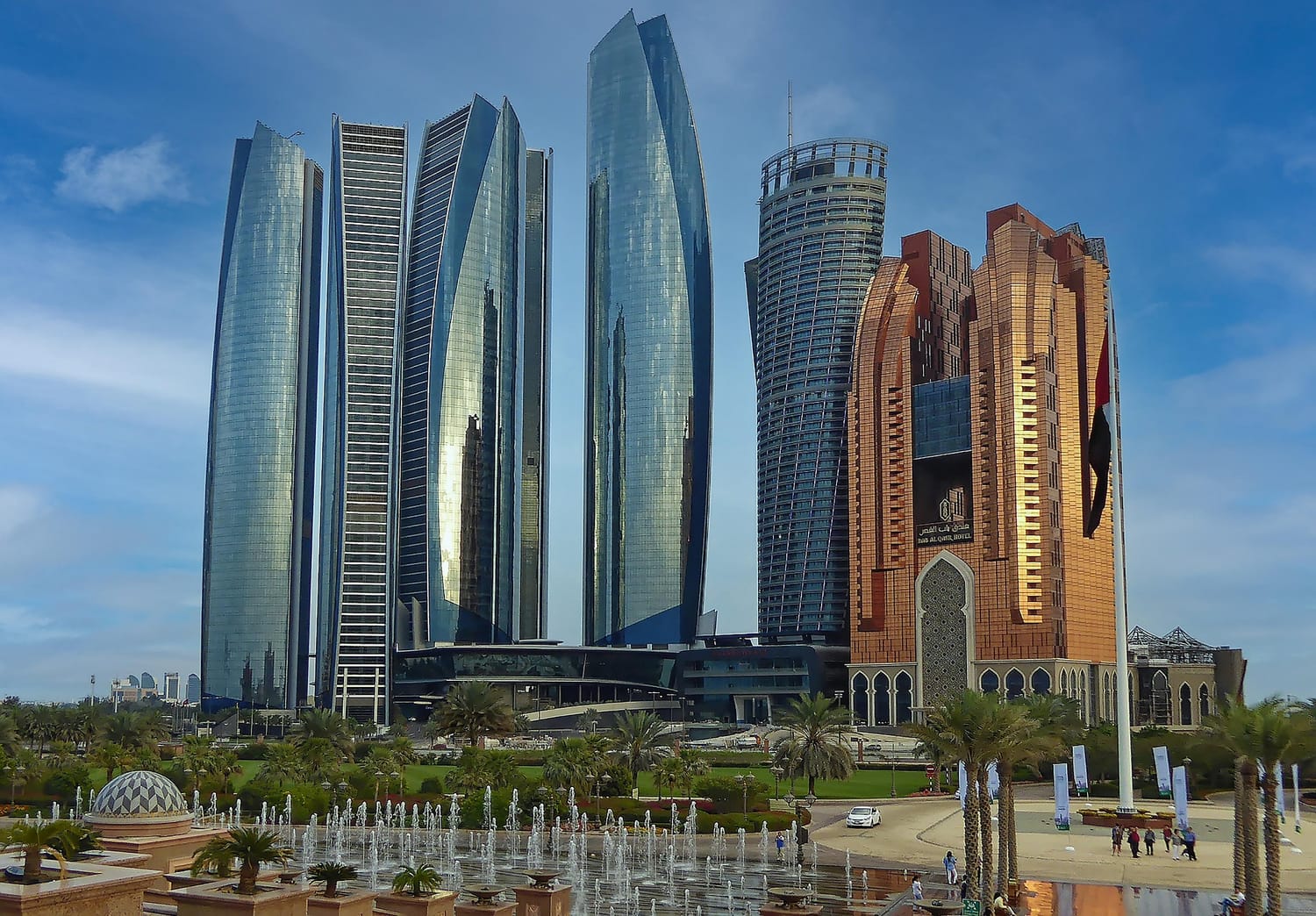
When I first considered relocating to the UAE, the choice between Dubai and Abu Dhabi felt deceptively simple. One was the flashy commercial hub I'd seen in countless business magazines, the other the dignified capital I barely knew anything about. Five years into my UAE journey, having worked extensively in both cities and maintained residences in each, I can tell you the reality is far more nuanced than the stereotypes suggest.
Both emirates offer exceptional opportunities for ambitious professionals, but they cater to fundamentally different lifestyles and career trajectories. The decision isn't about which city is objectively better; it's about which one aligns with your professional ambitions, personal values, and vision for your life abroad. Let me walk you through what I've learned about navigating this critical choice.
The Professional Landscape: Where Your Career Thrives
Dubai operates at a different velocity than Abu Dhabi. The energy here is palpable; you feel it in every networking event, every business district, every conversation over coffee at a DIFC café. This is where deals happen quickly, where entrepreneurship is celebrated almost religiously, and where your professional network can expand exponentially if you're willing to put yourself out there.
The city has positioned itself as the Middle East's undisputed business capital, and the opportunities reflect that ambition. If you're in finance, technology, real estate, luxury retail, hospitality, or professional services, Dubai offers a depth of opportunities that's difficult to match. The sheer concentration of multinational corporations, regional headquarters, and high-growth startups creates a professional ecosystem where lateral moves, upward mobility, and career pivots happen with surprising frequency.
I've watched colleagues make career leaps in Dubai that would have taken a decade in London or New York. The city rewards hustle, networks, and calculated risk-taking. Your ability to connect, adapt, and deliver results matters more than traditional hierarchies or lengthy tenure.
Abu Dhabi presents a markedly different professional environment. This is the seat of government, the home of sovereign wealth funds managing hundreds of billions in assets, and the center of the UAE's oil and gas industry. The professional culture here is more measured, more strategic, and, frankly, more closely aligned with government priorities and long-term national development goals.
If your expertise lies in energy, aerospace, defense, government relations, infrastructure development, or you're seeking positions with major state-backed entities like Mubadala, ADNOC, or the Abu Dhabi Investment Authority, this is where the most significant opportunities exist. The compensation packages at these organizations often exceed what you'll find at comparable private sector roles in Dubai, and the stability is considerably higher.
Abu Dhabi also appeals to professionals who value substance over flash. The business culture tends to be more conservative, relationships take longer to develop, and there's less tolerance for the aggressive self-promotion that's almost mandatory in Dubai. If you're the type of executive who prefers building deep, strategic partnerships over collecting hundreds of LinkedIn connections, Abu Dhabi's approach will resonate.
The Financial Reality: Cost of Living and Compensation
Let's address the elephant in the room: both cities are expensive, but they're expensive in different ways and at different scales.
Dubai's reputation as an expensive city is well-earned, particularly if you're trying to maintain the lifestyle the city seems designed to promote. A quality two-bedroom apartment in Dubai Marina, Downtown Dubai, or Business Bay will run you $3,300 to $5,500 per month. Premium areas like Palm Jumeirah or Emirates Hills command monthly rents well into five figures.
But here's what the cost-of-living calculators don't capture: Dubai constantly tempts you to spend. The city's entire infrastructure seems purpose-built for consumption. World-class restaurants, exclusive beach clubs, premium fitness facilities, luxury retail at every turn. It's entirely possible to spend $220 to $330 on a single dinner without even trying. Your weekend brunch habit can easily cost $1,650 per month.
And don't get me started on the unofficial competition to maintain certain lifestyle standards within expat circles.
I've seen executives earning exceptional salaries struggle to save in Dubai, not because they're financially irresponsible, but because the city's social and professional culture makes certain expenditures feel mandatory. That premium gym membership where you network? The business dinners at high-end restaurants? The weekend getaways that everyone discusses on Monday morning? These aren't frivolous expenses; they're often genuine investments in your professional network and social capital.
Abu Dhabi offers a somewhat more measured financial environment. Comparable housing runs about 15 to 20 percent less than in Dubai; you might pay $2,750 to $4,400 for a similar apartment in areas like Al Reem Island, Saadiyat Island, or Al Raha Beach. The dining scene, while increasingly sophisticated, doesn't carry quite the same pressure to constantly participate in high-end experiences.
However, and this is crucial, many senior positions in Abu Dhabi come with compensation packages that more than offset the marginally lower cost of living. Government-linked entities and major corporations often provide generous housing allowances, education support for children, annual flights home, and other benefits that can add 30 to 50 percent to your base salary.
Unlock the secrets of the world's most successful entrepreneurs with the
Global Wealth Navigator Newsletter
Discover the world's best destinations offering a lower cost of living paired with an enriched quality of life with the Global Wealth Navigator Newsletter. Whether you're a retiree or an entrepreneur, we dive into strategies that open doors to international investments, tax optimizations, and discover the finest destinations offering a superior quality of life. Don't let borders or routine define you; lets find your ideal spot in the world, regardless of your income bracket.

Lifestyle and Daily Experience: Beyond the Headlines
Dubai sells a lifestyle of superlatives. Everything is bigger, taller, more luxurious, more Instagram-worthy. And honestly? It delivers. The city offers an almost overwhelming array of entertainment, dining, and leisure options. You can ski in the morning, visit the beach club in the afternoon, and attend a world-class concert in the evening.
The social scene is vibrant and accessible, particularly for professionals. Networking events, industry gatherings, and social clubs operate constantly. Making connections is remarkably easy; sustaining deep friendships requires more effort, as the transient nature of Dubai's expat population means constant turnover.
The city's diversity is genuinely exceptional. My professional network includes colleagues from over 40 countries, and this multicultural fabric creates a unique international environment that's difficult to replicate elsewhere. You'll attend Diwali celebrations, Eid gatherings, Christmas parties, and Chinese New Year events, often in the same month.
However, Dubai's intensity can be exhausting. The city never stops. The summer heat, reaching 40 to 45°C (104 to 113°F), essentially confines you to air-conditioned spaces from June through September. The traffic, particularly during rush hours on Sheikh Zayed Road, can be soul-crushing. And the underlying competitiveness, while professionally motivating, can feel relentless on a personal level.
Abu Dhabi offers a notably different daily experience. The city feels more spacious, less congested, and frankly, more livable in a conventional sense. Traffic is manageable. The pace is slower without being sluggish. You can actually find parking.
The cultural offerings have expanded dramatically in recent years. The Louvre Abu Dhabi is world-class. Saadiyat Island is developing into a genuine cultural district. The dining scene, while not matching Dubai's breadth, offers exceptional quality at the high end and better value in the mid-range.
What Abu Dhabi lacks in sheer variety, it compensates for with a more grounded atmosphere. The expat community, while still transient, tends toward longer tenures and deeper roots. Families are more prevalent. The vibe is less about being seen and more about genuinely living.
For executives with families, Abu Dhabi often edges out Dubai. The international schools are excellent, with institutions like GEMS American Academy and Cranleigh Abu Dhabi offering outstanding education. The beach access is better, with cleaner, less crowded coastlines. The parks and public spaces feel more designed for actual use rather than Instagram opportunities.
The Weather Reality: Beyond the Statistics
Both cities share the UAE's challenging climate, but there are subtle differences worth understanding. Dubai's urban heat island effect, created by massive development and limited green space, can make summer temperatures feel even more oppressive than the thermometer suggests. Humidity levels, particularly in coastal areas, regularly exceed 90 percent during the summer months.
Abu Dhabi benefits from better coastal breezes and slightly more green space, making the heat marginally more tolerable. The difference isn't dramatic, but during the brutal summer months, even small advantages matter.
Both cities are glorious from November through March, with temperatures ranging from 18 to 28°C (64 to 82°F), making outdoor activities genuinely enjoyable. This is when the UAE's lifestyle proposition truly shines, and when you'll understand why people tolerate the summer extremes.
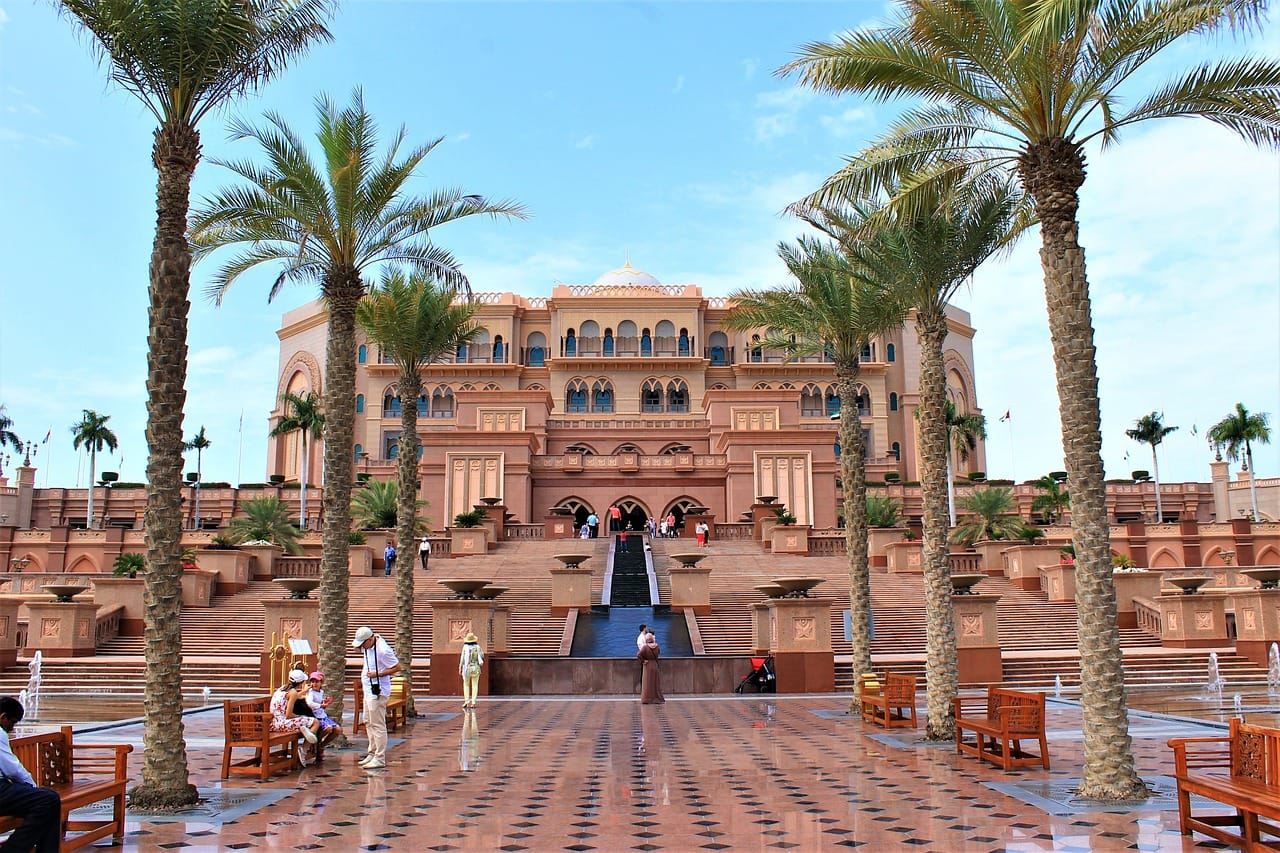
Transportation and Infrastructure: The Practical Considerations
Dubai's infrastructure is better developed for public transportation. The Metro system, while limited in coverage, works efficiently for specific corridors. Taxis and ride-sharing services are abundant and relatively affordable, with typical cross-city journeys costing $11 to $22.
That said, you'll almost certainly need a car in Dubai. The city's horizontal sprawl makes car-free living impractical for most professionals.
Expect to spend $880 to $1,320 monthly on vehicle payments, insurance, and fuel for a quality executive sedan.
Abu Dhabi lacks Dubai's Metro system, making car ownership even more essential. However, the roads are better maintained, traffic flows more smoothly, and parking is significantly easier. The city feels designed for cars, making daily logistics less frustrating than in Dubai.
Business Environment and Networking
Dubai's business environment is predicated on constant networking. The city hosts hundreds of professional events monthly, from formal industry conferences to casual networking gatherings. Organizations like the British Business Group, American Business Council, and countless industry-specific associations operate actively.
This creates remarkable opportunities for professional development and business generation, but it also demands significant time investment. Successful executives in Dubai typically attend multiple events each week, and these often run late into the evening.
Abu Dhabi's business culture operates differently. Networking happens, but it's more structured around formal introductions, government forums, and industry-specific events. The gatekeeping is more pronounced; access to key decision-makers often requires proper introductions and established credibility.
This can feel restrictive initially, but it also means the connections you do establish tend to be more substantial. Business relationships in Abu Dhabi develop slowly but can prove remarkably durable and valuable over time.
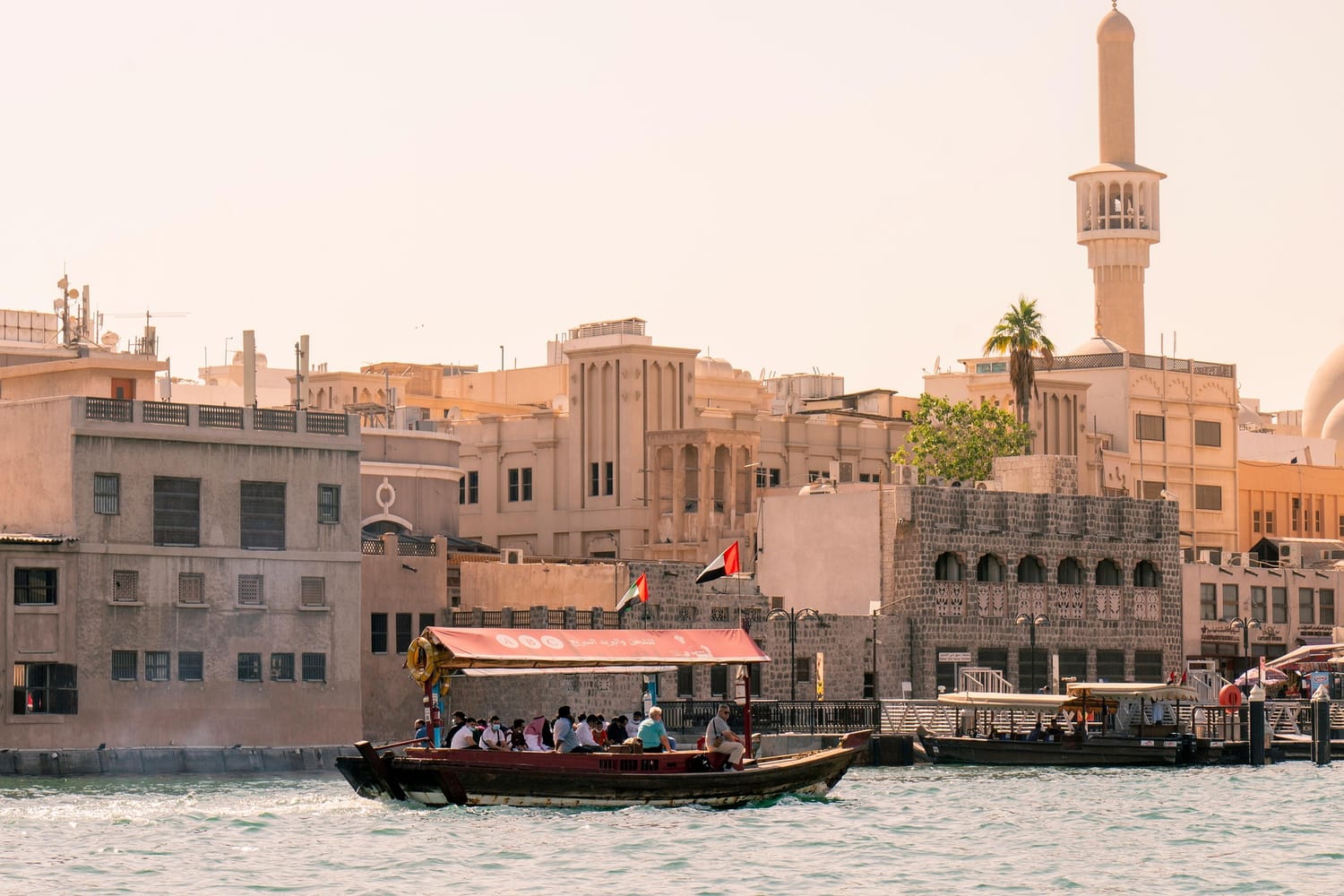
The Integration Question: Finding Your Community
Neither city requires significant cultural integration in the way that relocating to, say, Tokyo or São Paulo might. The UAE's expat-friendly approach means you can maintain your lifestyle with relatively minor adjustments.
However, Dubai's overwhelming expat majority (over 85 percent) creates a somewhat rootless environment. You're part of a global professional class rather than guests in an Emirati city. This has advantages; you'll rarely feel like an outsider. But it can also create a sense of impermanence and disconnection.
Abu Dhabi maintains a stronger Emirati presence and cultural identity. You'll have more opportunities to understand local culture, traditions, and perspectives. The government actively promotes Emirati heritage, and there's greater emphasis on respectful integration with local norms.
Making Your Decision: Questions to Consider
After years in both cities, I've developed a framework for helping colleagues evaluate this choice:
Choose Dubai if you're energized by intensity, thrive in competitive environments, prioritize career velocity over stability, enjoy constant social engagement, value maximum lifestyle variety, work in sectors where Dubai dominates (finance, technology, hospitality, professional services), are willing to trade savings for experiences, or prefer a more international, less locally-rooted environment.
Choose Abu Dhabi if you prefer measured growth over rapid advancement, value work-life balance and genuinely achievable separation between professional and personal time, prioritize family-friendly environments and excellent schools with less social pressure, work in energy, government-linked sectors, aerospace, or defense, appreciate substance over spectacle in both business and lifestyle, want stronger compensation packages with comprehensive benefits, prefer deeper professional relationships over broad networks, or seek a more sustainable long-term lifestyle with better saving potential.
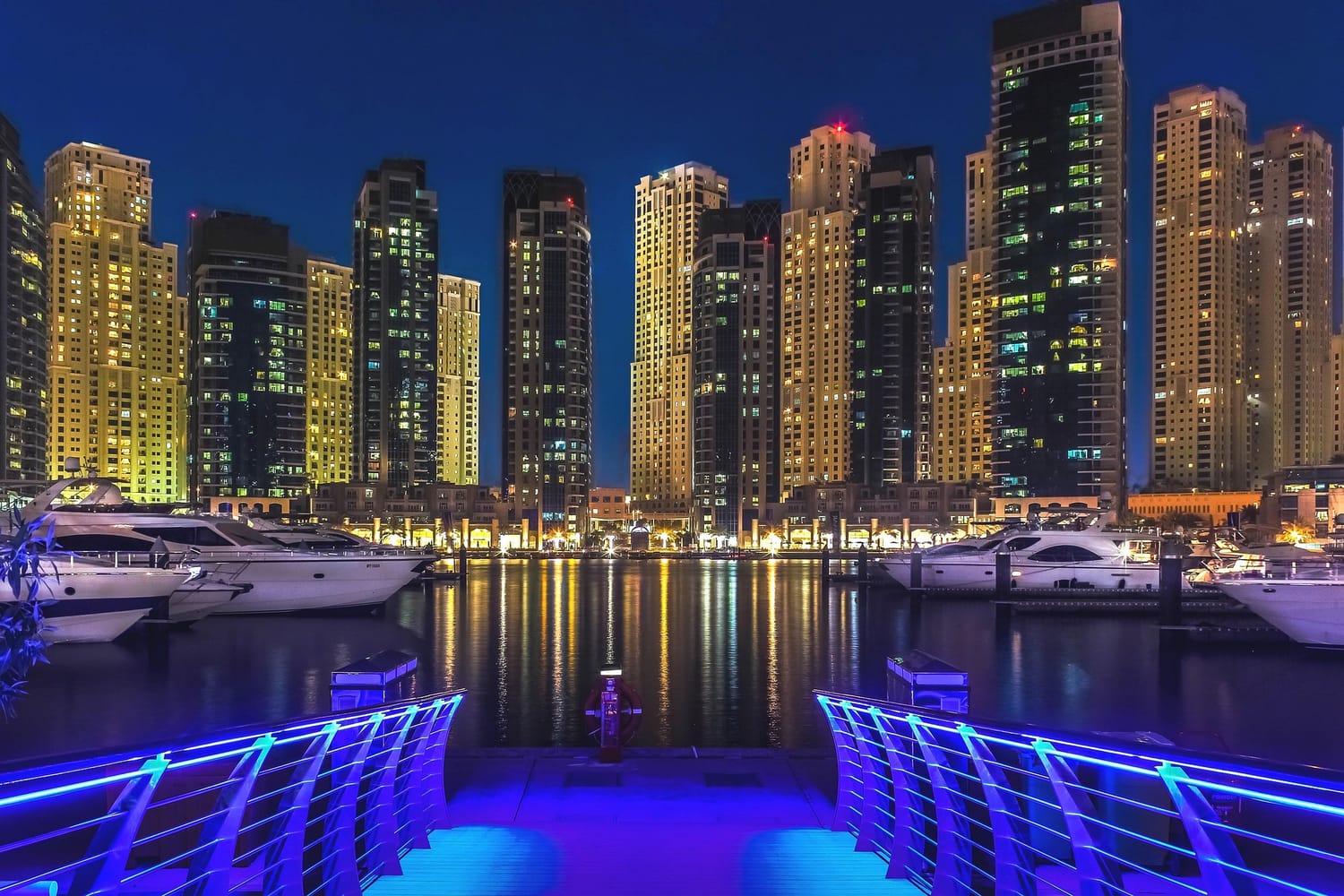
The Hybrid Approach: A Third Option
Here's what many executives don't consider initially: you don't have to choose permanently. The cities are only 90 minutes apart by car, with frequent bus services and eventual rail connections. Some professionals maintain their primary residence in one city while working in the other, particularly if their employer offers flexible arrangements.
Others start in one city to establish their career foundation, then relocate to the other as their priorities evolve. I know several executives who launched in Dubai for professional opportunities, then moved to Abu Dhabi once they started families and sought a more balanced lifestyle.
The beauty of the UAE is that both options remain accessible. Your career can span both emirates, allowing you to extract value from each city's unique advantages at different life stages.
Support for Your UAE Relocation Journey
Navigating the complexities of relocating to the UAE requires more than just understanding the differences between Dubai and Abu Dhabi. Whether you're evaluating career opportunities, negotiating compensation packages, or planning your integration strategy, expert guidance can dramatically improve your outcomes and reduce costly mistakes.
Global Citizen Life offers comprehensive Moving Abroad Programs designed specifically for professionals making international relocations. Our programs include one-time strategy calls for focused decision-making support, six country-specific Moving Abroad Masterclasses, and private coaching and consulting for personalized guidance throughout your relocation journey.
Learn more about how our programs can support your relocation here.
The Bottom Line
Dubai and Abu Dhabi aren't simply two cities in the same country; they represent fundamentally different propositions for your career and lifestyle. Dubai offers velocity, variety, and visibility. Abu Dhabi provides stability, substance, and sustainability.
Neither choice is inherently superior. The decision depends entirely on your professional objectives, personal values, life stage, and an honest self-assessment of the environment that allows you to perform at your best.
What I can tell you with certainty is this: both cities offer exceptional opportunities for the right person with the right mindset. The UAE's continued growth and global significance mean that professionals who position themselves strategically in either emirate can build remarkable careers and lives.
The key is making an informed choice based on genuine self-knowledge rather than superficial impressions or what looks good on social media. Visit both cities if possible. Talk to professionals working in your industry in each location. Consider not just where you want to be next year, but where you want to be in five or ten years.
Your UAE journey will be shaped far more by how well your chosen city aligns with your authentic priorities than by which emirate claims more superlatives in the guidebooks.
Written by Jonathan Fraser
Jonathan is a logistics executive from the UK who relocated to Dubai to accelerate his career and expand his global business network. With years of experience navigating the UAE's dynamic business landscape, Jonathan writes about high-performance expat life, strategic career opportunities, and finding the balance between luxury and practical living in the Emirates. His insights help ambitious professionals understand what it truly takes to thrive in one of the world's most competitive and rewarding expat destinations.
Read all our articles about the UAE here.
Global Citizen Life
© 2023 Global Citizen Life
All rights reserved