
Cyprus Residency Options Explained: Which Path I Chose and Why
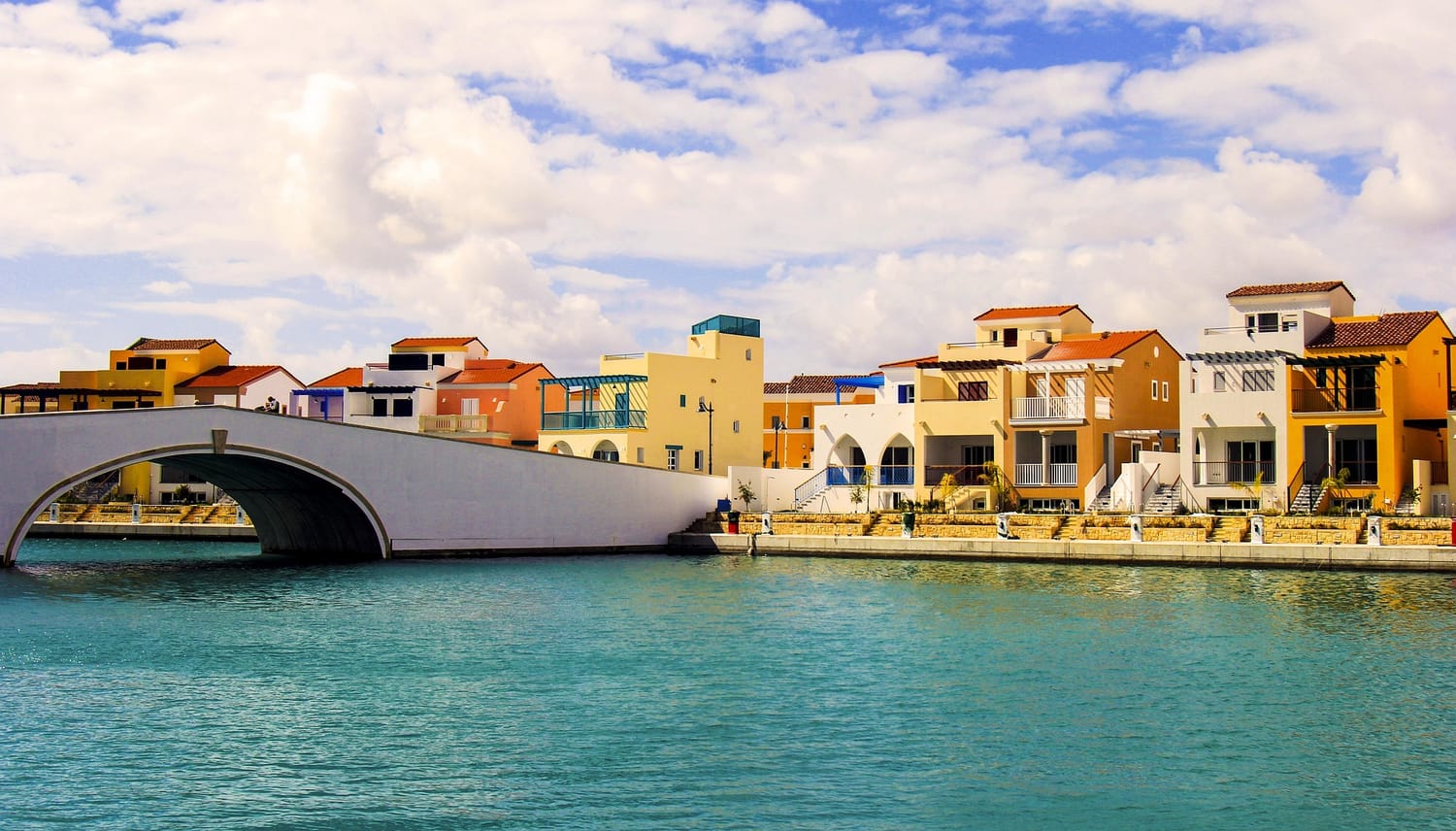
When I first started looking into making Cyprus my permanent home, the residency options felt overwhelming. Pink Slips, Yellow Slips, Permanent Residency, Fast Track, Digital Nomad Visas; every forum and expat group seemed to offer conflicting advice. It took time, research, and a few conversations with local professionals before I understood which path was right for me.
If you're considering a move to Cyprus, or if you've already arrived and are trying to sort through your options, this article breaks down the main residency pathways, what they require, and why I ultimately chose the route I did.
Understanding the Basics: EU vs. Non-EU Citizens
The first and most important distinction in Cypriot residency is whether you hold an EU passport or not. This single factor determines which pathways are available to you.
EU Citizens
As a UK citizen (pre-Brexit transition), I initially had straightforward access to Cyprus as an EU member. Post-Brexit, UK citizens are now classified as non-EU, but during my transition period, I was able to secure residency under EU rules. If you hold an EU passport from another member state, you have the right to reside in Cyprus freely, though you'll still need to register and obtain a residency certificate if you plan to stay longer than three months.
Non-EU Citizens
Non-EU citizens, including those from the UK, US, Canada, Australia, and most other countries, need to apply for a specific residency permit. The good news is that Cyprus offers several pathways, each tailored to different circumstances and investment levels.
The Main Residency Pathways
1. Category F (Permanent Residency for Self-Sufficient Individuals)
This is one of the most popular options for retirees, remote workers, and those with independent income. Category F allows you to live in Cyprus permanently without needing to work locally.
Requirements:
• Proof of stable annual income of at least €27,500 (approximately $30,250 at 10% increase), plus an additional €5,500 ($6,050) per dependent.
• Purchase or rent property in Cyprus (minimum purchase value of around €330,000 or rental income requirements).
• Health insurance covering Cyprus.
• Commitment not to work in Cyprus (though remote work for companies outside Cyprus is permitted).
Why this works well: It's ideal for remote professionals, retirees, or those living off investment income. The income threshold is reasonable, and the prohibition on local employment doesn't affect those earning remotely.
2. Digital Nomad Visa
Introduced in 2022, this visa is tailored for remote workers and freelancers who can work from anywhere and wish to base themselves in Cyprus for up to a year.
Requirements:
• Proof of employment or freelance work with a company or clients outside Cyprus.
• Minimum monthly income of €3,500 (approximately $3,850).
• Health insurance.
• Proof of accommodation (rental contract or property ownership).
Why this works well: Perfect for younger professionals or those wanting to test Cyprus for a year before committing to permanent residency. It's renewable and relatively quick to process.
3. Pink Slip (Temporary Residency)
The Pink Slip is a temporary residency permit typically issued to individuals with specific visas or transitional statuses. It's often the first step for people who will eventually move to permanent residency or another pathway.
Why this works well: It offers flexibility during your first year in Cyprus while you sort out longer-term arrangements.
4. Yellow Slip (Registration Certificate for EU Citizens)
If you're an EU citizen, you'll receive a Yellow Slip after registering your residence. This is essentially proof that you've declared your intention to stay and have met the basic requirements (proof of income, insurance, etc.).
Why this works well: Simple, straightforward, and gives you full access to live and work in Cyprus.
5. Fast Track Residency (Category 6.2)
For those willing to make a significant property investment, the Fast Track option offers permanent residency within about two months.
Requirements:
• Purchase property worth at least €330,000 (approximately $363,000).
• Proof of stable annual income of at least €55,000 (approximately $60,500).
• Health insurance and a clean criminal record.
Why this works well: The fast processing time appeals to those who want certainty and have the capital. It's particularly suited to high-net-worth individuals and families.
Unlock the secrets of the world's most successful entrepreneurs with the
Global Wealth Navigator Newsletter
Discover the world's best destinations offering a lower cost of living paired with an enriched quality of life with the Global Wealth Navigator Newsletter. Whether you're a retiree or an entrepreneur, we dive into strategies that open doors to international investments, tax optimizations, and discover the finest destinations offering a superior quality of life. Don't let borders or routine define you; lets find your ideal spot in the world, regardless of your income bracket.

Which Path I Chose and Why
I chose Category F (Permanent Residency for Self-Sufficient Individuals), and it's been the right fit for my situation. As a remote marketing consultant with clients based outside Cyprus, I didn't need the right to work locally. What I needed was stability, the ability to base myself permanently in one place, and the freedom to travel without visa complications.
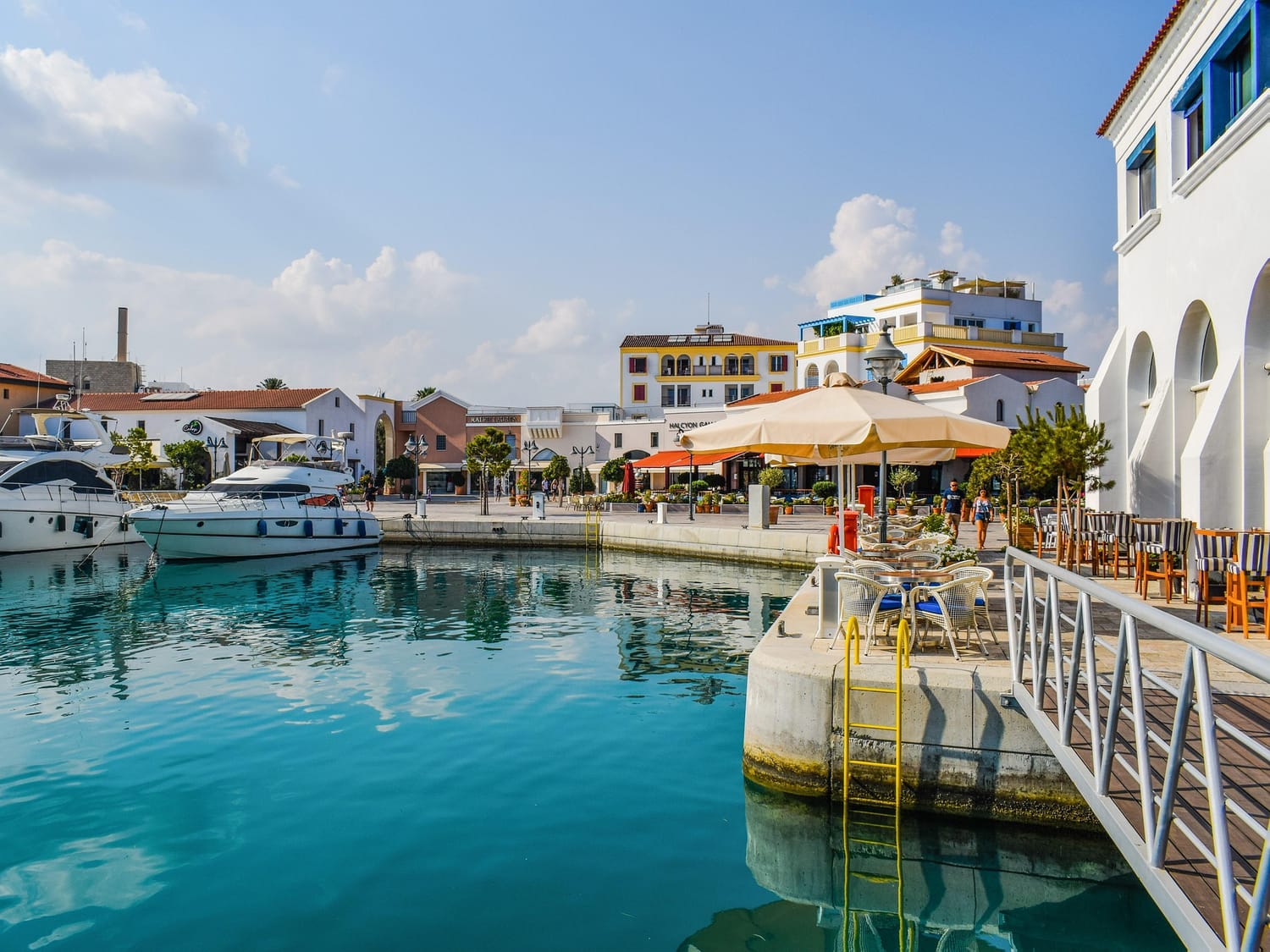
The income requirement was manageable given my consulting work, and purchasing a property in Limassol felt like a natural step rather than a burden. I was ready to commit to Cyprus long-term, so the property investment made sense for both residency and building a life here.
The application process took around four to five months from start to finish. I worked with a local lawyer who helped ensure all documents were correctly prepared and submitted. While it's possible to do this yourself, the relatively small investment in legal support gave me peace of mind and sped things up considerably.
Practical Considerations When Choosing Your Pathway
1. Your Income Source
If you work remotely or have passive income, Category F or the Digital Nomad Visa will likely be your best bet. If you plan to work locally or start a business in Cyprus, you'll need a different type of permit that allows local employment.
2. Your Timeline
The Digital Nomad Visa can be processed relatively quickly, often within weeks, making it ideal if you want to get settled fast. Category F takes longer (typically four to six months), while the Fast Track option lives up to its name with processing in around two months.
3. Your Budget
The Fast Track option requires a significant upfront property investment and proof of higher income. Category F is more accessible but still requires either property purchase or a long-term rental commitment. The Digital Nomad Visa has the lowest financial barrier to entry, but doesn't offer permanent residency.
4. Your Long-Term Plans
If you're testing the waters, the Digital Nomad Visa gives you a year to see if Cyprus is right for you. If you're ready to commit, Category F or Fast Track offers permanent solutions with the stability and peace of mind that come with it.

Common Misconceptions About Cyprus Residency
"You need to buy expensive property to qualify."
Not necessarily. While the Fast Track requires a €330,000 property purchase, Category F allows for rental options, and the Digital Nomad Visa simply requires proof of accommodation.
"You can't work at all once you have residency."
Category F restricts local employment, but remote work for companies outside Cyprus is perfectly acceptable. Many digital nomads and consultants thrive under this arrangement.
"The process is too complicated to do without an agent."
While hiring a lawyer or immigration consultant certainly helps, it's not strictly necessary. If you're comfortable with paperwork and research, the process is manageable. That said, professional assistance can save time and reduce stress, particularly if you're unfamiliar with Cypriot bureaucracy.
Life After Residency: What Changes
Once your residency is approved, life becomes much simpler. You can open a local bank account easily, register for healthcare, and settle into your new home without the lingering uncertainty of visa expiration dates. For me, having permanent residency brought a sense of belonging that's hard to quantify. It's not just about legal status. It's about knowing that Cyprus is now home, not just a temporary stop.
There are also practical benefits. I can travel freely within the Schengen Area, return to Cyprus without complications, and integrate more fully into the community. It's made a real difference in how I approach life here.
Final Thoughts
Choosing the right residency pathway depends on your circumstances, goals, and timeline. For me, Category F offered the perfect balance of flexibility, permanence, and financial feasibility. It allowed me to continue working remotely while building a stable, long-term life in Cyprus.
If you're considering the move, take the time to understand each pathway, consult with professionals if needed, and choose the one that aligns with your priorities. Cyprus is welcoming to expats, and the residency process, while requiring patience and preparation, is ultimately straightforward and rewarding.
Need Support with Your Move to Cyprus?
If you're serious about relocating to Cyprus or another country, Global Citizen Life offers tailored support through our Moving Abroad Programs. We provide three options for one-time strategy calls to help clarify your path, six country-specific Moving Abroad Masterclasses covering everything from visas to cost of living, and private coaching and consulting for those who want hands-on guidance throughout the entire relocation process. Whether you're just beginning to explore your options or ready to take concrete steps, we're here to help make your transition as smooth as possible.
Written by Elena Markham
Elena is originally from Brighton, England. She relocated to Limassol, Cyprus, in search of sunshine, simplicity, and a more intentional way of living. A remote marketing consultant and lifestyle writer, she shares honest insights into everyday life on the island, from housing and healthcare to work–life balance and expat community life. Elena helps readers understand what living in Cyprus is really like and whether it could be the right fit for them.
Read all our articles about Cyprus here.
Global Citizen Life
© 2023 Global Citizen Life
All rights reserved