
Cultural Surprises Every North American Faces When Moving to France
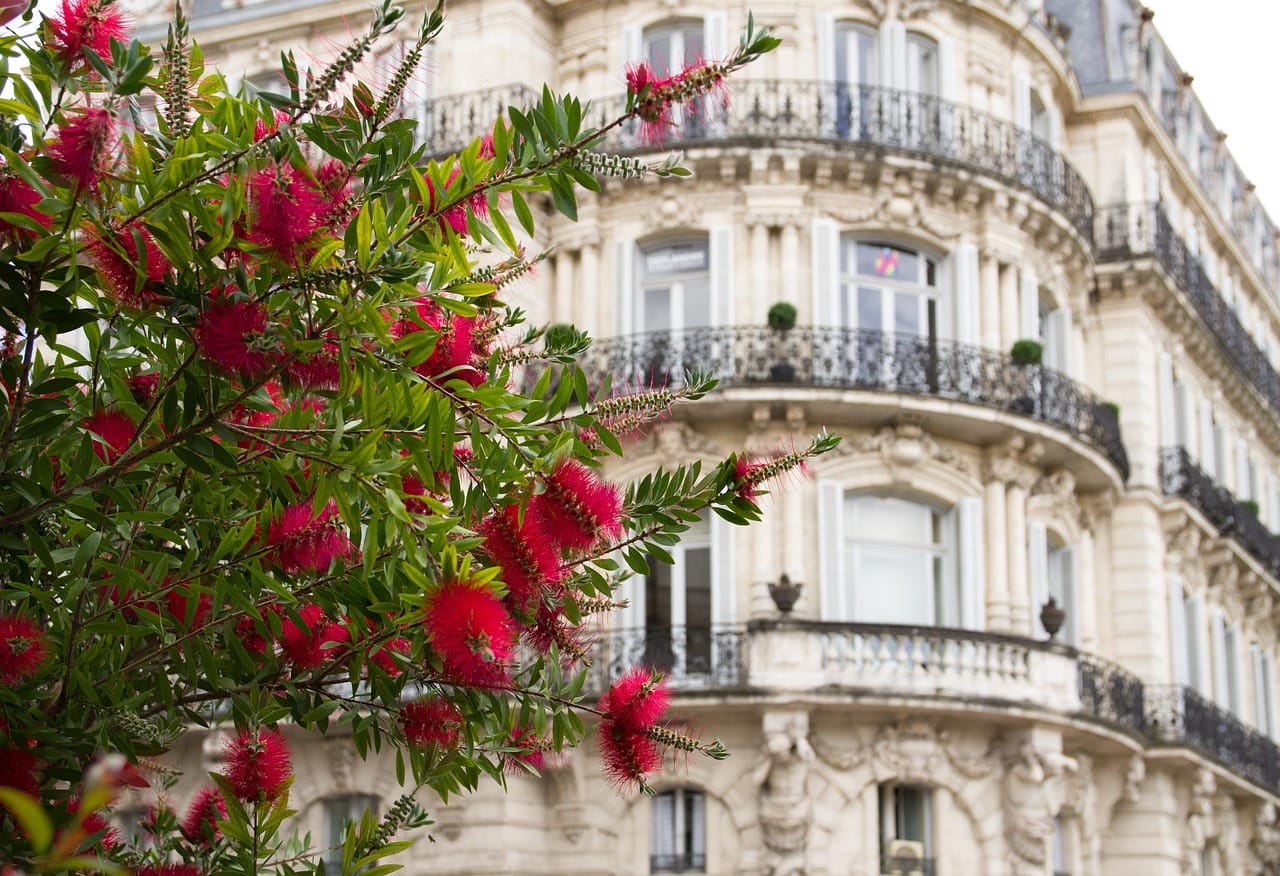
I remember standing in the produce section of my neighborhood Carrefour during my first week in Montpellier, utterly paralyzed. Not because I couldn't find what I needed, the tomatoes were right there, ruby-red and fragrant. No, I was frozen because I'd made the cardinal error of touching one before purchasing it. The woman beside me had actually gasped. Actually gasped. As if I'd committed an act of violence against the vegetable itself.
That moment, mortifying as it was, marked the beginning of my real education in French culture. Because here's what no one tells you before you move to France: you can read every guidebook, take every language class, watch every film set in Paris or Provence, and still find yourself utterly bewildered by the everyday realities of French life.
After three years of living in the south of France, I've compiled what I wish I'd known. Not the obvious differences, but the subtle cultural currents that catch every North American off guard.
The Formality That Feels Like Distance
North Americans pride themselves on their friendliness. We smile at strangers, make small talk in elevators, and can strike up a conversation with anyone in a coffee shop line. We interpret this as warmth, as being good people.
The French see it differently. Very differently.
In France, particularly outside Paris, that automatic friendliness reads as superficial at best, suspicious at worst. Why would you smile at someone you don't know? What do you want from them? The cultural assumption is that authentic relationships take time, often years to develop. Quick friendships are met with the same skepticism we might reserve for a used-car salesman.
During my first months here, I interpreted this reserve as coldness. I'd walk into my local boulangerie with my brightest smile and cheerful "Bonjour!" only to receive a curt nod in return. I felt invisible, unwelcome. My Canadian sensibilities were deeply offended.
Then, slowly, something shifted. After six months of the same curt nods, the baker began asking if I wanted "the usual." After a year, she commented on the weather. After eighteen months, she told me her daughter was getting married. Now, three years in, we have actual conversations. She saves me the best croissants on Saturday mornings. She asked about my health when I was away for two weeks.
This is French friendship: slow to kindle, but steady once lit. The formality isn't a matter of distance; it's respect for boundaries. Once you've crossed those boundaries, you've been admitted to an inner circle that North Americans rarely maintain with such dedication.
The Bureaucracy That Defies Logic
I thought I understood bureaucracy. I'd dealt with Ottawa, after all. I'd renewed passports, filed taxes, and navigated health insurance claims.
I believed myself prepared.
French bureaucracy is a different species entirely.
Opening a bank account required: proof of address (which I couldn't have without a lease), proof of income (which I couldn't establish without a bank account), a birth certificate (translated by an approved translator, naturally), and three separate in-person appointments. The final appointment was set for six weeks after the first. When I asked why, the response was a Gallic shrug: "C'est comme ça." It is how it is.
Getting my residency card involved a 47-page application, submitted to an office that was open only on Tuesday and Thursday mornings, between 9:00 and 11:30. Not 11:45. Not noon. Precisely 11:30. I submitted my complete application, or so I thought. Only to be told I was missing a document I'd never been informed I needed. The wait to resubmit? Another three months.
Here's what I learned: French bureaucracy operates on its own timeline and logic. Fighting it only raises your blood pressure. Instead, adopt what I call the "long view strategy." Start any official process months before you actually need the result. Photocopy everything, twice. Accept that some systems are designed to require multiple visits, not out of incompetence, but because that's simply how they function.
The French navigate this with a particular kind of patient persistence. They don't expect efficiency; they expect process. Once I adjusted my expectations, the frustration diminished considerably. Now I bring a good book to appointments and consider it found time for reading.

If you're seriously considering a move to France, I encourage you to explore our Move to France Masterclass. This comprehensive online course provides detailed guidance on every aspect of relocating to France, from visa applications and housing searches to cultural integration and community building. Learn from experts and experienced expats who have successfully navigated the journey you're contemplating.
The Unspoken Rules of Social Interaction
Beyond the famous "bonjour" requirement lies a whole ecosystem of social protocols that North Americans typically violate without realizing it.
Take the simple act of entering a shop. In North America, we might browse quietly, approach the counter when ready, and make our purchase with minimal interaction. In France, this would be considered breathtakingly rude. You must greet everyone, and I mean everyone, when you enter. "Bonjour Madame," "Bonjour Monsieur." If there are customers already being served, you acknowledge them too. "Bonjour, messieurs-dames." When you leave, whether you've purchased anything or not: "Au revoir, bonne journée!"
The first time I witnessed a French friend do the rounds, greeting each stranger in a doctor's waiting room upon arrival and bidding them goodbye upon leaving, I thought she must know them. She didn't. It was simply expected.
Then there's the kissing, la bise. Not a casual peck, but a precise choreography that varies by region. In Montpellier, it's three kisses, starting right. In Paris, it's two. In parts of the north, it's four. Kiss too few times, and you've committed a faux pas. Kiss too many, and you're equally awkward. Men kiss women, women kiss women, and men may or may not kiss men, depending on their relationship and regional customs.
I once went in for a handshake when my French neighbor expected la bise. We both tried to correct mid-gesture. It was mortifying for both of us. Now I follow her lead: wait, watch, and let the French person take the lead.
The Meal as Sacred Ritual
I knew French meals were lengthy affairs. What I didn't understand was that mealtimes are non-negotiable boundaries in French life, protected with the same vigor North Americans reserve for, say, Super Bowl Sunday.
Lunch isn't something you grab between meetings. It's a full stop in the day, typically lasting between 12:00 and 2:00 PM. Shops close. Businesses shut. Try calling a French colleague at 12:30, and you'll understand: this time is sacred. Even fast-food restaurants slow down, because eating quickly defeats the purpose.
The ritual extends beyond timing. Courses follow a specific order: entrée (appetizer), plat (main), fromage (cheese), dessert. Bread is broken, never cut with a knife. Wine accompanies the meal, but excessive drunkenness is frowned upon—the goal is appreciation, not inebriation.
At my first dinner party invitation, I arrived bearing flowers (good), chrysanthemums (very bad —they're for cemeteries), and a bottle of wine (the host seemed puzzled—they'd already chosen wines to pair with each course). I offered to help in the kitchen (insulting to the host's preparation). I complimented the food immediately and effusively (which makes you seem insincere, as if you're surprised it's good).
The proper approach? Arrive no more than 15 minutes late (exactly on time is considered a bit eager). Bring wine, chocolates, or flowers—but not chrysanthemums, carnations (too cheap), or red roses (too romantic). When served, taste first, then offer a simple "C'est délicieux" with genuine appreciation. Stay for coffee. Don't be the first to leave. And send a thank-you text the next day.
The Concept of Privacy That Isn't Cold
North Americans often ask personal questions to show interest. "What do you do?" "Are you married?" "Do you have kids?" We consider this a friendly way of getting to know someone.
In France, these questions are considered intrusive until you've established a genuine rapport. Your profession doesn't define you the way it does in North America. The French prefer to discuss ideas, culture, politics, and philosophy. These abstract topics reveal how you think rather than what you do for money.
I noticed this at a neighborhood gathering. Rather than the typical North American circle of introductions—name, occupation, where you're from—the conversation began with someone mentioning a documentary they'd seen. For the next hour, we debated contemporary art, the education system, and the merits of various cheeses. I left knowing how these people thought about the world, but almost nothing about what they did for a living.
This isn't coldness. It's a different framework for connection. The French want to know your mind before they inquire about your circumstances. Once friendship is established, they'll ask personal questions, but they've earned the right to do so through genuine intellectual engagement first.
The Relationship with Time That Infuriates Us
I scheduled a repair technician for "l'après-midi", the afternoon. In my North American mind, this meant 1:00 PM, maybe 2:00. By 4:30, I was livid. By 5:45, when he finally arrived, I'd nearly given up. His response to my frustration? "But I said afternoon. This is the afternoon."
The French relationship with time operates on a different frequency. Punctuality matters for formal appointments: meetings, medical visits, and official business. But for social engagements and service calls, time is more... fluid. "Around 5:00" means sometime between 5:00 and 6:30. "This week" might stretch into early next week. "Soon" is wonderfully indefinite.
This drove me to distraction until a French friend explained, "You're trying to control time. We're trying to live with it." The French prioritize the quality of the present moment over rigid scheduling. If a conversation is going well, you don't cut it short because you're "due" somewhere else. If a meal is particularly pleasant, you linger. Time serves life, not the other way around.
I've adapted by building in buffer time everywhere and reframing delays as opportunities. That repair technician who came at 5:45? I'd written off the afternoon anyway and read a book I'd been meaning to finish. The flexibility is actually freeing once you stop fighting it.
Unlock the secrets of the world's most successful entrepreneurs with the
Global Wealth Navigator Newsletter
Discover the world's best destinations offering a lower cost of living paired with an enriched quality of life with the Global Wealth Navigator Newsletter. Whether you're a retiree or an entrepreneur, we dive into strategies that open doors to international investments, tax optimizations, and discover the finest destinations offering a superior quality of life. Don't let borders or routine define you; lets find your ideal spot in the world, regardless of your income bracket.

The Direct Communication That Feels Personal
North Americans soften criticism. We preface negative feedback with positives. We say "That's interesting" when we mean "I disagree." We've been trained to protect feelings above all else.
The French communicate with remarkable directness that can feel brutal to North American sensibilities. If they disagree with you, they say so. If they think your idea is flawed, they'll tell you exactly why. If your French contains errors, they'll correct you mid-sentence.
During a language exchange, I shared what I thought was a thoughtful observation about French politics. My conversation partner responded: "Non, non, non. You've completely misunderstood the situation." Then she proceeded to dismantle my argument point by point. I felt attacked. Defensive. Embarrassed.
Later, she invited me to dinner.
This is the crucial distinction: in France, intellectual disagreement is sport, not warfare. Debating ideas vigorously is a sign of respect. You're worthy of serious engagement. The French separate the idea from the person holding it. Attacking your argument doesn't mean attacking you.
Once I understood this, conversations became exhilarating rather than exhausting. I could hold my ground, push back, and enjoy the verbal sparring without taking it personally. It's actually refreshing after years of North American conversational tiptoeing.
The Customer Service That Isn't About Service
"The customer is always right" does not translate into French. Literally or philosophically.
In North America, we're accustomed to service workers who smile constantly, defer to our preferences, and act genuinely delighted by our patronage. Even when it's performative, we find it comforting.
French service staff don't perform enthusiasm. The waiter isn't thrilled to see you. The store clerk won't pretend your purchase makes their day. They're professionals doing a job, and that job doesn't include emotional labor beyond basic courtesy.
This doesn't mean bad service, quite the opposite. French service professionals take pride in their expertise. Your waiter knows the menu intimately and can guide you to the perfect wine pairing. Your pharmacist will spend 20 minutes explaining medication interactions. Your cheese vendor will ensure you choose the exact right ripeness for when you plan to serve it.
What they won't do is rush to accommodate unreasonable requests or pretend the customer has expertise they clearly lack. When I asked for steak well-done at a bistro, the waiter simply said: "Non. The chef will not do that. Medium, perhaps. But not well-done." In North America, this would be unthinkable. In France, it's the mark of a serious kitchen.
I've learned to appreciate this approach. I'm not always right. Sometimes I need guidance. The French respect professional knowledge and expect you to defer to expertise. Once you understand you're not being dismissed but directed toward a better outcome, the dynamic shifts.
The Work-Life Balance That Actually Exists
North Americans talk endlessly about work-life balance. The French simply live it.
Colleagues don't check email after 6:00 PM. August is sacrosanct vacation time. The entire country effectively shuts down. Lunch breaks are protected. Working through lunch marks you as either extremely dedicated or slightly unhinged; the French haven't decided which.
When I mentioned I'd worked through several weekends to finish a project, my French neighbors looked genuinely concerned. "But why?" they asked. "What was the emergency?" There wasn't one. I was simply accustomed to the North American work culture, where extra hours are seen as a sign of commitment.
In France, overwork demonstrates poor planning. If you can't complete your work within normal hours, you're either inefficient or your employer has unreasonable expectations. Either way, the solution isn't to sacrifice personal time; it's to address the underlying problem.
This philosophy extends to retirement. The French don't view retirement as the end of productivity, but as the beginning of a different kind of life, one focused on pleasure, culture, and relationships. There's no pressure to "stay busy" or find purpose through continued work. Purpose comes from living well.
After a lifetime of North American productivity culture, this took real adjustment. I'd internalized the belief that my value derived from what I produced. The French gently, persistently, challenged this assumption. Now I spend my mornings at the market, my afternoons reading in parks, my evenings at concerts or dinners with friends. I am arguably doing less than ever in my adult life. I'm also happier than I've ever been.
The Beauty of Small Shops Over Big Convenience
North American life is built around convenience. We shop at massive stores that stock everything. We buy in bulk. We value one-stop shopping and 24-hour availability.
French daily life unfolds through specialized shops: the boulangerie for bread, the fromagerie for cheese, the boucher for meat, the poissonnier for fish, and the primeur for produce. Each visit requires greeting, small talk, expert guidance, wrapping, and payment. Marketing takes hours rather than a single efficient trip.
Initially, I found this wildly inefficient. Why make five stops when Carrefour had everything? But gradually, I understood what I was trading convenience for: relationships, quality, community knowledge.
My fromager knows my preferences. He'll suggest new cheeses based on what I've enjoyed before. He'll tell me exactly when to eat each cheese: Tuesday for the Camembert, Thursday for the chèvre. My butcher sets aside specific cuts when he knows I'm planning a dinner party. My produce vendor keeps the last of the season's figs for his regular customers.
This isn't just commerce, it's choreography. Marketing becomes a social outing, a series of mini-conversations that anchor you in your neighborhood. You're not a transaction; you're Madame Susan, the Canadian who prefers softer cheeses and always buys too many tomatoes.
Yes, it takes longer. But I'm no longer rushing through life trying to maximize efficiency. I'm participating in the daily rhythm of my community. The time isn't wasted. It's invested in the kind of connections that make a place feel like home.
Making the Transition Work
None of these cultural surprises are insurmountable. But they do require something North Americans aren't always prepared to offer: humility.
We arrive in France with our own cultural frameworks, convinced our way of doing things is not just different but better. More friendly. More efficient. More logical. The French must be cold, or slow, or needlessly complicated.
What if, instead, French culture is simply... different? What if their formality protects deeper intimacy? What if their bureaucracy reflects a society that values process and equality? What if their directness enables more honest relationships?
The greatest gift my move to France has given me isn't the excellent wine or the beautiful architecture or even the healthcare system. It's the expansion of what I consider possible. I've learned there are multiple valid ways to structure a life, build community, and find meaning.
Will you commit faux pas? Absolutely. I still occasionally touch the produce. I sometimes arrive too punctually. I've learned to laugh at my mistakes rather than wince at them, because the French appreciate self-deprecating humor about cultural misunderstandings.
Will you feel like an outsider? Initially, yes. But there's a particular kind of French welcome that emerges over time; not effusive, but solid. Earned rather than given. When my baker saved me croissants, when my neighbor invited me to her daughter's wedding, when my language exchange partner called to check on me during a health scare, these weren't grand gestures. They were quiet confirmations that I'd become part of the fabric here.
The key is patience and genuine curiosity. Approach France not as a problem to be solved but as a culture to be understood. Learn the language. Truly learn it, not just tourist phrases. Observe how French people navigate social situations and mirror their behavior. Ask questions when you're confused. Apologize when you've overstepped. Show up consistently.
Most importantly, release your attachment to doing things "the right way". By which we usually mean the North American way. There is no universal right way. There's just what works in a given cultural context.
The Reward of Embracing Discomfort
Three years ago, that moment in the Carrefour felt like a rejection. Now I understand it as an invitation. Not to be French, which I'll never fully be, but to live in France with awareness and respect.
I've learned to savor two-hour lunches, to debate politics with the passion the French bring to intellectual exchange, to let repair technicians arrive when they arrive. I've discovered that slow friendship runs deep, that direct communication can be remarkably freeing, and that expertise deserves deference.
The cultural surprises haven't disappeared. They've simply transformed from obstacles into the texture of daily life. The peculiarities that make France distinctly itself, rather than a European version of North America.
And here's the secret they don't tell you in guidebooks: once you stop trying to make France familiar and start letting it remain foreign, you discover something unexpected. You're not just learning about French culture. You're learning about the arbitrary nature of your own cultural assumptions. You're discovering the flexibility you didn't know you possessed. You're becoming someone who can hold multiple cultural perspectives simultaneously.
That's worth a few gasps over touched tomatoes.
If you're considering making France your home, our comprehensive Move to France Masterclass can guide you through not just the practical logistics of relocation, but also the cultural nuances that will help you settle in with greater ease and understanding.
If you're seriously considering a move to France, I encourage you to explore our Move to France Masterclass. This comprehensive online course provides detailed guidance on every aspect of relocating to France, from visa applications and housing searches to cultural integration and community building. Learn from experts and experienced expats who have successfully navigated the journey you're contemplating.
Written by Susan Grant
From Ottawa to Montpellier, Susan has crafted a serene life after a career in journalism. Her stories reveal the beauty of everyday moments—markets, neighbors, and slow mornings. With grace and wit, she shares the emotional and practical journey of retirement in France.
📍 From Ottawa, now in Montpellier
Susan writes with depth and grace about retirement and everyday beauty in France’s slower-paced southern regions.
Read Articles by Susan →
Global Citizen Life
© 2023 Global Citizen Life
All rights reserved