
Croatia's Digital Nomad Visa: How I Made the Move
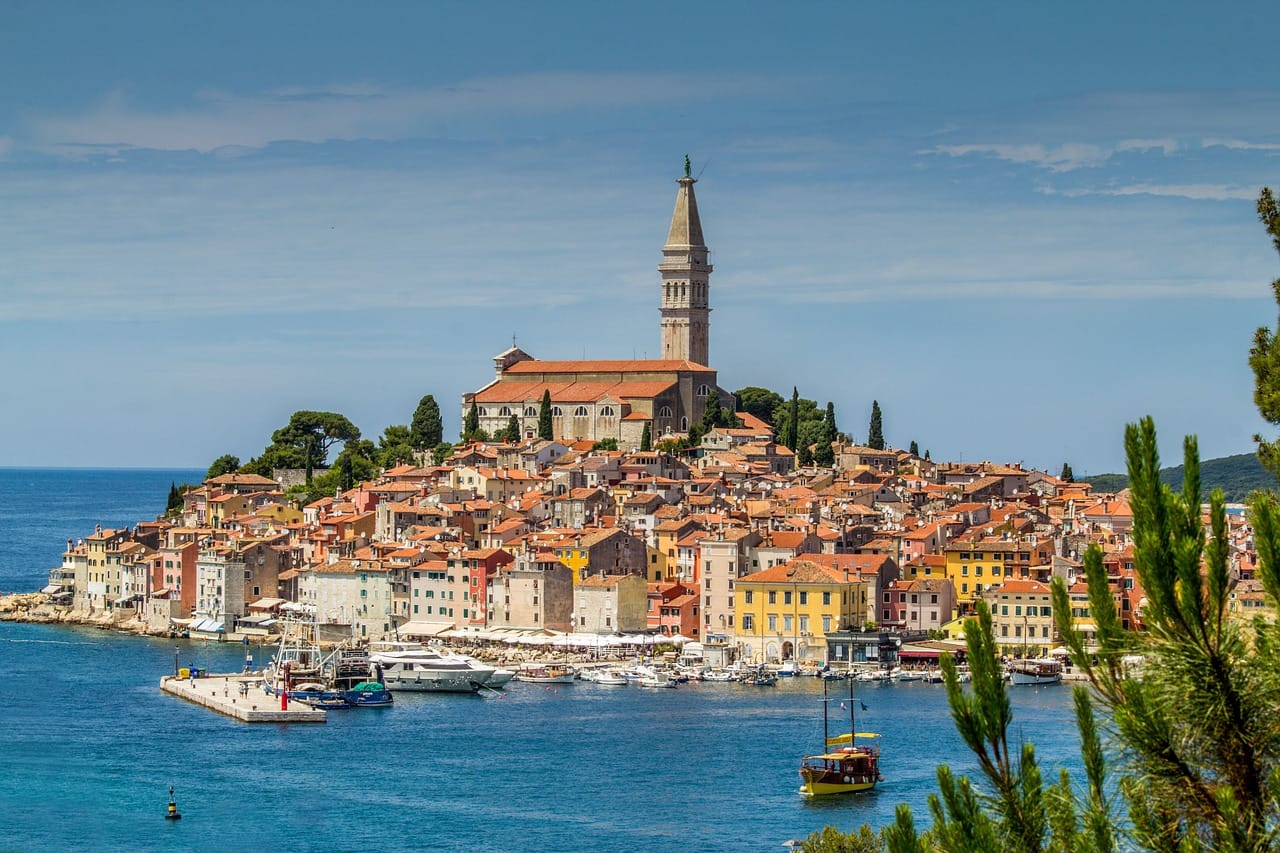
When I first arrived in Split three years ago, I thought it would be just another summer adventure. Two weeks of exploring Diocletian's Palace, island-hopping, and indulging in fresh seafood. What I didn't expect was to fall completely in love with Croatia or for it to become my home base as a digital nomad.
Fast forward to today, and I'm writing this from my apartment overlooking the Adriatic, legally residing in Croatia thanks to the country's progressive Digital Nomad Visa program. If you've been dreaming of combining remote work with European living, Croatia's digital nomad visa might be exactly what you need. Here's everything I learned about making the move, from application to arrival and beyond.
What Is Croatia's Digital Nomad Visa?
Croatia introduced its Digital Nomad Visa in January 2021, making it one of the pioneers in Europe's growing remote work revolution. This temporary residence permit allows non-EU citizens to live and work remotely in Croatia for up to one year, with the possibility of renewal for an additional year.
Unlike tourist visas that limit your stay to 90 days within a 180-day period, the digital nomad visa gives you the freedom to truly settle into Croatian life. You can rent an apartment long-term, establish routines, explore every corner of the country, and immerse yourself in the local culture, all while maintaining your remote career.
The best part? Croatia doesn't tax your foreign income while you're there. As long as you're working for clients or employers outside of Croatia, you won't owe Croatian income tax on those earnings. You'll still need to handle taxes in your home country, but Croatia makes the financial side refreshingly straightforward.
Who Qualifies for the Digital Nomad Visa?
The Croatian digital nomad visa is designed for remote workers, freelancers, and entrepreneurs who can work location-independently. To qualify, you must meet several key requirements:
First, you need to be a citizen of a non-EU/EEA country. EU citizens already have the right to live and work in Croatia, so this visa is intended for those from countries such as the United States, Canada, Australia, the United Kingdom (post-Brexit), and many others.
Second, you must be employed by a company registered outside Croatia, work as a freelancer for international clients, or own a business that's incorporated outside Croatia. The key is that your income source must be foreign. You cannot use this visa to work for Croatian companies or clients.
Third, you need to prove financial stability. Croatia requires evidence of a monthly income of at least 2,870 USD (approximately 2,300 EUR at current exchange rates, though I'd recommend budgeting for about 3,300 USD to be comfortable). This can be demonstrated through employment contracts, client agreements, bank statements, or business revenue documentation.
Finally, you'll need health insurance that covers you in Croatia for the duration of your stay, a clean criminal record, and proof of accommodation in Croatia (either a rental agreement or hotel reservation).
Unlock the secrets of the world's most successful entrepreneurs with the
Global Wealth Navigator Newsletter
Discover the world's best destinations offering a lower cost of living paired with an enriched quality of life with the Global Wealth Navigator Newsletter. Whether you're a retiree or an entrepreneur, we dive into strategies that open doors to international investments, tax optimizations, and discover the finest destinations offering a superior quality of life. Don't let borders or routine define you; lets find your ideal spot in the world, regardless of your income bracket.

The Application Process: My Step-by-Step Experience
I'll be honest, gathering all the documentation felt overwhelming at first. But once I broke it down into manageable steps, the process was actually quite straightforward. Here's exactly what I did:
Step 1: Gather Your Documents
This is the most time-consuming part, so start early. You'll need:
A valid passport with at least three months' validity beyond your intended stay
Proof of employment or business ownership (I provided my employment contract and three months of pay stubs)
Bank statements showing sufficient funds (I showed six months of statements proving consistent income)
Health insurance certificate valid in Croatia (I used SafetyWing, which many digital nomads recommend)
Background check or police certificate from your home country (this needs to be recent—issued within six months)
Proof of accommodation in Croatia (rental contract, Airbnb booking, or hotel reservation)
Step 2: Submit Your Application
You can apply at a Croatian embassy or consulate in your home country, or apply directly at a police station in Croatia if you're already there on a tourist visa. I chose to apply from the U.S. at the Croatian consulate in my region, which gave me peace of mind before making the move.
The application fee is approximately 82 USD (70 EUR), which is refreshingly affordable compared to other visa programs. Make sure to bring cash or check the consulate's accepted payment methods in advance.
Step 3: Wait for Approval
Processing times vary, but mine took about 30 days. I've heard of applications being approved in as little as two weeks and others taking up to two months, so build some flexibility into your timeline. The Croatian authorities will contact you if they need additional documentation.
Step 4: Collect Your Visa and Plan Your Arrival
Once approved, you'll receive a visa sticker in your passport. This allows you to enter Croatia and stay for the specified duration (up to 1 year). Upon arrival, you'll need to register your residence at the local police station within 90 days—this is a simple administrative step that involves showing your rental contract and passport.
Cost of Living: Budgeting for Life in Croatia
One of Croatia's biggest appeals for digital nomads is the excellent quality of life at a reasonable cost, though it's important to set realistic expectations. Croatia isn't as cheap as Southeast Asia, but it's significantly more affordable than major cities in Western Europe or the United States.
Here's what I spend monthly living comfortably in Split:
Accommodation: 1,150 to 2,300 USD. I rent a beautiful one-bedroom apartment in the city center for about 1,600 USD per month. If you're willing to live outside the tourist areas or in smaller cities like Rijeka or Osijek, you can find places for 900-1,400 USD. Zagreb and prime coastal locations will be on the higher end.
Food and Groceries: 460 to 690 USD. Shopping at local markets and cooking at home keeps costs down. Fresh produce, seafood, and local wine are incredibly affordable. Dining out at mid-range restaurants costs around 18-28 USD per person.
Utilities and Internet: 115 to 170 USD. High-speed internet is reliable and typically costs 35-46 USD per month. Electricity, water, and heating add another 80-115 USD depending on the season.
Transportation: 115 to 230 USD. Public transportation is affordable, with monthly bus passes costing around 60 USD. Many digital nomads also use car-sharing services or rent cars for weekend island adventures.
Health Insurance: 60 to 115 USD per month for comprehensive international coverage.
Entertainment and Leisure: 230 to 460 USD. This covers gym memberships, weekend trips, cultural events, and social activities.
Total monthly budget: Expect to spend between 2,300 and 4,100 USD per month for a comfortable lifestyle. If you're looking to live well without compromise, budgeting between 3,500 and 4,600 USD will give you plenty of room for travel, dining out, and enjoying everything Croatia has to offer.
Best Cities for Digital Nomads in Croatia
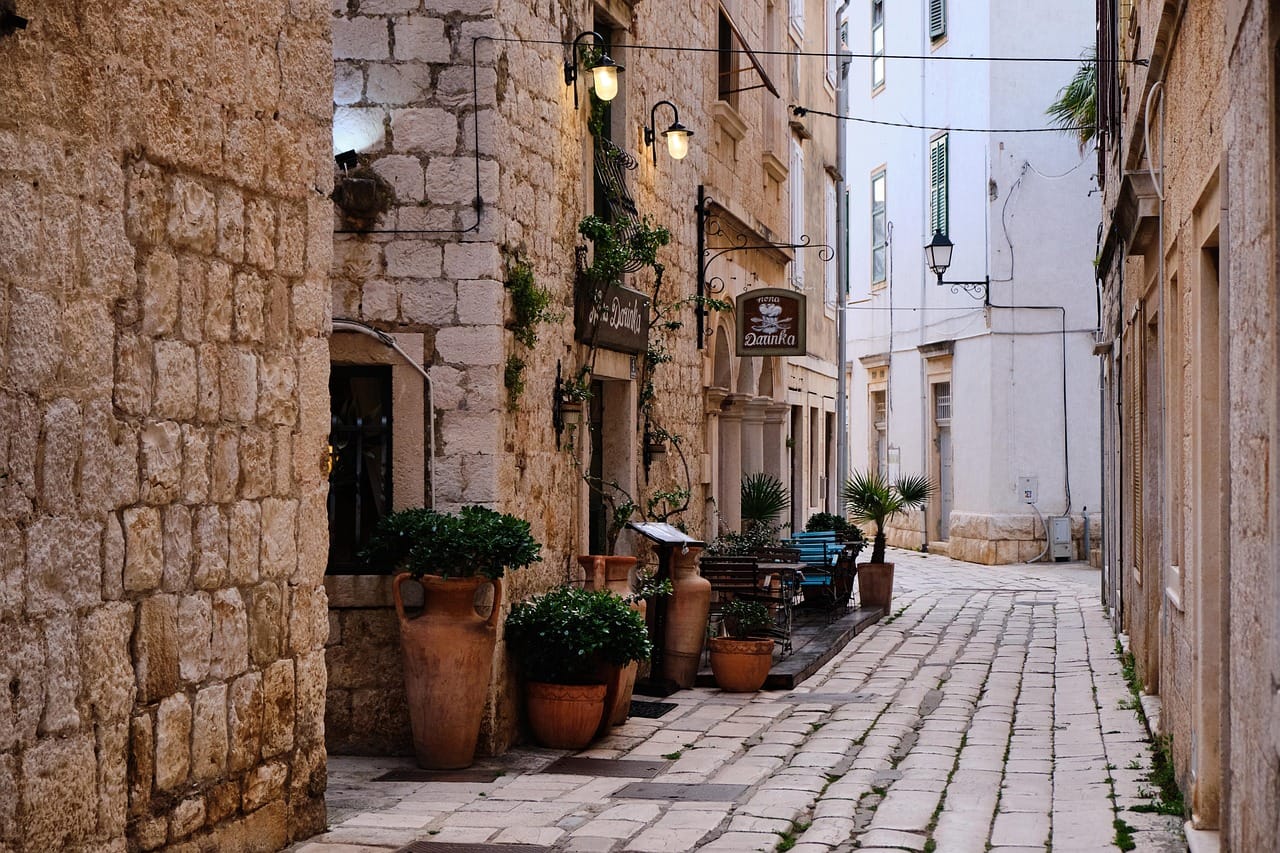
Choosing where to base yourself in Croatia depends on your priorities: coastal beauty, urban amenities, tech community, or budget considerations. Here are the top options:
Split
My home base is an absolute favorite among digital nomads. Split offers the perfect balance of coastal living, historical charm, and modern infrastructure. The tech community here is growing, with regular meetups and coworking spaces like Talent Garden. The climate is Mediterranean perfection: summers average 26-30°C (79-86°F), and winters are mild at 8-12°C (46-54°F). The city is also perfectly positioned for weekend trips to nearby islands like Hvar, Brač, and Vis.
Zagreb
Croatia's capital city is ideal if you want a more metropolitan experience. Zagreb has excellent coworking spaces, a thriving startup scene, world-class museums, and a vibrant café culture. It's also more affordable than coastal cities, with better public transportation and access to Central European destinations. Winters are cold and snowy, with temperatures ranging from -2 to 5°C (28-41°F), but the city has a magical charm during the holiday season.
Dubrovnik
If you don't mind higher costs and tourist crowds, Dubrovnik is stunning. The Old Town is a UNESCO World Heritage site, the Adriatic views are unparalleled, and the city offers an upscale lifestyle. However, accommodation is expensive (expect to pay 1,800-3,000 USD for decent apartments), and the summer tourist season can be overwhelming.
Zadar and Rijeka
These mid-sized coastal cities offer beautiful settings without the intense tourism of Split or Dubrovnik. Zadar has a lovely waterfront, excellent restaurants, and the famous Sea Organ. Rijeka is Croatia's main port city, with an industrial character but a strong cultural scene and affordable living costs.
Internet, Coworking, and Digital Nomad Infrastructure
As someone who depends on reliable internet for UX design work and client video calls, I can confidently say Croatia delivers. Average internet speeds in major cities range from 50 to 100 Mbps, with many apartments and coworking spaces offering even faster fiber connections.
Split's coworking scene has grown significantly. Talent Garden is the premier option, offering modern facilities, event spaces, and a vibrant community of entrepreneurs and remote workers. Day passes cost around 18-23 USD, and monthly memberships range from 230 to 345 USD.
Zagreb has even more options, including Impact Hub, Lauba, and Zip Coworking. Cafés with reliable Wi-Fi are everywhere—just order a coffee (around 2-3 USD), and you can work for hours. Many nomads alternate between coworking spaces, cafés, and home offices to keep things fresh.
Croatia also has a growing digital nomad community. There are WhatsApp groups, Facebook communities, and regular meetups where you can connect with other remote workers, share tips, and make friends. The country's location makes it easy to meet nomads traveling through the Balkans or exploring Mediterranean destinations.
Embracing Croatian Culture and Daily Life
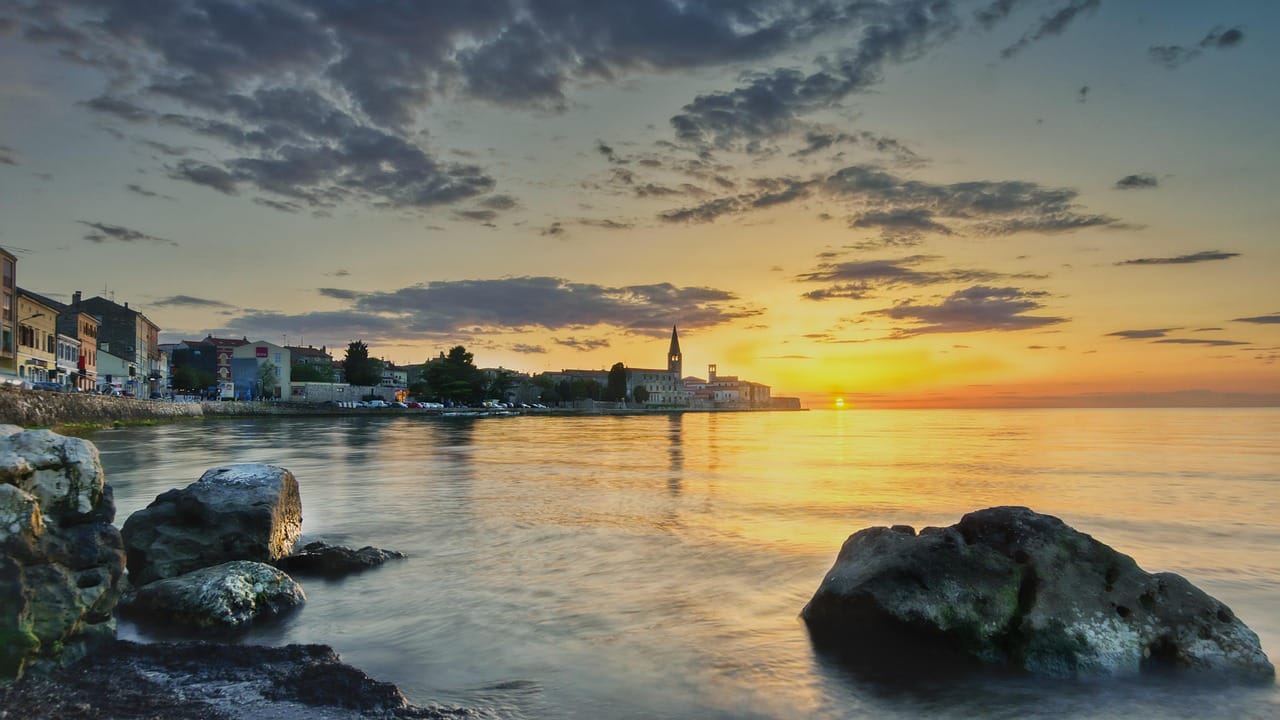
Living in Croatia long-term means you'll experience the country beyond tourist hotspots. One of the unexpected joys has been discovering the rhythm of Croatian life: the morning coffee culture, the importance of family meals, and the way locals prioritize leisure time.
Croatians are warm and welcoming, though many are reserved initially. Learning basic Croatian phrases goes a long way in building connections. Most younger Croatians speak excellent English, especially in cities and tourist areas, but making an effort with the language shows respect and opens doors.
The food culture is phenomenal. Fresh seafood, locally produced olive oil, truffles from Istria, wines from Pelješac and Hvar; Croatian cuisine is a delicious blend of Mediterranean, Balkan, and Central European influences. Shopping at local markets (pazar) becomes a weekly ritual, and you'll quickly develop relationships with vendors who save you the best produce.
Croatia's natural beauty means outdoor activities are central to life here. Hiking in Paklenica National Park, swimming at hidden beaches, sailing between islands, exploring waterfalls in Krka and Plitvice, weekends are adventures. The country's compact size means you can drive from Zagreb to the coast in just a few hours, making weekend getaways effortless.
Challenges and Considerations
Croatia isn't without its challenges for digital nomads. Bureaucracy can be frustrating. Expect slower processes and occasional confusion at government offices. Patience and persistence are essential, and having a local friend or translator helps immensely.
The seasonal nature of coastal cities means summers are lively and crowded, while winters are quiet, sometimes too quiet. Many restaurants and shops close during the off-season, and the social scene slows down. If you thrive on constant activity, consider splitting your time between coastal and inland cities.
Banking can be complicated for foreigners. While you can open a local bank account on a digital nomad visa, some banks are more accommodating than others. Many nomads continue using international banking services like Wise or Revolut for convenience.
Finally, remember that your digital nomad visa doesn't allow you to work for Croatian clients or companies. All your income must come from outside Croatia. If you're interested in eventually working for local companies, you'll need to explore different visa options.
Renewing Your Visa and Long-Term Options
After your initial year, you can apply to renew your digital nomad visa for an additional year. The renewal process is similar to the original application. You'll need to prove continued remote employment and financial stability.
After two years on the digital nomad visa, you'll need to leave Croatia for at least six months before applying again. However, if you've fallen in love with Croatia (like I have) and want to stay longer, there are other pathways to explore: temporary residence permits based on business ownership, employment by a Croatian company, or investment-based residency.
Some digital nomads use the two-year period to establish a Croatian company and transition to entrepreneurial residency. Others explore paths to EU citizenship through ancestry or investment. If long-term European residency is your goal, Croatia can be an excellent stepping stone.
Is Croatia's Digital Nomad Visa Right for You?
Croatia's digital nomad visa is ideal if you want to experience European living with Mediterranean flair, enjoy outdoor adventures, and be part of a growing remote work community.
It's perfect for digital nomads who value quality of life over rock-bottom prices, who want reliable infrastructure and safety, and who are excited about exploring a country that feels both familiar and exotic.
For me, choosing Croatia's digital nomad visa was one of the best decisions I've made. It gave me the legal foundation to truly settle in, build meaningful relationships, and create a life that balances work and adventure. Three years later, Croatia still surprises me with hidden beaches, unexpected friendships, and endless inspiration for my work.
If you're considering the move, start gathering your documents now. Research cities, join digital nomad communities online, and begin dreaming about your Croatian adventure. The process might seem daunting, but the reward, living in one of Europe's most beautiful countries while pursuing your career, is absolutely worth it.
Ready to Make Your Move?
If you're serious about relocating to Croatia or exploring other destinations around the world,
Global Citizen Life's Moving Abroad Programs can help you navigate every step of the journey. They offer three levels of support:
One-time strategy calls for personalized guidance on your specific situation and goals
Six country-specific Moving Abroad Masterclasses covering everything from visas to cultural integration
Private coaching and consulting for comprehensive support throughout your relocation journey
Whether you're just beginning to explore international living or ready to book your one-way ticket, having expert guidance can save you time, money, and stress. The move to Croatia changed my life. With the right preparation and support, it could change yours too.
Written by Erin Walsh
Erin is a 29-year-old UX designer from the USA who discovered her passion for Croatia during a transformative summer in Split. Now a dedicated digital nomad, she explores Croatia's islands, vibrant tech community, and hidden gems while advocating for remote work opportunities. Through her writing, Erin helps aspiring expats navigate the practicalities and joys of making Croatia home.
Global Citizen Life
© 2023 Global Citizen Life
All rights reserved