
Costa Rica Caribbean vs Pacific: Why I Chose the Pacific Side (And Why You Might Choose Differently
I'll never forget the day I stood at the crossroads of my Costa Rica decision. Laptop open, two browser tabs side by side. One showing the turquoise Caribbean waters of Puerto Viejo, the other displaying Tamarindo's golden Pacific sunsets. Both looked like paradise. Both promised the freedom I was craving.
After three years of living on Costa Rica's Pacific coast and countless trips to the Caribbean side to visit friends, I've learned something crucial: this isn't really about which coast is better. It's about which coast is better for you.
Let me break down what nobody tells you about both sides before you make your move.
The Vibe: More Different Than You'd Think
Here's what hit me first about the Pacific: energy. Tamarindo pulses with this entrepreneurial buzz that gets me out of bed excited every morning. Surf schools, yoga studios, beach bars, everyone's building something. There's a reason they call it the "surfer-preneur" capital of Central America.
The Caribbean side? Totally different rhythm. Puerto Viejo and Cahuita move to a slower, mellower beat. Think reggae instead of pop music. Hammocks instead of hustle. My friend Maya lives in Puerto Viejo and loves that she can disappear into the jungle for days, emerge for a farmers market, and nobody questions her lifestyle.
The Pacific attracts go-getters and digital nomads chasing waves and WiFi. The Caribbean draws artists, nature lovers, and people genuinely trying to unplug. Neither is wrong. They're just serving different needs.
Weather: The Deal-Breaker for Many
This is huge, and it's what won me over about the Pacific.
The Pacific has a predictable dry season from December through April. I'm talking guaranteed sunshine, consistent surf, temperatures around 32°C (90°F), and almost zero rain. It's glorious. Then the green season (May to November) brings afternoon showers that cool things down but rarely disrupt your whole day.
The Caribbean? It doesn't really have a dry season. September and October are the driest months, but "dry" is relative; you'll still see rain. And when it rains on the Caribbean side, it RAINS. We're talking biblical downpours that can last for days.
My friend who moved to Puerto Viejo from the Pacific lasted eight months before relocating back. "I couldn't take another week trapped inside," she told me. "I need my sunshine fix."
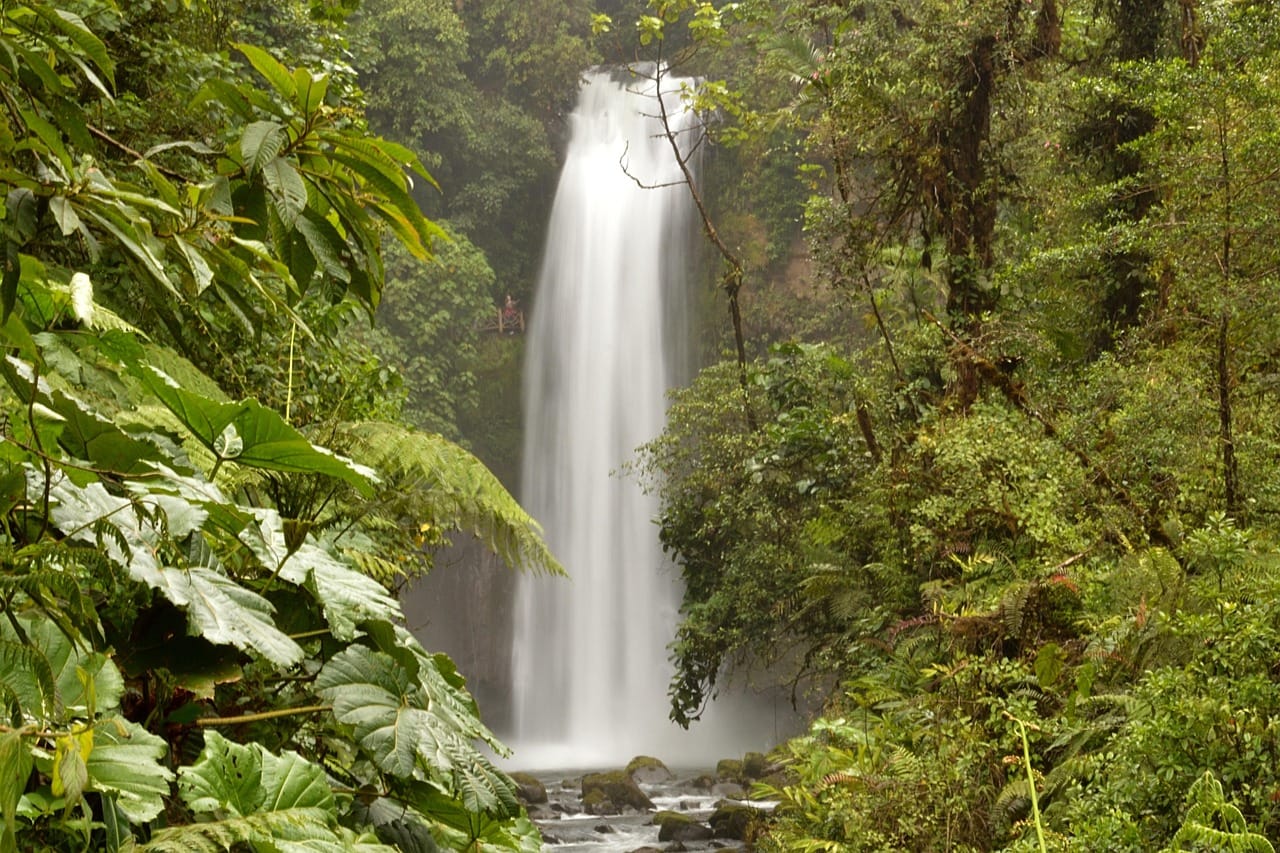
But here's the flip side: that Caribbean rain creates the most incredible jungle. The Pacific is a dry forest. Beautiful but brown during the dry season. The Caribbean stays lush and green year-round. If you're a nature photographer or you thrive in tropical rainforest vibes, the Caribbean delivers.
If you're serious about making this life-changing move, our Move to Costa Rica Masterclass online course provides comprehensive guidance on everything from residency requirements and healthcare to finding the perfect community and integrating into local culture, helping you make a smooth and successful transition.
The Surf Factor
Okay, bias alert: I'm a surf instructor, so this matters to me professionally.
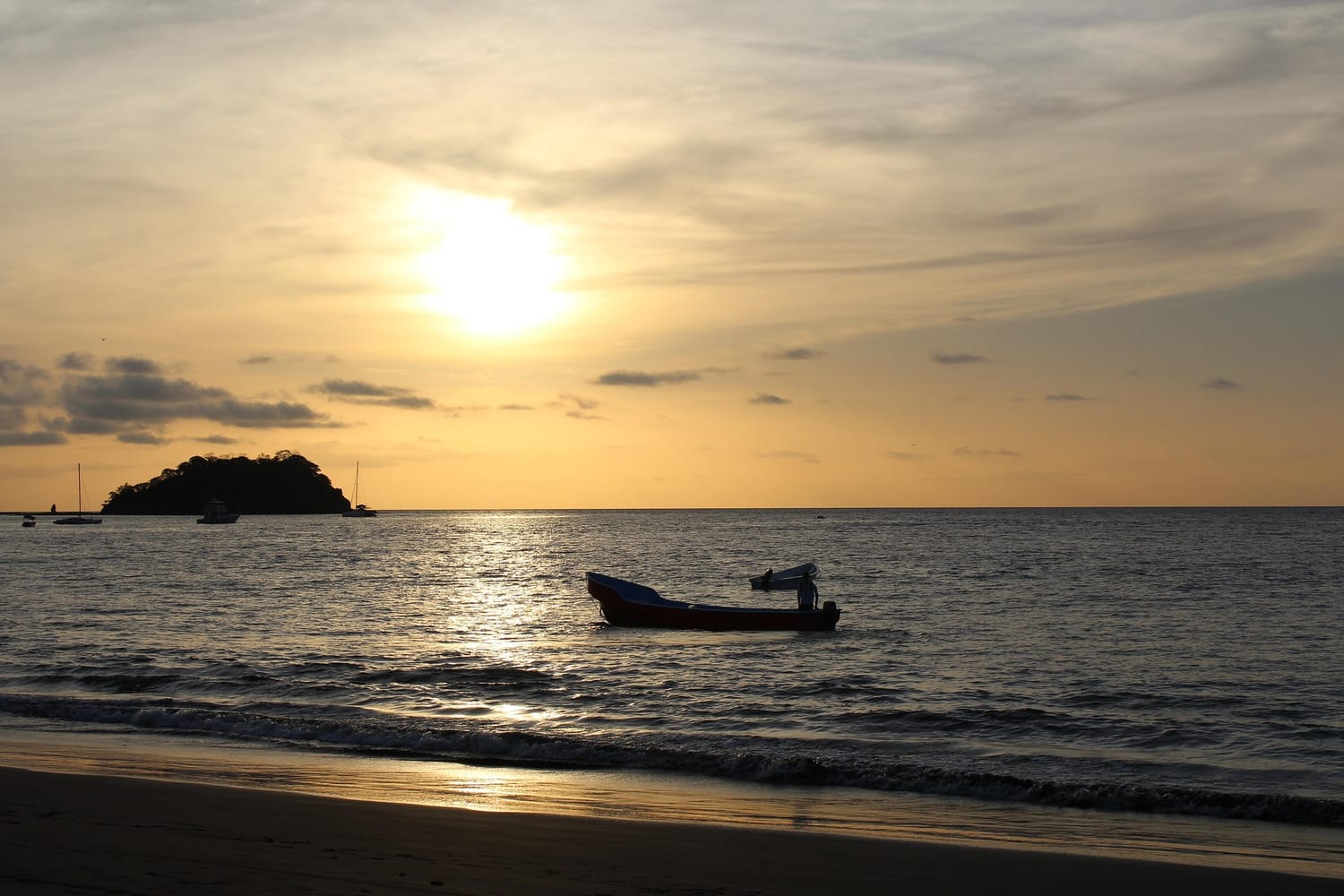
The Pacific has consistent, learner-friendly waves almost every day during dry season. Tamarindo, Nosara, Santa Teresa, Jacó—pick your spot, and you'll find surf. The beaches face west, so you get gorgeous sunset sessions that make for incredible Instagram content (not that
I'm completely addicted to posting or anything).
Caribbean surf is powerful and less predictable. Puerto Viejo gets amazing swells, especially December through March, but they're bigger and heavier. Salsa Brava is one of the gnarliest reef breaks in Central America, beautiful to watch, terrifying to surf unless you really know what you're doing.
For beginners and intermediate surfers building a lifestyle around waves, Pacific wins hands down. For experienced surfers seeking uncrowded, powerful breaks and willing to wait for the right swell, the Caribbean is a paradise.
Cost of Living: Where Your Money Goes
Let's talk dollars, because this surprised me.
The Pacific, particularly popular spots like Tamarindo and Santa Teresa, is more expensive. My two-bedroom house, three blocks from the beach, runs $1,650 USD/month. Eating out at a nice restaurant? $22-35 USD per person. Groceries for a week? Around $110 USD if I'm buying imported foods.
The Caribbean is notably cheaper. Maya pays $880 USD for a similar house in Puerto Viejo. Meals out average $15-25 USD. Local markets are incredible. Fresh fish, organic produce, and Caribbean spices are way more affordable than those in Pacific grocery stores.
But here's the nuance: the Pacific's higher cost comes with more infrastructure. Better roads, more reliable internet, and easier access to services. The Caribbean's lower cost reflects its more remote, less developed character. You're trading convenience for authenticity and savings.
My monthly Pacific budget breakdown:
Rent: $1,650 USD
Utilities (electric, water, internet): $165 USD
Groceries: $440 USD
Eating out/socializing: $385 USD
Transportation (scooter, gas, occasional Uber): $220 USD
Gym/yoga/activities: $132 USD
Total: Around $2,990 USD/month
Maya's Caribbean budget is closer to $2,100 USD per month for a similar lifestyle, though she earns less because there are fewer high-paying remote work opportunities in smaller Caribbean communities.
Community and Expat Culture
The Pacific has a massive, visible expat community. Walk down the beach in Tamarindo any day of the week, and you'll hear English, French, German, and Spanish mixing together. There are established Facebook groups, weekly meetups, networking events, and language exchanges.
This was crucial for me in year one. I needed that community to fight off loneliness when I first arrived. I needed people who understood the challenges of building a life abroad. The Pacific delivered instant friendship.
The Caribbean expat community exists but feels more integrated with local Tico and Afro-Caribbean culture. It's smaller and tighter-knit, and you have to put in more effort to break in. Maya says it took her four months to really feel connected, whereas it took me about four weeks on the Pacific side.
Some people love that the Caribbean forces you to go deeper. Others find it isolating. Know yourself before you commit.
Infrastructure and Convenience
This is where the Pacific really shines if you're running a remote business or need reliable services.
Internet on the Pacific coast is solid. I get 100+ Mbps in Tamarindo without issues. Multiple co-working spaces offer backup internet and coffee fuel. Amazon deliveries arrive in 3-5 days. There are excellent private medical clinics, yoga studios on every corner, and you can take an Uber to Liberia's international airport in 45 minutes.
The Caribbean is more adventurous. The Internet can be spotty, especially when it rains hard. The closest international airport (San José) is 3-4 hours away on a winding mountain road. Power outages happen more frequently. Getting replacement parts or specialty items means a long drive or waiting weeks for delivery.
Maya switched to a backup mobile hotspot and learned to be extremely patient. "It forces you to slow down," she says. "Which was exactly what I needed."
For me? I need reliability to run my surf school and blog. The Pacific infrastructure lets me focus on business instead of troubleshooting basic services.
Unlock the secrets of the world's most successful entrepreneurs with the
Global Wealth Navigator Newsletter
Discover the world's best destinations offering a lower cost of living paired with an enriched quality of life with the Global Wealth Navigator Newsletter. Whether you're a retiree or an entrepreneur, we dive into strategies that open doors to international investments, tax optimizations, and discover the finest destinations offering a superior quality of life. Don't let borders or routine define you; lets find your ideal spot in the world, regardless of your income bracket.

Natural Beauty and Activities
Both coasts are stunning, but they show you completely different versions of Costa Rica.
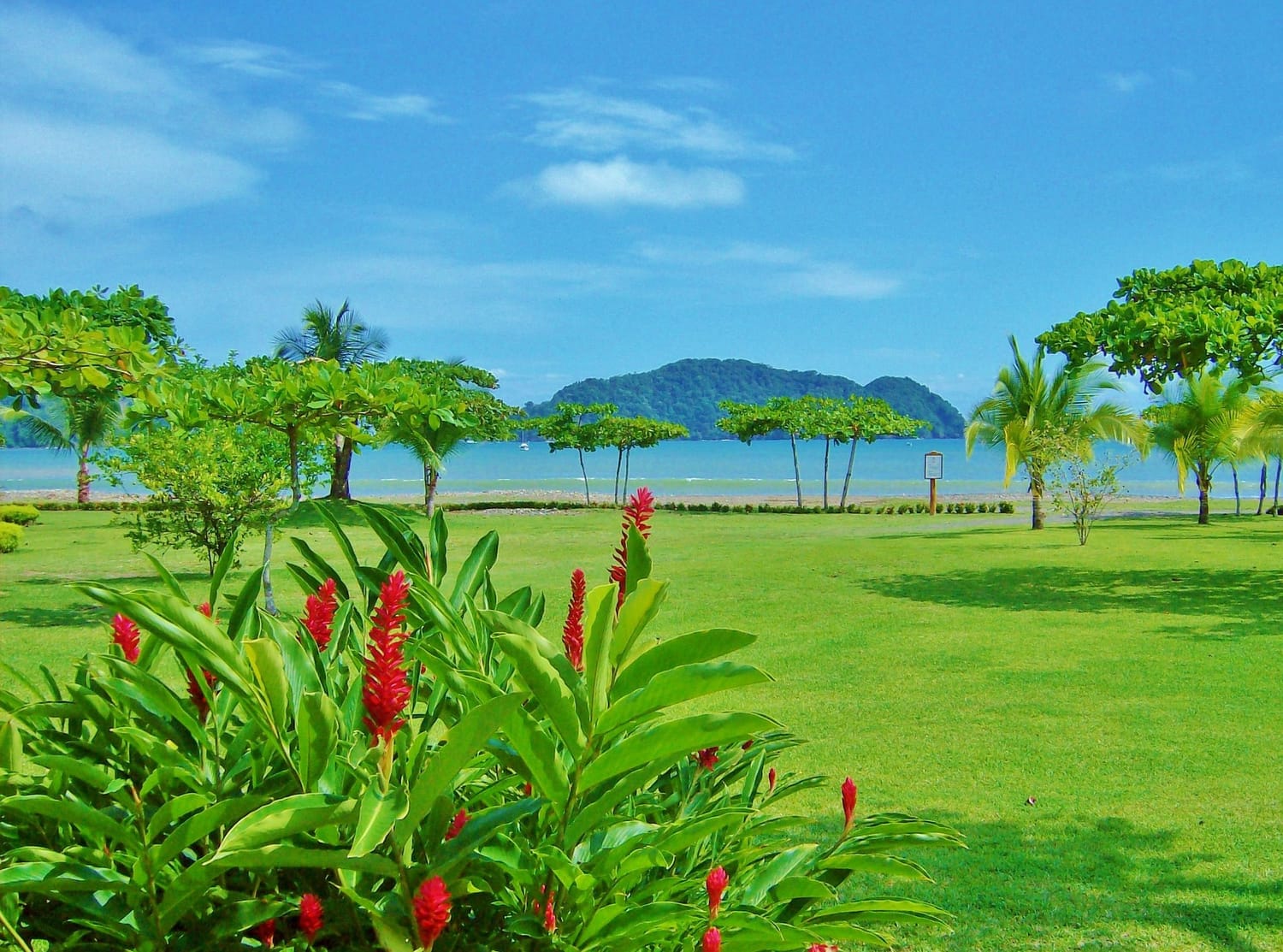
The Pacific gives you dramatic sunsets, dry tropical forests, howler monkeys in the trees, and easy access to national parks like Rincón de la Vieja and Palo Verde. The landscape feels more open and sunny. Beach culture dominates: volleyball, sunset yoga, beach bonfires.
The Caribbean wraps you in dense rainforest magic. Sloths everywhere (seriously, I counted seven on one bike ride with Maya). Cahuita National Park, where you can snorkel right off the beach. Indigenous Bribri communities offering cultural experiences. The Afro-Caribbean culture brings a different flavor. You'll find rice and beans cooked in coconut milk, the patois language, and a distinctly different musical vibe from the Spanish colonial influences of the Pacific.
If you're choosing based on activities, ask yourself: Do I want surf, yoga, and sunset happy hours? Or snorkeling, jungle hikes, and cultural immersion?
Healthcare Access
The Pacific has better immediate access to healthcare. Tamarindo and the surrounding areas have excellent private clinics. Liberia (45 minutes away) has hospitals with emergency services and specialists.
When I wiped out on my board last year and needed stitches, I was in a clinic within 20 minutes. Total cost without insurance: $165 USD, including the consultation and follow-up.
The Caribbean has smaller clinics in Puerto Viejo and Cahuita, but for anything serious, you'll need to drive 3+ hours to San José. Maya handles this by maintaining great health insurance and being more cautious about risky activities.
If you have ongoing health conditions that require regular specialist visits, the Pacific's proximity to Liberia's healthcare facilities is a significant advantage.
The Honest Truth About Tourism
The Pacific, especially Tamarindo, can feel touristy during high season (December-April). Hotels fill up, beach chairs multiply, prices inflate slightly, and you'll hear "Taxi? Tour? Massage?" approximately 47 times per beach walk.
I've learned to embrace it. Tourism drives the economy, allowing me to run my business. High season means full surf classes and better tips at the beach bar, where I sometimes fill in. Plus, the energy is fun. Meeting people from around the world keeps life interesting.
The Caribbean sees tourism but less development. Puerto Viejo maintains more of its authentic village feel even during busy months. You won't find all-inclusive resorts or chain restaurants. Maya loves this authenticity. I sometimes miss the variety of dining options.
So, How Do You Actually Choose?
After three years on the Pacific and countless Caribbean visits, here's my honest framework:
Choose the Pacific if:
You're running a remote business needing reliable internet, you want guaranteed sunshine during dry season, you thrive on social connections and expat community, you're into surfing or learning to surf, you want easy access to international airports, you prefer developed infrastructure and convenience, or you're seeking that energetic beach town vibe.
Choose the Caribbean if:
You want authentic Afro-Caribbean culture, you love dense jungle and serious nature immersion, you're fine with more rain and humidity, you're seeking a slower, more introspective lifestyle, your work doesn't require perfect internet 24/7, you prefer smaller, tight-knit communities, you want lower cost of living, or you're drawn to snorkeling and rainforest over surfing and dry forest.
My Recommendation: Visit Both Before Deciding
Seriously. Don't commit to a year-long lease based on Instagram photos.
Spend two weeks in Tamarindo or Santa Teresa on the Pacific. Then spend two weeks in Puerto Viejo or Cahuita on the Caribbean. Feel the energy. Test the internet. Talk to expats and locals. Imagine your daily routine in each place.
I chose the Pacific because I needed sun, surf, and infrastructure to build my business. The vibrant social scene healed my post-Montreal loneliness. The reliable dry season lets me plan surf lessons months in advance.
But Maya chose the Caribbean because she craved authenticity and cultural depth. She wanted to disconnect from hustle culture and reconnect with nature. The lower cost of living gave her financial breathing room to focus on her art.
We're both living our best Costa Rican lives. They just happen to look totally different.
The magic of Costa Rica isn't choosing the "right" coast. It's finding the coast that supports the life you want to build. Both sides offer paradise. You just need to know which version of paradise speaks to your soul.
And hey, they're not that far apart. You can always visit the other side when you need a change of scenery. I surf the Pacific and vacation in the Caribbean. Best of both worlds.
Pura vida from whichever coast calls your name.
Ready to make your move to Costa Rica? Our Move to Costa Rica Masterclass covers everything from visa options and healthcare to finding the perfect community on either coast. Whether you choose Pacific waves or Caribbean culture, we'll help you navigate the transition with confidence.
If you're serious about making this life-changing move, our Move to Costa Rica Masterclass online course provides comprehensive guidance on everything from residency requirements and healthcare to finding the perfect community and integrating into local culture, helping you make a smooth and successful transition.
Written by Sophie Leclerc — The Beach Entrepreneur
Montreal-born Sophie followed the waves to Tamarindo, where she teaches surfing and runs a travel blog. Her lively, free-spirited writing celebrates independence, sunshine, and creativity. She encourages young professionals to live passionately and design a lifestyle rooted in freedom.
📍 From Montreal, now in Tamarindo
Surf instructor and travel blogger, Sophie writes with energy and optimism—perfect for those dreaming of sand, surf, and self-employment.
Read Articles by Sophie →
Global Citizen Life
© 2023 Global Citizen Life
All rights reserved