
Costa Rica's Top 10 Expat Destinations

Costa Rica has earned its reputation as one of the world's premier expat destinations, attracting over 100,000 foreign residents with its "pura vida" lifestyle, political stability, outstanding natural beauty, and commitment to environmental conservation. This Central American gem offers everything from pristine Pacific and Caribbean beaches to misty cloud forests and active volcanoes, all within a country roughly the size of West Virginia.
What sets Costa Rica apart is its unique combination of factors that matter most to expats. The country abolished its military in 1949, redirecting funds to education and healthcare, resulting in a literacy rate exceeding 97% and a healthcare system often ranked among the best in Latin America. The stable democracy, lower crime rates than many neighboring countries, and welcoming attitude toward foreigners create a secure environment. Add year-round tropical weather, incredible biodiversity with 5% of the world's species, adventure activities, and a culture that genuinely embraces the "pura vida" philosophy of enjoying life's simple pleasures, and you understand why Costa Rica consistently tops retirement and expat destination lists.
This guide explores the top 10 destinations where expats are building their Costa Rican dream, from bustling beach towns to peaceful mountain communities and everything in between. Each location offers distinct advantages in lifestyle, climate, cost, and community.
What to Consider When Choosing Where to Live in Costa Rica
Before selecting your Costa Rican home, understanding key factors will guide your decision. The cost of living in Costa Rica is moderate to high compared to other Central American countries, but it remains 20-40% lower than in the United States or Canada. Popular expat areas command premium prices while less-discovered regions offer better value. Monthly living expenses typically range from $2,000 to $3,500, depending on location and lifestyle choices, with beach areas generally more expensive than mountain or Central Valley areas.
Costa Rica offers several residency options for expats. The Pensionado (retiree) visa requires proof of a monthly income of at least $1,000 from a permanent pension source. The Rentista visa requires a minimum of $2,500 in monthly guaranteed income for two years or a $60,000 bank deposit. Investors can obtain residency by investing $200,000 in real estate or business. Many expats also employ the Perpetual Tourist method, which involves leaving the country every 90 days, although this doesn't provide official residency. The application process can be lengthy and bureaucratic, but it is straightforward with proper documentation.
Climate varies dramatically, despite the country's small size. The Central Valley experiences a mild, year-round climate with temperatures ranging from 70°F to 80°F. Pacific coast areas are hot and tropical with distinct dry (December-April) and rainy (May-November) seasons. The Caribbean coast receives rain year-round but has a less extreme wet season. Mountain areas can be cool and misty, while lowland beach regions are consistently warm. Consider your temperature and rainfall preferences carefully.
Healthcare quality in Costa Rica is excellent, with both public (Caja) and private systems. The public system offers comprehensive coverage for approximately $100-$ 300 per month, depending on income, although wait times can be lengthy for non-emergency procedures. Private healthcare is affordable by North American standards, with doctor visits costing $50-100 and procedures costing significantly less than in the U.S. Many doctors are trained in the U.S. and speak English. Medical tourism is a significant industry.
Language considerations are important. While English is widely spoken in major expat communities and tourist areas, Spanish proficiency significantly enhances your experience and is essential for navigating bureaucracy, healthcare, and establishing local relationships. Many expats arrive with minimal Spanish and learn gradually through classes and immersion.
Infrastructure quality varies by region. Popular expat areas generally have reliable electricity, water, and internet, though rural properties may face challenges. Internet speeds have improved dramatically, with fiber optic available in many areas, making remote work feasible. Road conditions range from excellent highways to rough dirt roads requiring 4WD vehicles.
Ready to Make Your Move?
Before diving into our top destinations, consider accelerating your transition to Costa Rica with expert guidance. Our Moving to Costa Rica Masterclass is a comprehensive online course covering everything from visa applications and finding housing to opening bank accounts, navigating healthcare, understanding cultural differences, and building your new life. Learn from expats who've successfully made the move and avoid common mistakes that can cost time and money. Whether you're retiring, working remotely, or seeking adventure, this course provides the roadmap you need for a smooth transition to your new home in Costa Rica.
Tamarindo
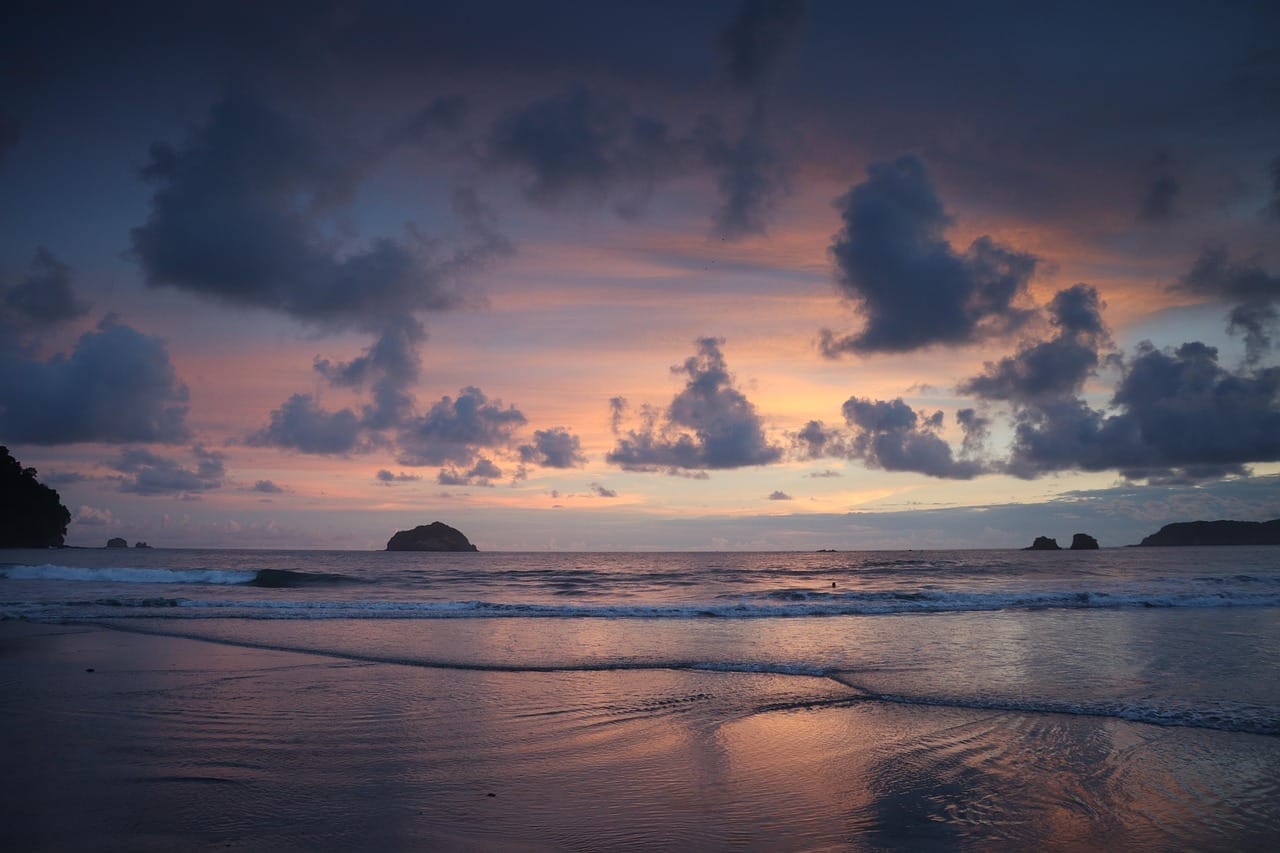
Tamarindo stands as Costa Rica's most popular beach town for expats, offering vibrant nightlife, excellent surfing, modern amenities, and a genuinely international atmosphere on the North Pacific coast of Guanacaste. This former fishing village has transformed into a bustling beach destination while maintaining its laid-back surf culture.
Why Expats Love It: Tamarindo offers the complete beach lifestyle package, complete with consistent surf breaks for all skill levels, stunning sunsets, warm ocean temperatures year-round, and a thriving social scene. The town offers numerous restaurants spanning international cuisines, lively bars and nightlife, yoga studios, gyms, and extensive tour operators for activities. The established expat community means English is widely spoken, services cater to foreigners, and making friends is effortless. Proximity to Liberia International Airport (one hour) makes traveling convenient.
Cost of Living: High for Costa Rica due to popularity and development. One-bedroom apartments or condos near the beach cost $800-$1,400 monthly, while options farther from the beach start at $600-$900. Dining out ranges from $10 to $15 at casual spots to $20 to $35 at upscale restaurants. Groceries can be expensive, especially imported items. Budget: $2,500- $3,500 per month, excluding rent, for comfortable living.
Lifestyle & Activities: Surfing dominates the lifestyle with consistent waves and numerous surf schools. Beach days, sportfishing charters, snorkeling tours, and sunset catamaran cruises fill calendars. Costa Rica's nightlife is most active outside San José, with beach bars, clubs, and live music venues. Day trips explore nearby beaches like Playa Grande (turtle nesting), Conchal (shell beach), and Flamingo. The town maintains a constant level of activity and energy, appealing to social butterflies but potentially overwhelming for those seeking tranquility.
Expat Community: Very large and diverse, including Americans, Canadians, Europeans, and South Americans. Mix of retirees, remote workers, surf instructors, restaurant owners, and digital nomads. The community is transient, with many short-term visitors, as well as established long-term residents. Numerous expat groups and meetups exist.
Practical Information: Liberia International Airport offers direct flights from the U.S. English is widely spoken. High-speed fiber-optic internet is available throughout most areas. The town offers a variety of supermarkets, pharmacies, banks, and other essential services. Traffic and development have increased significantly, creating growing pains.
Best for: Surfers and beach lovers, social butterflies seeking an active nightlife, digital nomads looking for a beach lifestyle with infrastructure, and those prioritizing convenience and an English-speaking environment over authenticity and budget.
Atenas (Central Valley)
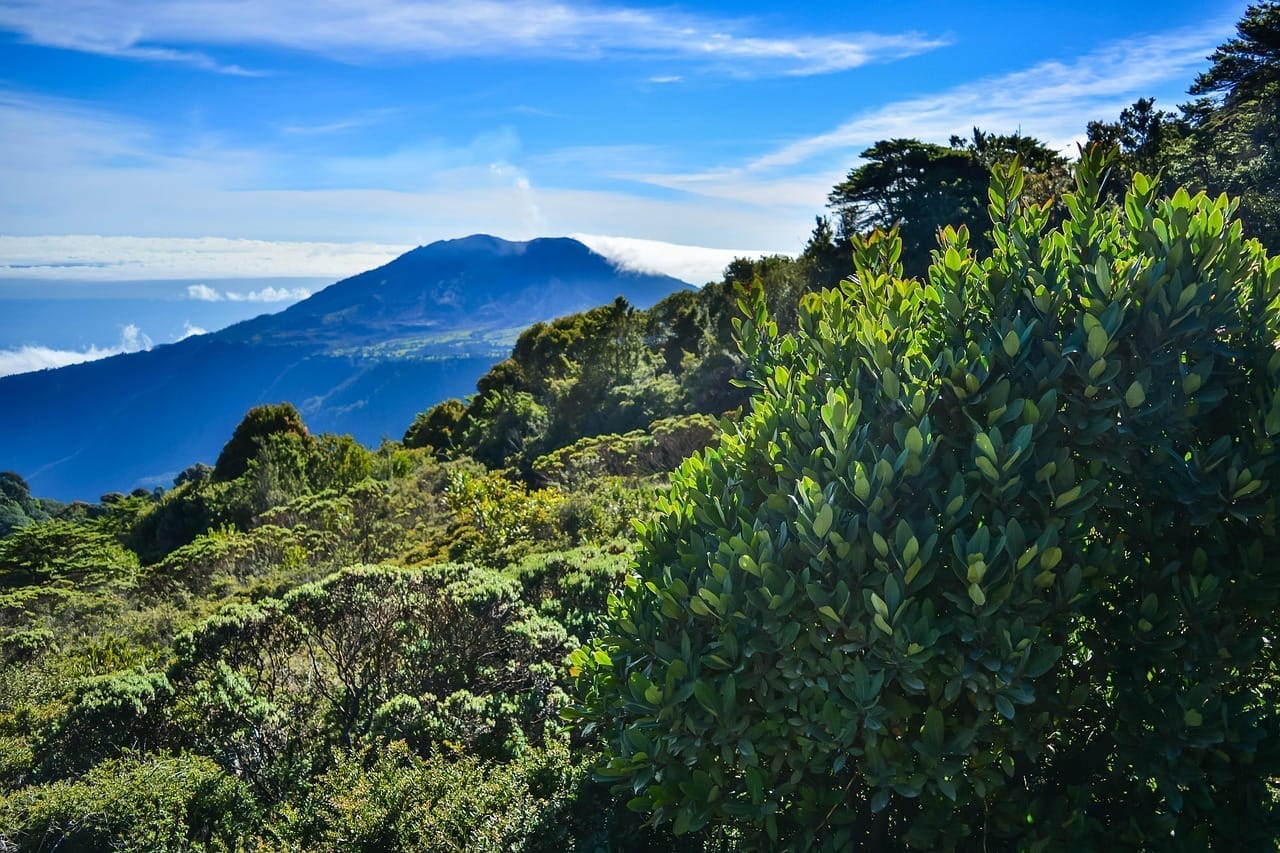
Atenas, a charming town in the Central Valley, earned recognition from National Geographic as having the "best climate in the world" with year-round spring-like weather. This peaceful community attracts expats seeking comfort, affordability, and proximity to San José without the urban chaos.
Why Expats Love It: Atenas offers year-round temperatures between 70 and 80°F, minimal humidity, and refreshing breezes. The town maintains its authentic Costa Rican character, featuring a central park, a traditional church, a weekly farmers' market, and a friendly local population. Living costs are significantly lower than in beach areas while maintaining good infrastructure. The location offers easy access to both Pacific beaches (approximately 45 minutes) and San José Airport (approximately 30 minutes). The relaxed pace and strong expat community create ideal conditions for retirement.
Cost of Living: Moderate and excellent value. One-bedroom apartments or small houses typically cost $500 to $800 per month, and many expats opt to purchase homes at affordable prices. Dining at local sodas (small restaurants) costs $5 to $8, while nicer restaurants run $12 to $18. Groceries are reasonably priced, and there's excellent local produce available at the farmers' market. Budget: $1,800 to $2,500 per month, excluding rent, for a comfortable living arrangement.
Lifestyle & Activities: Life centers around the town square, where locals and expats gather at cafes and restaurants. The Friday farmers' market offers fresh produce, crafts, and opportunities to socialize. Golf courses at nearby Los Sueños Resort provide recreation. Day trips easily reach Jacó Beach, Poás Volcano, coffee plantations, and Manuel Antonio National Park. The pace is slow and community-oriented, with emphasis on enjoying the perfect weather through outdoor activities like hiking local trails. The arts community hosts regular events and classes.
Expat Community: Well-established and predominantly North American retirees, creating a welcoming atmosphere for newcomers. Multiple social clubs, volunteer organizations, and regular meetups facilitate integration. The community strikes a good balance between expat amenities and authentic Costa Rican culture.
Practical Info: San José International Airport is 30 minutes away. English is common among expats and service providers catering to foreigners. Good internet infrastructure, with fiber-optic, is available in town. Healthcare is accessed in nearby Grecia or San José. The area requires a car for convenience, although taxis and buses are available.
Best For: Retirees seeking perfect weather and tranquility, budget-conscious expats, those wanting proximity to the airport and beaches, people who prefer mountain living over beach living, and expats seeking an established community without tourist crowds.
San José (Central Valley)

San José, Costa Rica's capital and largest city, offers urban conveniences, job opportunities, cultural attractions, and access to quality healthcare while serving as a hub for exploring the entire country. This metropolitan area, with a population of over 2 million, offers cosmopolitan living at moderate costs.
Why Expats Love It: San José offers a range of big-city amenities, including international schools, excellent hospitals, shopping malls, restaurants serving global cuisines, museums, theaters, and vibrant nightlife. The city provides the best job market for those seeking local employment or starting a business. The location enables weekend trips to both coasts, the mountains, and national parks within a 2-3 hour drive. Multiple suburbs and neighborhoods offer different characters, from upscale Escazú to bohemian Barrio Escalante. The Central Valley's perfect climate makes living comfortable year-round.
Cost of Living: Moderate for a capital city. One-bedroom apartments in desirable neighborhoods like Escazú or Santa Ana cost $600-$1,000 per month, with more affordable options available for $400-$700. Dining out ranges from $7 to $12 at local spots to $15 to $30 at upscale restaurants. Groceries are reasonably priced with excellent supermarkets. Public transportation is affordable, although many expats prefer to own a car. Budget: $2,000-$2,800 monthly, excluding rent, for comfortable living.
Lifestyle & Activities: The city boasts a range of cultural attractions, including the National Theatre, museums, art galleries, and concert venues. Neighborhoods like Barrio Escalante are home to craft breweries, hip restaurants, and vibrant nightlife. Shopping ranges from traditional markets to modern malls. Weekend escapes include visits to Poás Volcano, coffee plantations, whitewater rafting, zip-lining, and beaches on both coasts. The urban energy and diversity appeal to those seeking cosmopolitan living. Traffic congestion and urban sprawl present challenges.
Expat Community: Large and diverse, attracting younger professionals, entrepreneurs, teachers, and those working in international organizations. Less retirement-focused than beach or mountain communities. Numerous international schools and expat services exist.
Practical Info: Juan Santamaría International Airport provides extensive international connections. English is common in business contexts and expat areas. Excellent internet infrastructure throughout most areas. Traffic is heavy, making commute times significant. Public buses and taxis provide transportation options.
Best suited for: Working professionals and entrepreneurs, families seeking international schools, those who prefer urban culture to beach life, individuals seeking access to top healthcare and services, and younger expats seeking career opportunities.
Uvita (Southern Pacific Zone)

Uvita offers expats a tranquil beach lifestyle, stunning natural beauty, whale watching, and a laid-back atmosphere in the less-developed Southern Pacific Zone. This small coastal town, located near Marino Ballena National Park, attracts those seeking an authentic Costa Rica experience away from tourist crowds.
Why Expats Love It: Uvita offers pristine beaches, jungle-covered mountains, and the famous "Whale's Tail" sandbar, visible at low tide. The area is known for humpback whale sightings (December-April and July-October), making it one of the few places where two different whale populations visit. The development level is lower than that of the northern beaches, maintaining natural beauty and local character. Waterfalls, national parks, and outdoor activities surround the area. The expat community is smaller and more nature-oriented than party-focused beach towns.
Cost of Living: Moderate. One-bedroom apartments or small houses cost $600-$1,000 per month, with many options available in jungle settings. Dining at local restaurants costs $8-$15, with limited upscale options. Groceries are moderate, with farmers' markets offering good produce. Budget: $2,000- $2,500 per month, excluding rent, for comfortable living.
Lifestyle & Activities: Life revolves around outdoor activities, including surfing, swimming, snorkeling, whale-watching tours, hiking to waterfalls, visiting national parks, and exploring tide pools. The Saturday farmers' market serves as a social hub where expats and locals gather. Yoga studios and wellness centers reflect the area's health-conscious community. Nearby towns, such as Dominical and Ojochal, offer additional dining and activities. The pace is very relaxed with minimal nightlife appealing to those seeking peace and nature over partying.
Expat Community: Small but growing, attracting nature lovers, wellness practitioners, and those seeking a quieter lifestyle. The community is tight-knit and welcoming. English is common among expats, though Spanish helps with local integration.
Practical Info: San José is 3.5 hours away; small domestic airports in Uvita and Quepos offer flights. English is moderately common. The Internet has improved with the introduction of fiber-optic connectivity, which has reached the area; however, some rural properties still face connectivity challenges. Healthcare requires traveling to Quepos or San Isidro. The area is more rustic, requiring adaptability.
Best For: Nature enthusiasts and wildlife lovers, surfers seeking less crowded breaks, wellness-oriented individuals, retirees wanting tranquility, and those prioritizing natural beauty over conveniences.
Nosara
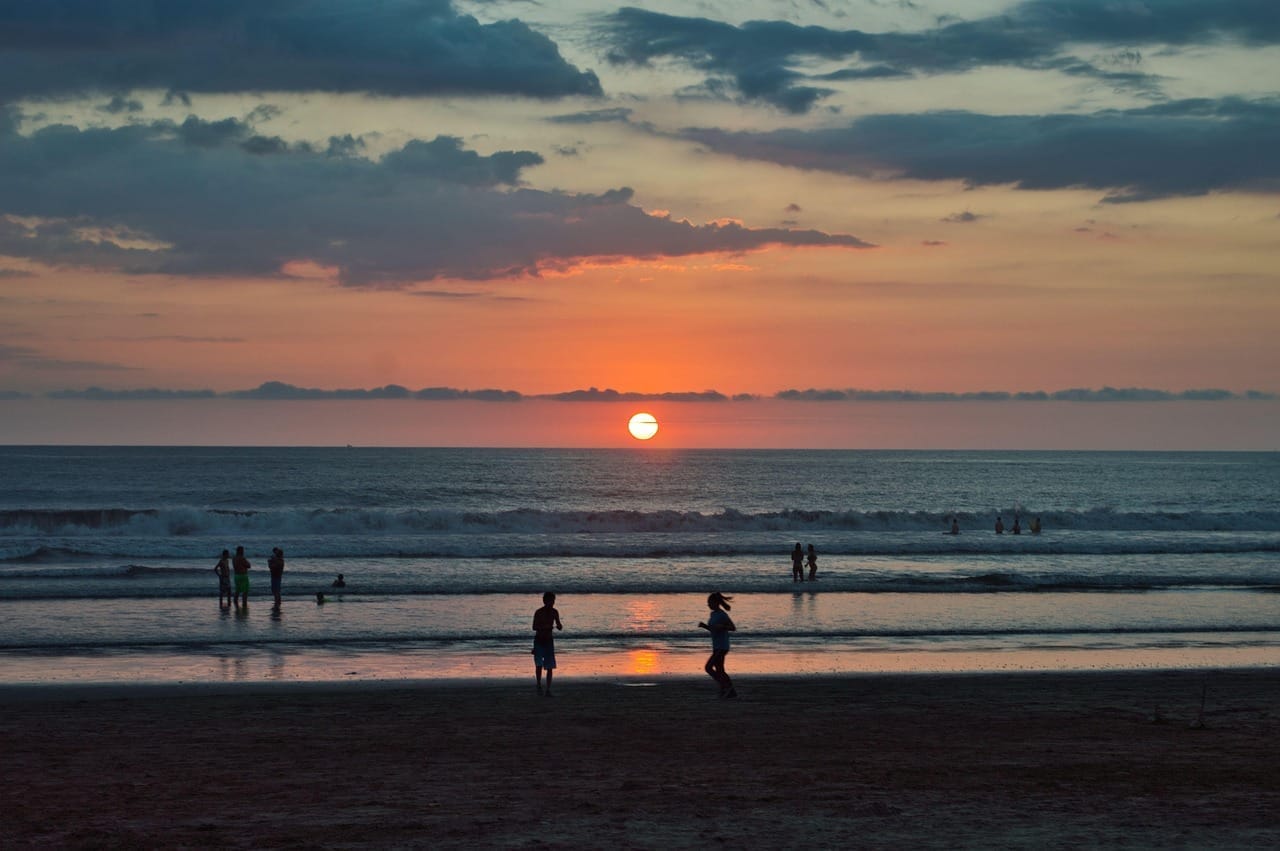
Nosara has cultivated a unique, wellness-focused community on the Nicoya Peninsula, attracting expats who seek yoga, surfing, healthy living, and spiritual growth in a jungle-beach setting. This off-the-grid destination maintains environmental consciousness and a relaxed vibe despite growing popularity.
Why Expats Love It: Nosara offers world-class yoga studios and wellness centers, consistent surf breaks, pristine beaches backed by jungle, and a community deeply committed to sustainable living and environmental protection. The area attracts health-conscious individuals, fostering a culture centered on organic food, meditation, fitness, and holistic practices. The beaches remain uncrowded, with protected areas for turtle nesting. The international community is diverse and open-minded. The remote location keeps development at bay while still providing necessary amenities.
Cost of Living: High due to its popularity among wellness seekers and limited development opportunities. One-bedroom accommodations cost $900-$1,500 per month, with many homes situated in jungle settings. Dining emphasizes healthy, organic options priced from $12 to $25 per meal. Groceries are expensive, especially health foods and imports. Budget $2,500-$3,500 monthly, excluding rent.
Lifestyle & Activities: Yoga is a central part of life in Nosara, with numerous studios offering daily classes, teacher trainings, and retreats. Surfing offers another pillar with multiple breaks catering to various skill levels. Beach activities, horseback riding, stand-up paddleboarding, and nature walks fill free time. The wellness community organizes events, workshops, and ceremonies to promote overall well-being. Farmers' markets offer organic produce. The social scene centers on healthy living rather than partying, although beach bars are available. The remote location requires embracing a slower pace and limited shopping options.
Expat Community: International and diverse, attracting yoga teachers, wellness practitioners, surf instructors, digital nomads, and conscious living advocates. The community is welcoming and spiritually oriented. A mix of permanent residents and extended visitors creates dynamic energy.
Practical Info: Liberia Airport is 2.5 hours away, over partially rough roads that require a 4WD vehicle. Nosara has a small domestic airport for charter flights. English is very common. Internet via fiber optic has reached the area supporting remote work. The area maintains an off-grid character with many properties using solar power and wells.
Best For: Yoga enthusiasts and wellness practitioners, surfers, health-conscious individuals, digital nomads seeking work-life balance, and those embracing sustainable, mindful living.
Grecia (Central Valley)

Grecia, voted Costa Rica's cleanest town multiple times, offers expats an authentic Costa Rican experience with excellent infrastructure, affordable living, and a perfect climate in the Central Valley. This agricultural town maintains a traditional character while welcoming a growing expat population.
Why Expats Love It: Grecia offers genuine Costa Rican living, featuring friendly locals, a weekly farmers' market, traditional festivals, and minimal tourist influence. The climate rivals that of Atenas, with year-round spring-like conditions. Living costs are among the lowest for Central Valley towns with good infrastructure. The modern Hospital San Francisco provides excellent healthcare. The location enables easy access to beaches, San José, and Arenal Volcano. The authentic atmosphere appeals to expats seeking integration over expat bubbles.
Cost of Living: Affordable. One-bedroom apartments cost $400-$700 per month, and houses are available from $500-$900. Dining at sodas costs $5-$8; at restaurants, $10-$15. Groceries are inexpensive, and there are excellent local markets. Budget $1,600-$2,200 per month, excluding rent, for a comfortable living experience, making it one of Costa Rica's best values.
Lifestyle & Activities: Life centers around the central park, featuring a unique metal church, a 19th-century structure made entirely of metal imported from Belgium. The Saturday farmers' market offers fresh produce and a great opportunity for socializing. Local festivals celebrate agriculture and traditions. Day trips include visits to coffee plantations, waterfalls, Sarchi (famous for its oxcarts and crafts), and both coasts. The pace is slow and community-focused with emphasis on outdoor activities and local culture. The town has grown significantly, adding new restaurants and services while maintaining its character.
Expat Community: Growing but smaller than Atenas or beach towns, creating a good balance between expat support and authentic Costa Rican immersion. Predominantly retirees from North America. Spanish knowledge is more important here than in larger expat destinations.
Practical Info: San José airport is 45 minutes away. English is less common than in major expat areas; basic Spanish is helpful. Good internet infrastructure with fiber-optic availability. Excellent healthcare at the local hospital. Requires a car for convenience, though buses serve the area.
Best For: Budget-conscious expats, retirees seeking authenticity, those wanting strong local integration, people prioritizing healthcare access and a perfect climate, and expats preferring smaller communities.
Lake Arenal

The Lake Arenal region offers spectacular volcanic and lake views, a range of outdoor activities, a cooler mountain climate, and authentic rural living in northern Costa Rica. This less-touristed area attracts expats seeking nature, tranquility, and value.
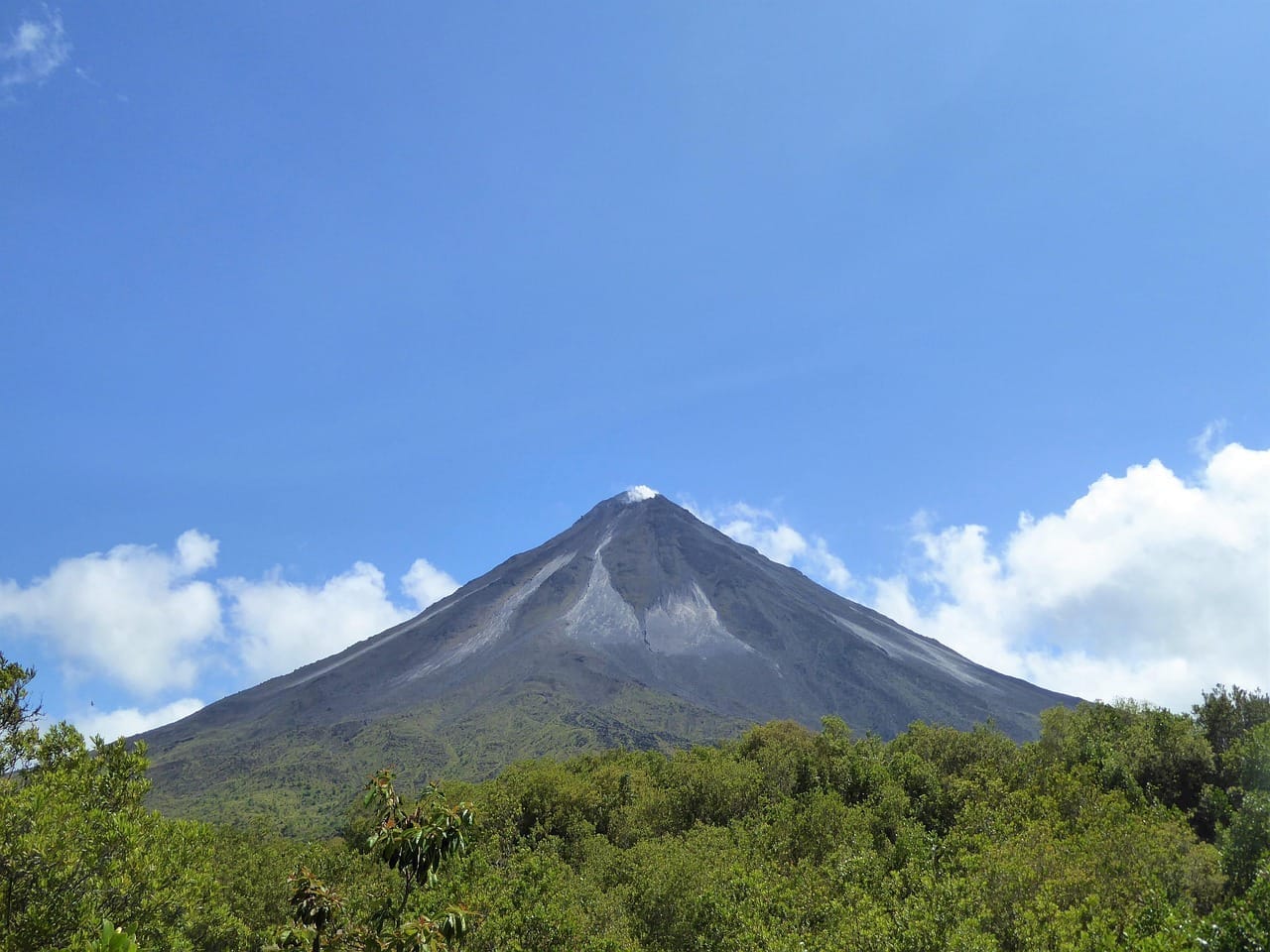
Why Expats Love It: Lake Arenal offers stunning scenery, with the conical Arenal Volcano dominating the views (though it's no longer actively erupting). The large lake offers a variety of activities, including windsurfing, fishing, kayaking, and boat tours. The area maintains a rural Costa Rican character, with small towns like Nuevo Arenal and Tilarán serving the local population. Living costs are significantly lower than in beach or Central Valley expat areas. Proximity to the Monteverde cloud forest, hot springs, and hiking trails offers an adventure. The cooler climate at higher elevations offers relief from coastal heat.
Cost of Living: Affordable. Houses and apartments cost $500-$900 per month, with many properties offering lake or volcano views. Dining at local restaurants costs $6 to $10. Groceries are reasonable. Budget: $1,600- $2,300 monthly, excluding rent, for comfortable living.
Lifestyle & Activities: Outdoor activities center on the lake—windsurfing (world-class conditions), rainbow bass fishing, kayaking, and boat tours. Hiking trails around the volcano and in nearby areas offer exercise and opportunities for wildlife viewing. Hot springs near La Fortuna offer relaxation. The pace is very slow and rural, with minimal nightlife or cultural events. Day trips reach the Monteverde cloud forest, waterfalls, and wildlife refuges. The area requires embracing rustic living and self-sufficiency.
Expat Community: Small and scattered, attracting nature lovers and those seeking solitude over social scenes. The community is tight-knit among permanent residents. Spanish knowledge is essential for integration.
Practical Info: La Fortuna is 30 minutes away; Liberia Airport is 2 hours away. English is limited; Spanish is necessary. Internet connectivity varies significantly by property—research before committing. Healthcare requires traveling to La Fortuna or Tilarán. The area needs a 4WD vehicle and adaptability to rural conditions.
Best For: Nature enthusiasts and outdoor adventurers, budget-conscious expats, those seeking solitude and spectacular scenery, windsurfers and water-sports lovers, and people willing to embrace a rural, off-grid lifestyle.
Manuel Antonio
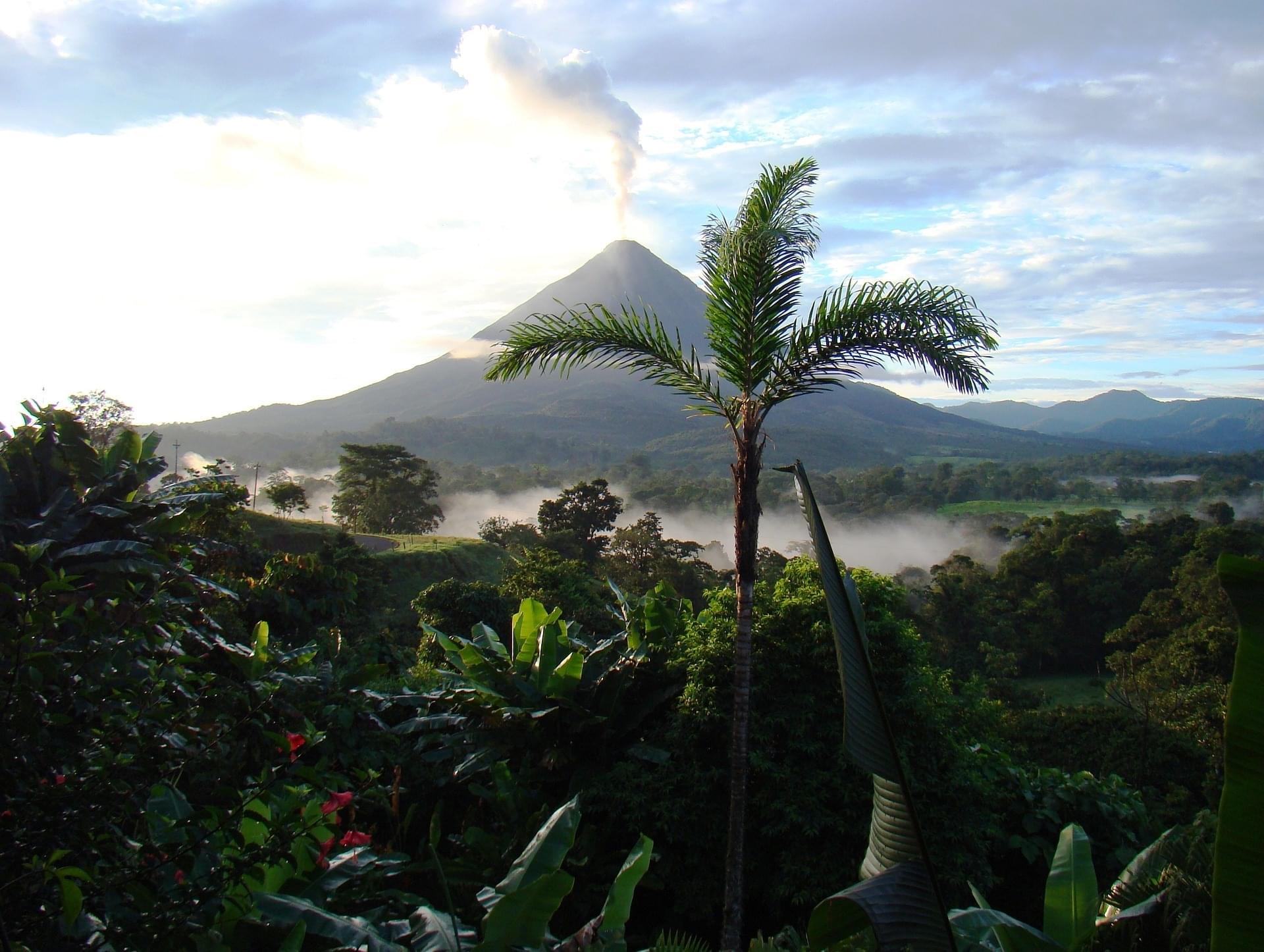
Manuel Antonio delivers a postcard-perfect tropical paradise with its famous national park, stunning beaches, abundant wildlife, and well-developed tourism infrastructure on the Central Pacific coast. This destination attracts expats seeking beauty and adventure with full amenities.
Why Expats Love It: The area combines pristine beaches, lush rainforest, and incredible wildlife in a compact and picturesque setting. Manuel Antonio National Park features white-sand beaches, hiking trails, and a high likelihood of animal sightings, including sloths, monkeys, and exotic birds. The developed infrastructure offers excellent restaurants, tour operators, hotels, and services while preserving the natural beauty. Adventure activities abound—zip-lining, whitewater rafting, sportfishing, and more. The expat community is an active and social one. The location between San José and the southern zones makes exploring convenient.
Cost of Living: High due to the prime location and tourism. One-bedroom condos cost $900-$1,500 per month near the beach, with options available further out for $700-$1,000. Dining ranges from $12 to $18 at casual places to $25 to $40 at tourist restaurants. Groceries are expensive. Budget $2,500-$3,500 monthly, excluding rent.
Lifestyle & Activities: Beach days, wildlife watching, and adventure tours are the dominant lifestyle activities. The national park requires reservations but offers incredible experiences. Sportfishing for sailfish and marlin attracts enthusiasts. Watching the sunset from restaurants and beach bars is a ritualistic experience. The nearby town of Quepos offers a rich local culture and a variety of services. The social scene is active with expats gathering at popular spots. Day trips include visits to waterfalls, farms, and other scenic locations. The area is touristy but also genuinely beautiful.
Expat Community: Well-established and diverse, including retirees, business owners, tour operators, and remote workers. The tourism industry attracts international residents. Social opportunities are plentiful through restaurants, bars, and organized activities.
Practical Info: Quepos has a small airport with domestic flights; San José is 3 hours away. English is widely spoken due to the prevalence of tourism. Good internet infrastructure supports remote work. Healthcare is accessed in Quepos or San José. The winding mountain road to access the area requires careful driving.
Best For: Nature and wildlife enthusiasts, adventure seekers, those seeking developed amenities with a beach lifestyle, retirees seeking an active social scene, and individuals willing to pay a premium for a stunning location.
Puerto Viejo (Caribbean Coast)
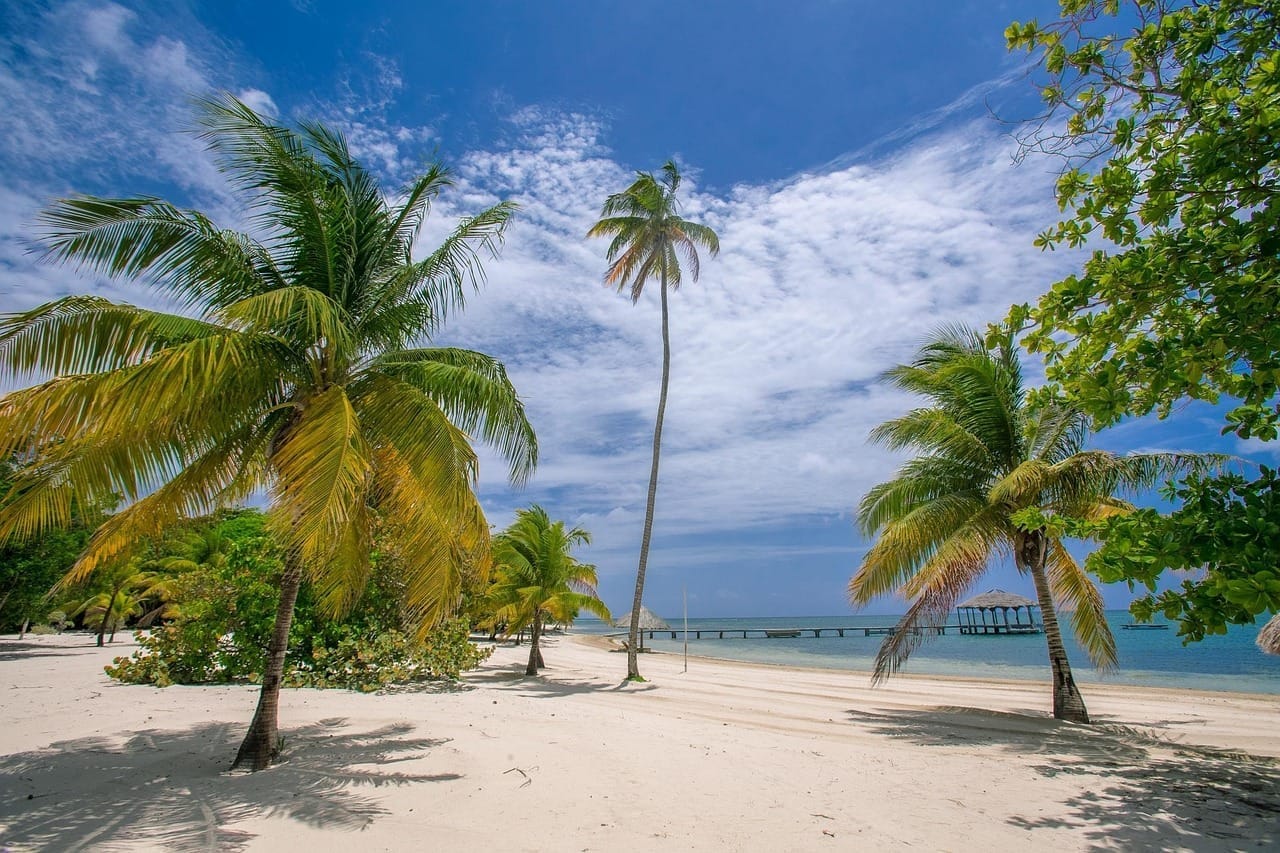
Puerto Viejo offers a laid-back Caribbean vibe, Afro-Caribbean culture, reggae music, and stunning beaches, all set against the diverse natural beauty of Costa Rica's southern Caribbean coast. This bohemian beach town attracts free-spirited expats seeking an alternative lifestyle.
Why Expats Love It: Puerto Viejo offers a unique cultural experience with an Afro-Caribbean influence, creating distinct food, music, and atmosphere that sets it apart from the Pacific coast. The area features stunning beaches like Playa Cocles and Punta Uva, with calm, turquoise waters, surrounded by jungle teeming with wildlife, including sloths, toucans, and poison dart frogs. The town maintains a bohemian character, attracting artists, musicians, and seekers of alternative lifestyles. Nearby Cahuita National Park protects coral reefs and rainforest. The diverse expat community is welcoming and unconventional.
Cost of Living: Moderate. One-bedroom accommodations cost $600-$1,000 per month, many of which are located in jungle settings. Dining at local restaurants costs $8-$15, with Caribbean specialties such as rice and beans with coconut milk. Groceries are moderate. Budget $2,000-$2,500 monthly, excluding rent.
Lifestyle & Activities: Beach days, surfing, snorkeling the Caribbean's only living coral reef, and exploring jungle trails fill time. The town offers reggae bars, beach parties, and laid-back nightlife. Cacao farms, indigenous reserves, and wildlife refuges provide cultural and natural experiences. The Saturday farmers' market brings the community together. The pace is supremely relaxed—"tranquilo" embodies the lifestyle. The rainy season brings significant precipitation, though rain often comes in bursts.
Expat Community: Diverse and alternative, attracting artists, musicians, wellness practitioners, and free spirits from around the world. The community is welcoming and non-judgmental, comprising a mix of permanent residents and extended visitors.
Practical Information: San José is approximately 4-5 hours away; Limón Airport has limited domestic flights. English and Patois (also known as local Creole) are commonly spoken alongside Spanish. The internet has improved, but it can be unreliable during storms. Healthcare is accessed in nearby Hone Creek or Limón. The area receives rain year-round, although December to March are drier. Roads can flood during heavy rains.
Best For: Free-spirited individuals seeking an alternative lifestyle, beach lovers who prefer the Caribbean over the Pacific, reggae and Caribbean culture enthusiasts, nature lovers, and those embracing laid-back, "tranquilo" living.
Montezuma/Santa Teresa (Nicoya Peninsula)

The southern Nicoya Peninsula communities of Montezuma and nearby Santa Teresa offer stunning beaches, excellent surfing, a bohemian atmosphere, and natural beauty, including waterfalls and wildlife. These neighboring towns offer distinct energies—Montezuma, with a more artistic and hippie vibe, and Santa Teresa, which is more surf-focused and developed.
Why Expats Love It: The area boasts pristine beaches with powerful surf breaks that attract serious surfers worldwide. Waterfalls near Montezuma offer swimming holes and hiking opportunities. The communities maintain an alternative, eco-conscious character, emphasizing organic food, yoga, sustainability, and creativity. The natural beauty is extraordinary, with the jungle meeting the ocean. The remote location keeps crowds at bay while still offering necessary amenities. Both towns have grown but maintain a bohemian spirit. Wildlife abounds, including howler monkeys, scarlet macaws, and sea turtles.
Cost of Living: Moderate to high. Accommodations cost $700-$1,200 per month, depending on location and proximity to the beach. Dining ranges from $10 to $15 at casual spots to $20 to $30 at upscale restaurants. Groceries are expensive due to the remote location. Budget $2,200-$3,000 monthly, excluding rent.
Lifestyle & Activities: Surfing dominates Santa Teresa with world-class breaks and numerous surf camps. Montezuma offers artisan markets, yoga studios, waterfall hikes, and bohemian cafes. Both towns provide beach life, sunset-watching, and natural beauty. The nightlife is low-key with beach bars and occasional parties. Day trips explore the Cabo Blanco nature reserve, secluded beaches, and fishing villages. The remote location requires embracing limited shopping, services, and rough roads.
Expat Community: International and diverse, attracting surfers, yoga teachers, artists, digital nomads, and alternative lifestyle seekers. The community is welcoming and creative. A mix of permanent residents and seasonal visitors creates dynamic energy.
Practical Info: Access requires a ferry from Puntarenas (90 minutes) or driving around the gulf (4+ hours from San José). The nearest airports are Tambor (a small domestic airport) or Liberia (approximately 2.5 hours away). English is common. The internet has undergone significant improvements, supporting remote work. Healthcare requires traveling to larger towns. Roads are rough, requiring 4WD. The remote location is part of the appeal but requires adaptability.
Best For: Surfers seeking world-class breaks, bohemian and alternative lifestyle seekers, digital nomads embracing remote beach life, nature lovers, and those valuing natural beauty over convenience and accessibility.
Quick Comparison Table
City/Region
Cost of Living
Best For
Climate
Tamarindo
High
Surfers, social butterflies, convenience seekers
Hot tropical, dry season
Atenas
Moderate
Retirees, perfect weather lovers
Spring-like year-round
San José
Moderate
Professionals, families, urban lifestyle
Spring-like year-round
Uvita
Moderate
Nature lovers, whale watchers, tranquility
Hot tropical, humid
Nosara
High
Yoga enthusiasts, wellness seekers, surfers
Hot tropical, dry season
Grecia
Low-Moderate
Budget-conscious, authenticity seekers
Spring-like year-round
Manuel Antonio
High
Wildlife lovers, adventure seekers
Hot tropical, humid
Lake Arena
Low-Moderate
Nature enthusiasts, budget travelers
Cool mountain climate
Puerto Viejo
Moderate
Caribbean culture lovers, free spirits
Hot tropical, rainy
Montezuma/Santa Teresa
Moderate-High
Surfers, bohemians, remote location lovers
Hot tropical, dry season
Frequently Asked Questions

What is the cheapest expat destination in Costa Rica?
Grecia and Lake Arenal offer the lowest living costs among desirable expat destinations, with comfortable monthly budgets possible from $1,600 to $2,200, excluding rent. Grecia offers Central Valley convenience with a perfect climate, modern healthcare, and authentic Costa Rican living at an exceptional value. Lake Arenal boasts spectacular natural beauty and a range of outdoor activities in a rural setting. Both locations require more Spanish proficiency and cultural adaptation than major expat havens, but provide genuine experiences and significant savings. Smaller towns throughout Costa Rica can be even more affordable, but they may lack adequate infrastructure and expat support networks.
Where do most expats live in Costa Rica?
The Central Valley region, including San José, Escazú, Santa Ana, Atenas, and Grecia, boasts the largest concentration of expatriates due to its ideal climate, access to healthcare, and proximity to the international airport. Tamarindo, located on the Pacific coast, boasts the highest expat population among beach towns, with extensive English-speaking infrastructure. Other popular areas include Manuel Antonio, Nosara, Uvita, and Lake Arenal. Recently, expats are discovering less-developed areas in search of better value and more authentic experiences, although these areas require greater proficiency in Spanish and adaptability.
What is the best city in Costa Rica for English speakers?
Tamarindo, Atenas, and the San José suburbs of Escazú and Santa Ana offer the most English-friendly environments, with large expat populations, English-speaking services, international schools, and the ability to live comfortably with minimal Spanish proficiency. Tamarindo offers a beach lifestyle, while Atenas and San José suburbs offer Central Valley living. However, learning Spanish dramatically enhances your Costa Rican experience, regardless of location, and is essential for navigating bureaucracy, healthcare, emergencies, and building meaningful relationships with Ticos (Costa Ricans). Even in English-heavy areas, Spanish opens doors to authentic cultural experiences and local friendships.
Can I work remotely from Costa Rica?
Yes, Costa Rica welcomes digital nomads and remote workers. Costa Rica's digital nomad visa enables remote workers to reside and work in the country for up to one year, with the option for renewal. To qualify, applicants must have a stable monthly income of at least $3,000 USD and provide proof of remote employment or self-employment. Internet infrastructure has improved dramatically, with fiber optic available in most expat destinations and many rural areas, supporting remote work reliably. Coworking spaces are available in San José, Tamarindo, Nosara, Santa Teresa, and other popular places. Time zone compatibility with North America (Central Time) facilitates work with U.S. and Canadian companies. Research the specific internet speeds of properties before committing, especially in rural or remote locations.
Which city in Costa Rica has the best weather?
Athens, Greece, and the Central Valley region offer arguably the best weather, with year-round spring-like temperatures (70-80°F), minimal humidity, refreshing breezes, and no need for air conditioning or heating. National Geographic recognized Atenas as having the "world's best climate." These areas experience the rainy season (May-November), but rain typically falls in afternoon showers rather than all-day events. If you prefer consistent warmth, Pacific coast towns like Tamarindo and Nosara offer hot, tropical weather with a distinct dry season (December to April), when rainfall is minimal. The Caribbean coast receives rain year-round, yet it offers a unique tropical beauty and consistent temperatures.
Is Costa Rica safe for expats?
Costa Rica is generally considered safe and politically stable, particularly when compared to its neighboring Central American countries. The country abolished its military in 1949 and maintains low violent crime rates. Most expat destinations are very safe, with crime primarily involving petty theft, car break-ins, and pickpocketing in tourist areas rather than violent incidents. San José has higher crime rates than beach or mountain towns; however, staying in safe neighborhoods and exercising common sense typically ensures security. Most expats report feeling safer in Costa Rica than in many U.S. cities. The key is researching specific areas, securing properties properly, avoiding conspicuous displays of wealth, and following local advice. Natural hazards like rip currents and wildlife require respect and caution.
Your Costa Rica Lifestyle
Costa Rica offers diverse expat destinations to suit every preference, from Tamarindo's surf and social scene to Atenas' perfect climate and tranquility, San José's urban conveniences, to Uvita's natural beauty. Whether you're drawn to Pacific or Caribbean beaches, eternal spring in the Central Valley, or misty mountain lakes, you'll find a place where the "pura vida" lifestyle becomes your daily reality while your money stretches further than back home.
The key to success is matching your priorities with the correct location. Beach lovers and surfers thrive in Tamarindo, Nosara, or Santa Teresa. Those prioritizing perfect weather and affordability discover Atenas or Grecia. Nature enthusiasts find paradise in Uvita or Lake Arenal. Urban professionals appreciate the opportunities and conveniences that San José offers. Each destination delivers the fundamental Costa Rican qualities that attract expats: natural beauty, friendly people, political stability, excellent healthcare, and that indefinable "pura vida" approach to living well.
Ready to make your move to Costa Rica? Our Moving to Costa Rica Masterclass is a comprehensive online course covering everything from visa applications and finding housing to opening bank accounts, navigating healthcare, understanding cultural differences, and building your new life. Learn from expats who've successfully made the move and avoid common mistakes that can cost time and money. Whether you're retiring, working remotely, or seeking adventure, this course provides the roadmap you need for a smooth transition to your new home in Costa Rica. Your "pura vida" adventure awaits—¡bienvenidos a Costa Rica!
Global Citizen Life
© 2023 Global Citizen Life
All rights reserved