
Cost of Living in Medellín for Remote Professionals: A Realistic 2026 Breakdown
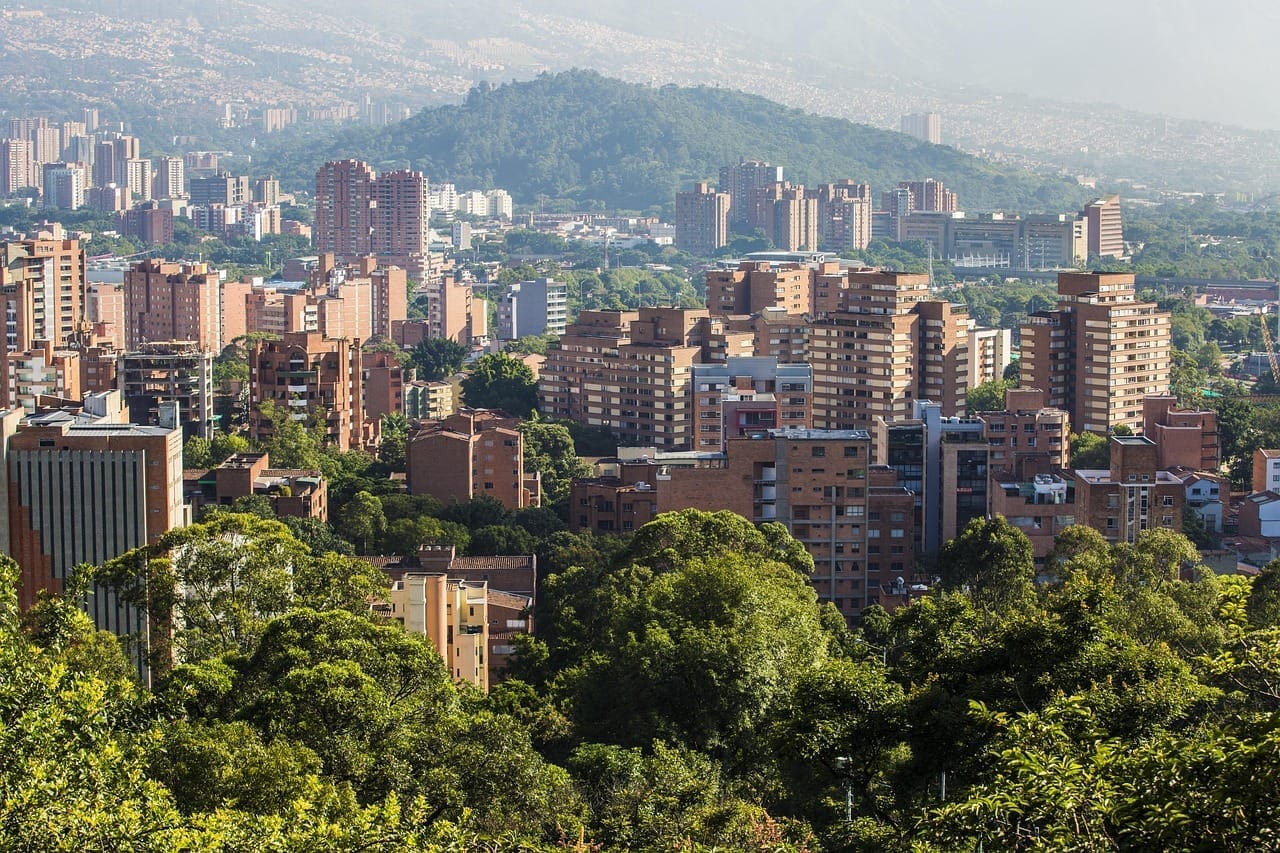
When I first started researching Medellín from my home office in Seattle, every blog seemed to promise paradise at rock-bottom prices. The reality? It's more nuanced than that, and honestly, more interesting. After three years of living here as a cybersecurity consultant working with U.S. clients, I've learned that understanding the true cost of living in Medellín requires looking beyond the clickbait articles promising $800 monthly budgets.
This breakdown reflects what remote professionals actually spend when they want quality infrastructure, reliable services, and a lifestyle that supports productive remote work. These aren't backpacker budgets. They're realistic numbers for professionals who take their work seriously and expect their living situation to support, not hinder, their career.
The Remote Professional Reality Check
Let's establish something important upfront: the costs I'm sharing reflect a professional lifestyle, not budget backpacking. When you're earning U.S. or European income and managing clients across time zones, certain expenses aren't negotiable. Reliable internet, a functional workspace, and housing in safe neighborhoods with decent infrastructure aren't luxuries; they're business necessities.
I've seen too many remote workers arrive here, try to live on minimal budgets, and end up frustrated when their internet drops during client calls or when their apartment floods during the rainy season because they chose the cheapest option. Quality has a price, and in Medellín, that premium buys you reliability and peace of mind.
Housing: Location Determines Everything
Where Remote Professionals Actually Live
The neighborhoods popular with remote workers aren't random. They're the areas with the infrastructure to support professional work. El Poblado dominates this list, but the price variations within the neighborhood are massive.
Monthly Rent Ranges (furnished, utilities included):
Studio apartment (Poblado, Laureles): $920-$1,380
One-bedroom (Poblado prime areas): $1,265-$2,070
Two-bedroom (El Poblado): $1,610-$2,875
Two-bedroom (Laureles, Envigado): $1,265-$1,955
Luxury penthouse (Poblado): $3,450-$5,750+
Here's what matters for remote work: not all El Poblado apartments are created equal. The neighborhood stretches from ultra-modern towers in Provenza and Manila to more traditional buildings near Parque Lleras. The $1,265 one-bedrooms? Usually, older buildings, smaller spaces, and possibly spotty internet. The $2,070 options typically offer better construction, reliable fiber internet, backup generators, and 24/7 security.
The Real Cost of Housing: Beyond Rent
Monthly housing-related expenses add up quickly:
Internet (200+ Mbps fiber): $58-$92
Electricity (with A/C): $69-$138
Water: $23-$46
Gas (cooking, hot water): $12-$23
Building administration (HOA): $69-$230
The administration fee is often overlooked, but it can't be avoided in nice buildings. It covers security, common area maintenance, gym facilities, and building management. The variation depends on building amenities and whether you're in a luxury tower with pools and coworking spaces or a simpler building with basic security.
Unlock the secrets of the world's most successful entrepreneurs with the
Global Wealth Navigator Newsletter
Discover the world's best destinations offering a lower cost of living paired with an enriched quality of life with the Global Wealth Navigator Newsletter. Whether you're a retiree or an entrepreneur, we dive into strategies that open doors to international investments, tax optimizations, and discover the finest destinations offering a superior quality of life. Don't let borders or routine define you; lets find your ideal spot in the world, regardless of your income bracket.

Food and Dining: Supporting Remote Work Life
Grocery Shopping Reality
I spend more on groceries here than many guides suggest, and I'm okay with that. When you're working full-time, you need good nutrition, and sometimes that means buying imported products or higher-quality local items. My monthly grocery bill runs $345-$575, which includes:
Fresh produce from Éxito or Carulla: $115-$172/month
Proteins (mix of local and imported): $138-$230/month
Staples, snacks, beverages: $92-$173/month
The supermarket choice matters. Éxito offers reasonable prices and decent quality. Carulla costs about 20% more but carries more imported products and better produce. Jumbo sits somewhere in between. For specific items, I hit the Palacé supermarket or local markets, which offer better prices on fresh vegetables and fruits.
Eating Out and Coffee Culture
Medellín's food scene has exploded, especially in areas popular with remote workers. Current prices:
Local lunch (menú del día): $5.75-$9.20
Mid-range restaurant dinner: $17.25-$34.50
Nice restaurant with drinks: $46-$80.50
Specialty coffee: $3.45-$5.75
Craft beer: $4.60-$8.05
Quality breakfast spot: $11.50-$17.25
My monthly dining out budget runs $460-$690. That includes regular coffee shop sessions (I work from cafes 2-3 times weekly), weekend meals out, and occasional nice dinners. If you're working from cafes regularly, factor in $3.45-$5.75 per visit, plus the cost of ordering something else every couple of hours.
Transportation: Getting Around Efficiently
Transportation costs depend entirely on your lifestyle and work setup. Here's what different approaches cost:
Public Transportation
Metro single ride: $0.92-$1.15
Monthly metro pass: $46-$69 (depending on usage)
Bus fare: $0.92-$1.15
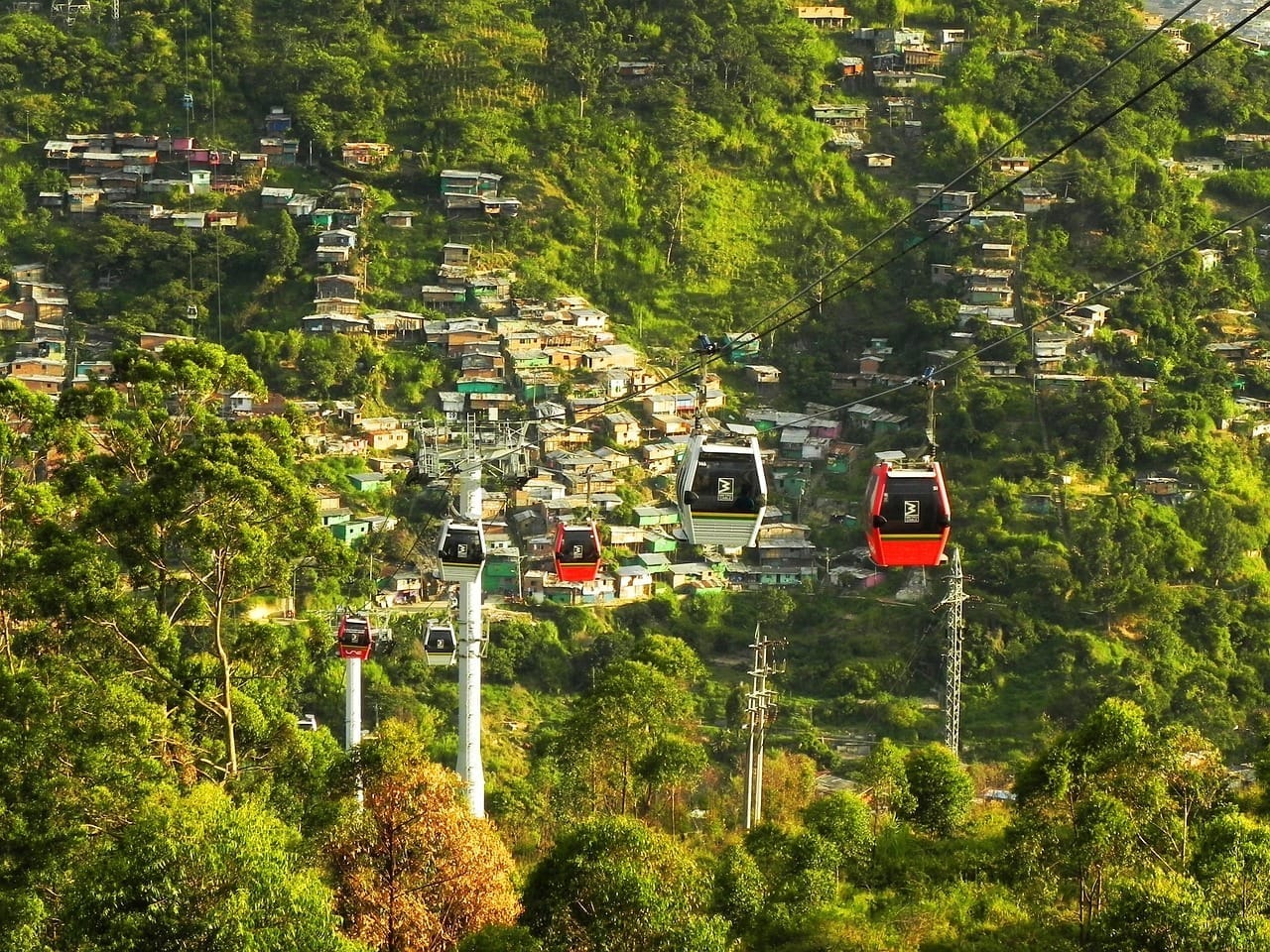
Cable car (metro integration): Included in the metro fare
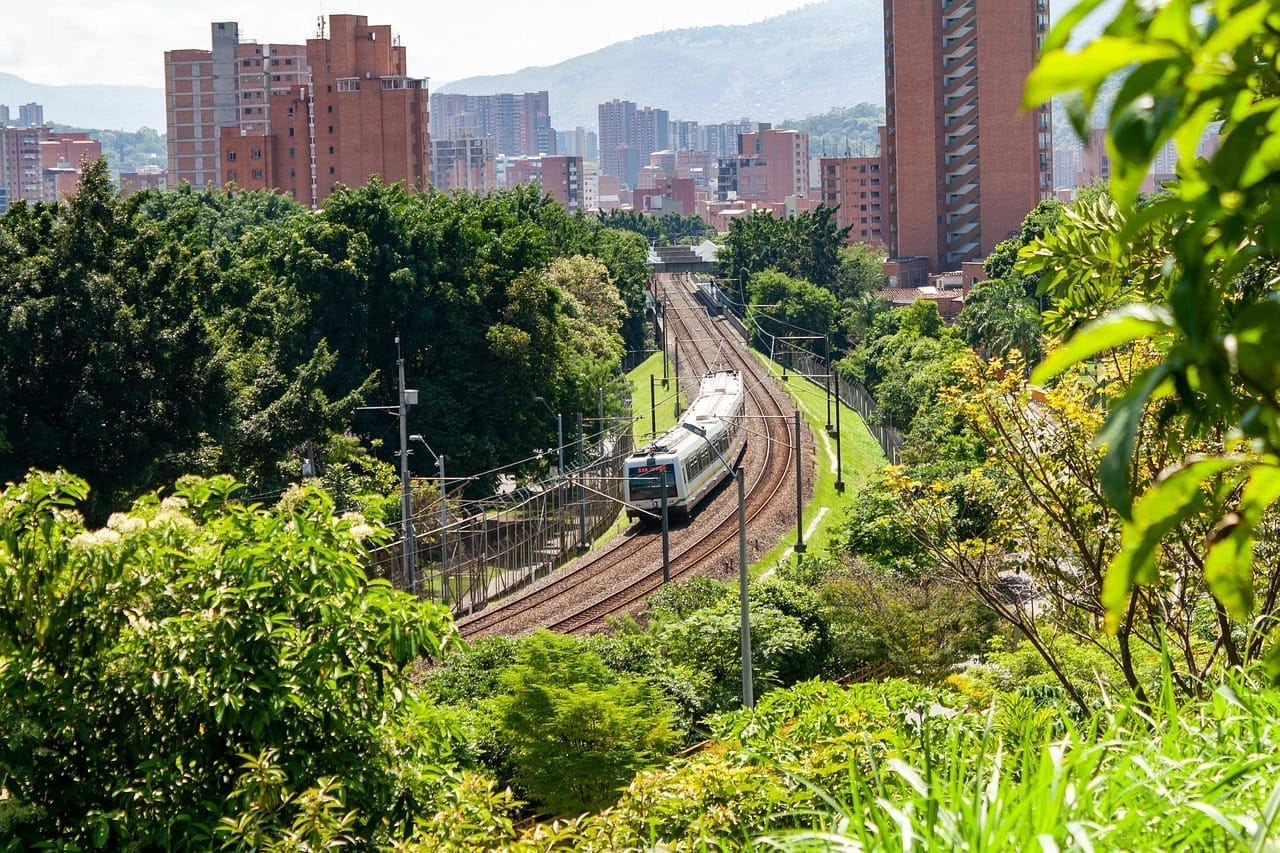
The metro system is clean, safe, and reliable—genuinely one of the best aspects of living here. If you live and work near metro lines, you can manage with minimal transportation costs.
Ride-Sharing and Taxis
Uber/Didi short trip (within Poblado): $3.45-$5.75
Cross-city ride: $6.90-$13.80
Airport ride (from Poblado): $17.25-$28.75
Monthly ride-sharing budget (moderate use): $115-$230
I use a mix: metro for predictable trips, Uber when carrying equipment or running late. My monthly transportation usually runs around $172, split between occasional rides and metro use.
Technology and Remote Work Infrastructure
This is where many cost breakdowns fail remote workers. Your technology setup isn't optional—it's your office, your connection to clients, and your livelihood.
Essential Monthly Services
Primary internet (fiber): $58-$92
Backup internet/mobile hotspot: $23-$46
Mobile phone plan (with data): $18.40-$34.50
VPN service: $9.20-$13.80
Cloud storage/backup: $11.50-$23
Coworking day passes (optional): $11.50-$28.75/day
I maintain two internet connections. My primary fiber connection is rock-solid 95% of the time, but that 5% matters when you're on a client call. The backup mobile hotspot has saved me countless times. Total monthly tech infrastructure: $138-$207, depending on whether I'm using coworking spaces that month.
One-Time Technology Investments
Plan for these initial purchases or replacements:
Quality desk setup: $230-$575
Ergonomic chair: $172-$460
External monitor: $172-$575
UPS/surge protector: $92-$230
Quality webcam/microphone: $115-$287
Power stability varies by neighborhood and building. I invested in a quality UPS after my second unexpected power fluctuation. It's paid for itself in protected equipment and uninterrupted calls.
Healthcare and Insurance
Colombia's healthcare system is excellent, but navigating insurance as a foreigner requires understanding the options.
Insurance Options
International health insurance: $172-$460/month
Colombian private insurance (prepagada): $115-$287/month
Public EPS (if eligible): $92-$230/month
Dental insurance add-on: $23-$58/month
I maintain international coverage that includes emergency evacuation. Colombian private insurance is high-quality and more affordable, but international coverage provides peace of mind for serious situations. Many remote workers start with international insurance, then transition to local prepagada plans after establishing residency.
Out-of-Pocket Healthcare Costs
General doctor visit: $35-$69
Specialist consultation: $69-$138
Dental cleaning: $46-$92
Prescription medications: $12-$58 (most common drugs)
Lab tests: $23-$115
Even without insurance, healthcare is affordable compared to the U.S. I pay out of pocket for minor issues and use insurance for serious situations. Monthly healthcare budget, including insurance: $230- $518.
Lifestyle and Entertainment
One of Medellín's strengths is its ability to maintain an active, social lifestyle without breaking the bank, though costs have risen with the city's growing popularity.
Fitness and Wellness
Quality gym membership: $46-$92/month
Yoga/Pilates studio: $69-$138/month
Personal trainer session: $23-$46/session
Massage: $35-$69/hour
Haircut (quality salon): $18.40-$46
Many modern apartment buildings include gym facilities in the administration fee, adding value to the monthly cost. Standalone gyms range from basic local options to chains like Smart Fit or premium facilities in Poblado.
Entertainment and Activities
Movie ticket: $5.75-$9.20
Concert/live music: $23-$115
Museum entry: $5.75-$18.40
Day trip from city: $46-$138
Spanish lessons: $18.40-$35/hour
Streaming services (Netflix, Spotify): $6.90-$17.25/month
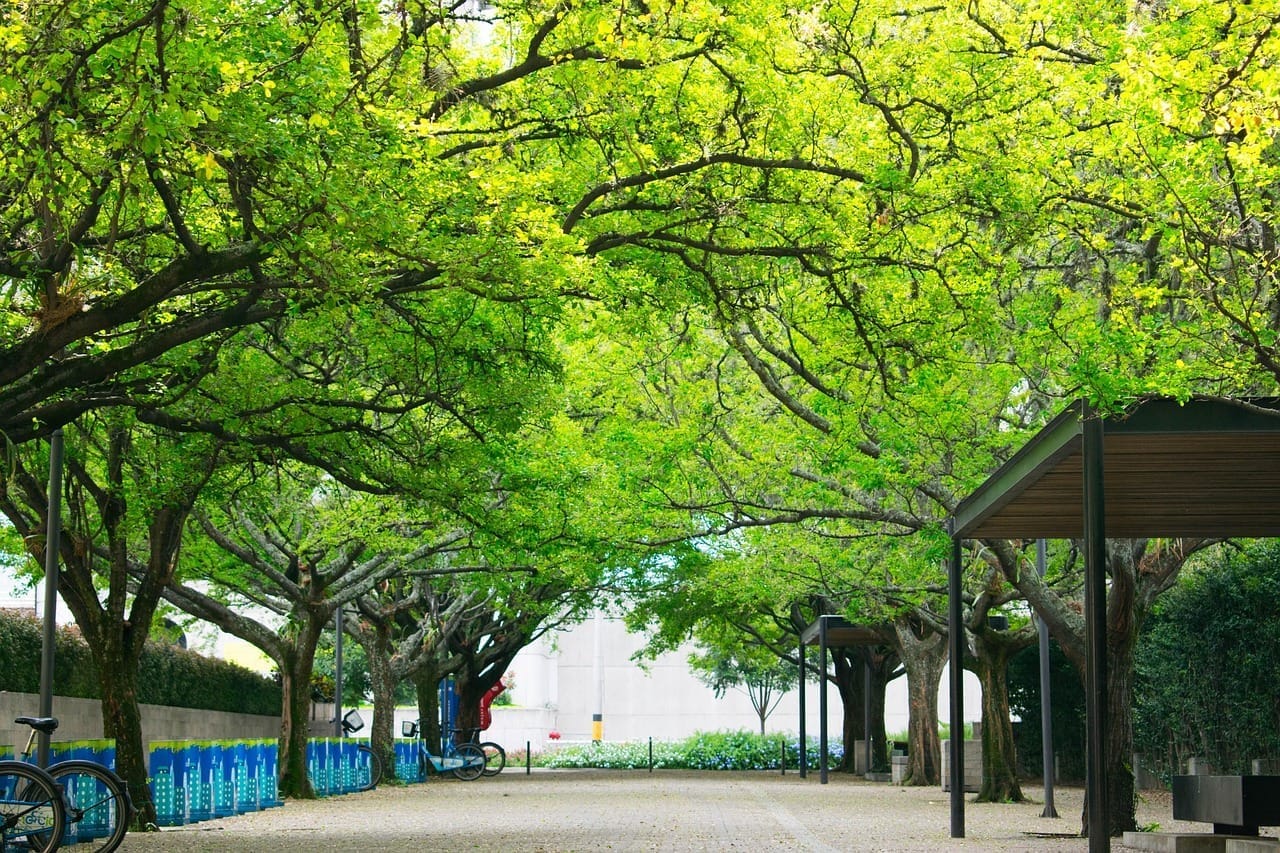
My entertainment budget runs $230- $345 per month. This includes Spanish lessons (essential for integration here), occasional concerts, weekend activities, and random museum visits or day trips. The city offers endless free and low-cost options too: parks, free concerts, hiking, and more. This category flexes significantly based on your interests.
Comprehensive Monthly Budget Breakdown
Let me break down realistic monthly costs for three different remote professional lifestyles:
Comfortable Professional: $2,530-$3,680/month
Housing (one-bedroom in Laureles or standard Poblado): $1,380
Utilities & internet: $230
Groceries: $460
Dining out: $345
Transportation: $115
Tech infrastructure: $138
Healthcare: $287
Fitness & wellness: $92
Entertainment: $230
Miscellaneous: $230
This budget provides a solid quality of life with reliable infrastructure, a nice neighborhood, regular social activities, and the occasional nice dinner out. You're not pinching pennies, but you're also not living luxuriously.
Premium Professional: $3,910-$5,520/month
Housing (prime Poblado, modern building): $2,070
Utilities & internet: $287
Groceries: $575
Dining out: $690
Transportation: $230
Tech infrastructure: $207
Healthcare: $460
Fitness & wellness: $138
Entertainment: $345
Miscellaneous: $460
This is the lifestyle I maintain. You're in a modern apartment with excellent infrastructure, eating well, maintaining your health, and not worrying about costs for work-related needs. You can afford regular nice dinners, spontaneous activities, and the occasional weekend trip.
Luxury Professional: $6,210+/month
Housing (penthouse, luxury building): $3,680
Utilities & internet: $345
Groceries: $690
Dining out: $920
Transportation (including occasional car rental): $460
Tech infrastructure: $287
Healthcare: $575
Fitness & wellness: $230
Entertainment: $460
Miscellaneous: $575
This tier gets you the best Medellín has to offer: penthouse living, regular high-end dining, comprehensive healthcare, premium services, and the freedom to not think about most purchases. Some professionals maintain this lifestyle, especially those with high-earning clients or who host business associates in the city.
Hidden Costs and One-Time Expenses
Beyond monthly recurring costs, several one-time or occasional expenses affect your budget:
Setting Up Shop
Initial apartment deposit: 1-2 months rent ($1,265-$4,140)
Furniture and household items: $1,150-$4,600
Office setup: $575-$1,725
Kitchen basics: $230-$575
Initial grocery stock: $230-$460
Most furnished apartments include basics, but you'll still need to outfit your workspace properly and add personal touches. Many remote workers arrive with minimal luggage and build up their living situation over the first few months.
Legal and Administrative
Visa costs (work visa): $460-$805
Cédula de extranjería: $138
Legal consultation: $230-$575
Document apostilles/translations: $115-$345
Bank account setup: Free-$58
If you're planning to stay long-term, factor in visa costs. The migrant visa (for remote workers) has become more accessible, though the process requires patience and proper documentation. Working with a lawyer familiar with digital nomad visas typically costs $345-$575 and saves considerable frustration.
Smart Money Management in Medellín
Banking and Currency
Understanding how to manage money efficiently saves significant amounts over time. Colombian banks have improved their international capabilities, but challenges remain for foreign account holders.
Key financial considerations:
Exchange rates fluctuate significantly—2,000-5,000 COP to the dollar over the past few years
ATM fees average $3.45-$6.90 per withdrawal, plus your bank's foreign transaction fees
Credit card acceptance is widespread in Poblado, but spotty elsewhere
Wise and similar services offer better exchange rates than traditional banks
Opening a Colombian bank account requires residence documentation
I maintain both U.S. and Colombian accounts. Most clients pay to my U.S. account, and I transfer funds as needed using Wise. This approach minimizes currency conversion fees and keeps most money in dollars until needed.
Taxes: The Complicated Part
Tax implications for remote workers in Colombia are complex and depend heavily on your specific situation. The key factors:
Spending more than 183 days in Colombia typically triggers tax residency
Colombia taxes worldwide income for residents
The U.S. taxes citizens on worldwide income regardless of residence
Tax treaties may prevent double taxation, but filing requirements remain
Professional tax consultation: $345-$1,150 annually
I work with both U.S. and Colombian tax professionals. This isn't an area to DIY. The rules are nuanced, penalties are real, and proper structure can save thousands annually. Budget for professional help.

Seasonal and Variable Costs
Certain costs spike seasonally or vary based on circumstances:
Travel and Visa Runs
Flight to neighboring country: $115-$345
Weekend visa run expenses: $345-$690
Return trip to home country: $575-$1,380
Colombian domestic travel: $138-$460 per trip
If operating on tourist visas, you'll need to exit every 90-180 days. Panama, Ecuador, and Peru offer convenient short trips. Colombia's domestic destinations: Cartagena, Santa Marta, Tayrona, and Salento provide excellent breaks from city life at reasonable costs.
Weather and Climate Costs
Medellín's "eternal spring" climate is real, but microclimates vary significantly. El Poblado and lower elevations tend to be warmer than Laureles or areas at higher altitudes.
Air conditioning (if needed): Adds $46-$92 to electricity monthly
Rainy season gear (umbrella, rain jacket): $46-$115 one-time
Dehumidifier: $92-$230 one-time
Rainy seasons (April-May, October-November) affect daily life more than you'd expect. Buildings without proper climate control can develop humidity issues. I invested in a dehumidifier for my home office that runs year-round.
Is Medellín Still Affordable? The Real Answer
Compared to major U.S. cities? Absolutely. Compared to five years ago? Prices have risen significantly. Compared to other Latin American cities popular with remote workers? Medellín sits in the middle; more expensive than places like Guatemala City or Cuenca, less expensive than Buenos Aires or São Paulo.
What makes Medellín worth the cost is its high-quality infrastructure. You get reliable internet, modern apartments, excellent healthcare, safe neighborhoods, and a growing community of remote professionals. All at prices significantly below comparable cities in North America or Europe.
The key is setting realistic expectations. If you're coming here expecting $800 monthly budgets, you'll be disappointed, or constantly cutting corners that affect your work quality. If you're coming prepared to spend $2,500-$4,000 monthly, you'll find excellent value and quality of life that supports productive remote work.
The Value Proposition
What am I getting for my $4,200 monthly spend in Medellín versus what I spent in Seattle?
The comparison is striking:
Better weather year-round (goodbye seasonal depression)
Modern apartment with mountain views versus a cramped Seattle studio
Healthcare that doesn't require navigating Byzantine insurance systems
Significantly lower cost of living without sacrificing quality
Time zone that actually aligns with U.S. clients (unlike Southeast Asia)
Growing English-speaking community without overwhelming tourism
My Seattle life cost me $6,500+ monthly for significantly less space, worse weather, and higher stress. Medellín offers a better quality of life at 60-70% of the cost.
Practical Tips for Managing Costs
After three years, I've learned strategies that make living here more affordable without compromising work quality:
Housing Optimization
Negotiate longer leases for lower monthly rates
Pay rent annually for a 10-15% discount (if cash flow allows)
Consider Laureles or Envigado for better value than central Poblado
Factor in building amenities when calculating actual costs
Test the internet thoroughly before committing to any apartment
Food and Dining
Shop at multiple supermarkets—prices vary significantly
Hit local markets for produce (Minorista for bulk, neighborhood plazas for convenience)
Lunch menus (menú del día) offer excellent value at local restaurants
Coffee shops outside Poblado cost 30-40% less for equivalent quality
Learn to cook local ingredients; imported products carry massive markups
Technology and Services
Claro and Movistar offer similar internet quality at different price points; shop around
Buy Colombian SIM cards rather than relying on expensive roaming
Coworking day passes cost less than monthly memberships if used 2-3 times weekly
Share office equipment costs with other remote workers in your building
Final Thoughts: Setting Yourself Up for Success
The cost of living in Medellín for remote professionals in 2026 is higher than most blogs suggest, but it still offers excellent value compared to major cities in North America and Europe. The key is entering with realistic expectations and proper preparation.
Budget $2,500-$3,500 per month if you want a comfortable, professional lifestyle with reliable infrastructure. Budget $3,500- $5,000 if you want premium amenities and financial freedom. Budget $5,000+ if you want luxury living or plan to entertain clients regularly.
Whatever your budget, prioritize these non-negotiables: reliable internet, a safe neighborhood with good infrastructure, proper workspace setup, and sufficient emergency reserves. Compromising on these fundamentals to save money usually ends up costing more in lost productivity, stress, and reduced quality of life.
Medellín remains one of the best cities in Latin America for remote professionals, not because it's the cheapest, but because it offers the right balance of affordability, infrastructure, climate, and community. Come prepared to invest in that quality, and you'll find it money well spent.
Written by Kevin Martin
Kevin Martin is a cybersecurity consultant from the USA who relocated to Medellín, Colombia, drawn by the city's ideal climate, affordability, and vibrant lifestyle. With expertise in remote work infrastructure and digital innovation, Kevin shares practical insights on navigating Colombia's tech landscape, remote work opportunities, and the realities of expat life. His writing balances technical knowledge with on-the-ground experience to help others make informed decisions about living and working in Colombia.
Read all our articles about Colombia here.
Global Citizen Life
© 2023 Global Citizen Life
All rights reserved