
Coffee Region Road Trip: A Tech Professional's Guide to Colombia's Zona Cafetera
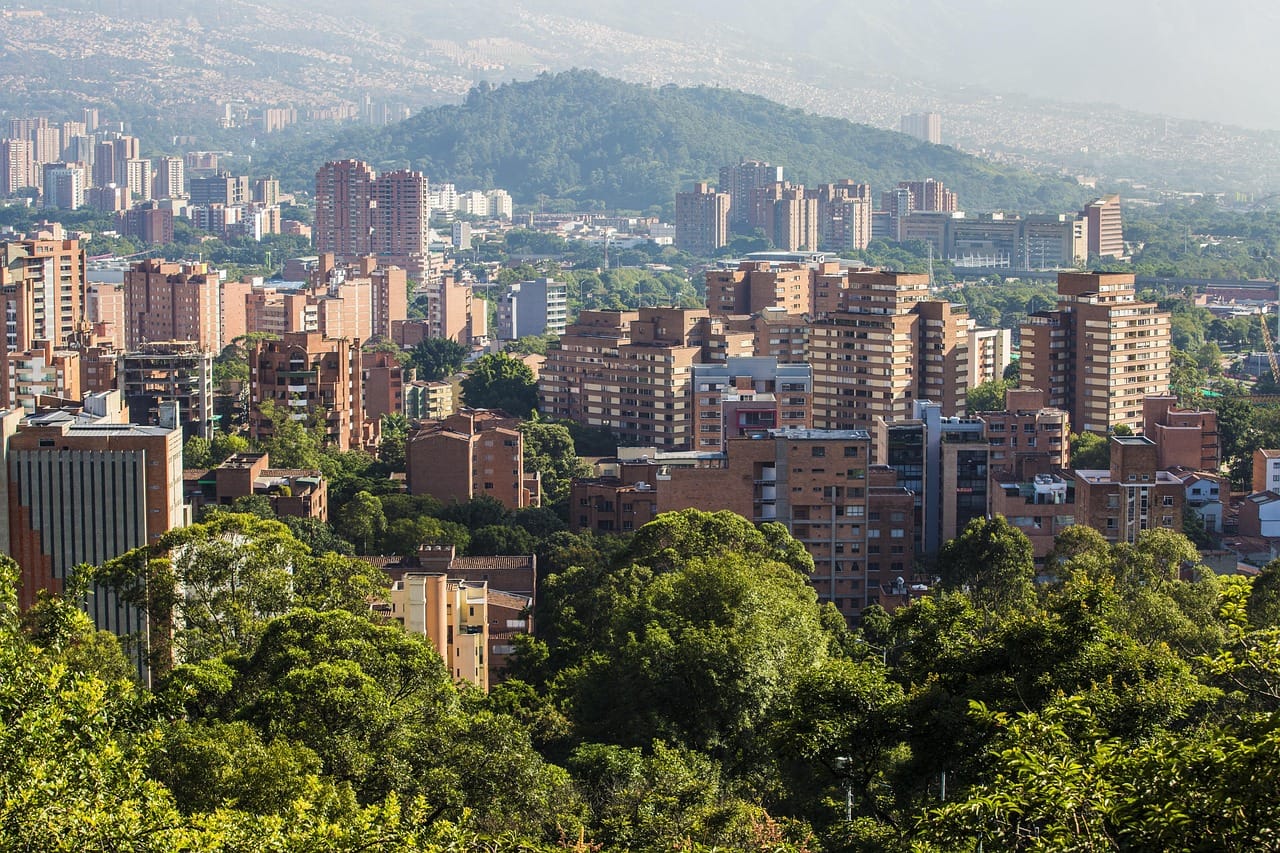
As someone who spends most days glued to screens and video calls, I've learned that Colombia's Coffee Region offers the perfect antidote to digital burnout. The Zona Cafetera isn't just a tourist destination; it's a productivity reset disguised as a weekend getaway. After dozens of trips between Medellín and this verdant landscape, I've developed a tech professional's approach to exploring one of Colombia's most accessible yet transformative regions.
Why Tech Professionals Are Discovering the Coffee Region
The Zona Cafetera represents something increasingly rare in our hyperconnected world: a place where you can genuinely disconnect without feeling professionally irresponsible. Located just 4-6 hours from Medellín by car or a short flight from most major Colombian cities, the region's three primary departments (Caldas, Risaralda, and Quindío) offer surprisingly robust infrastructure wrapped in mountain scenery that makes the Pacific Northwest look tame.
What surprised me most wasn't the coffee tourism (though that's exceptional), but rather how many remote workers I've encountered using the region as an extended workation destination. The combination of reliable internet in town centers, exceptional climate, and significantly lower costs than coastal tourist traps creates an environment where you can actually get work done while enjoying one of the world's most renowned agricultural landscapes.
Planning Your Road Trip: Connectivity Considerations
Before romanticizing a spontaneous road trip, let's address the practical reality: connectivity varies dramatically across the Coffee Region. In the main towns of Manizales, Pereira, and Armenia, you'll find fiber connections, coworking spaces, and cell service that rivals Medellín. Ten kilometers into the mountains, and you might be lucky to get 3G.
I recommend the following approach for anyone who can't completely disconnect:
Book accommodations in or near town centers for work days, then use rural fincas for weekends or genuine vacation time. The cost differential isn't significant enough to justify the connectivity headaches. A comfortable hotel in Salento's town center runs $60-$90 per night with reliable WiFi, while a stunning finca 30 minutes outside town might be $75-$115 but with internet that drops every time it rains.
Invest in a quality Colombian SIM card before leaving Medellín or Bogotá. Claro and Movistar both offer decent coverage in the region, but signal strength varies wildly. I've found that having two different carriers (one for my phone, one for a mobile hotspot) provides essential redundancy when you absolutely need connectivity.
Plan your route with backup options. Mountain roads can close due to landslides, especially during the rainy season (April-May and October-November). The Waze app is far more reliable than Google Maps for real-time road conditions, and local drivers consistently update it.
Unlock the secrets of the world's most successful entrepreneurs with the
Global Wealth Navigator Newsletter
Discover the world's best destinations offering a lower cost of living paired with an enriched quality of life with the Global Wealth Navigator Newsletter. Whether you're a retiree or an entrepreneur, we dive into strategies that open doors to international investments, tax optimizations, and discover the finest destinations offering a superior quality of life. Don't let borders or routine define you; lets find your ideal spot in the world, regardless of your income bracket.

The Essential Three-Town Circuit
Most visitors focus on the triangular route connecting Manizales, Pereira, and Armenia, with side trips to smaller towns like Salento and Filandia. This makes logistical sense, as these cities anchor the region's infrastructure while providing easy access to coffee farms, hot springs, and hiking.
Manizales, the northernmost point, sits dramatically on mountain ridges at an elevation of around 2,150 meters (7,050 feet). The city itself won't blow you away aesthetically, but it serves as an excellent base for exploring the Los Nevados National Park and offers the most sophisticated urban infrastructure of the three main cities. The Universidad Nacional campus here is impressive, and you'll find several coworking spaces catering to digital nomads and remote workers.
Pereira strikes a balance between urban convenience and access to coffee culture. As the largest city in the triangle, it has the best shopping, medical facilities, and restaurant diversity. The Parque Arboleda neighborhood has become something of a digital nomad hub, with reliable internet, modern apartments for rent, and enough cafes to satisfy even the most particular remote worker. Expect to pay $750-$1,150 per month for a furnished apartment in a decent area, significantly less than in Medellín's Poblado or Laureles neighborhoods.
Armenia, the smallest of the three capitals, serves primarily as a gateway to Quindío's coffee farms and the incomparable Cocora Valley. Unless you're specifically doing business in Armenia, I'd recommend staying in Salento instead and just passing through Armenia for supplies or the airport.
Salento: The Zoom Call Backdrop You've Been Searching For
Salento deserves its own section because it's become the poster child for Coffee Region tourism. The colorful colonial architecture makes for exceptional video call backgrounds, and I've lost count of how many times colleagues have asked about the vibrant buildings visible through my window.
The town's main drag can feel overwhelmingly touristy on weekends, with vendors hawking the same mass-produced crafts you'll find anywhere in Colombia. But the surrounding area justifies the hype. The Cocora Valley, accessible via a $4 jeep ride from town, features the world's tallest palm trees rising from a cloud forest in a scene so surreal it looks Photoshopped.
For tech professionals considering an extended stay, Salento's challenge is scale. It's a small town that gets overwhelmed on weekends and holidays. Visit Monday through Thursday, and you'll find a completely different experience: quiet streets, available tables at restaurants, and locals actually going about their daily business. I've worked full weeks in Salento during low season, and the productivity gains from reduced noise and stress easily offset the slight decrease in internet reliability compared to Medellín.
Budget $35-$60 per night for decent accommodations in town, $90-$150 for something special with a view. Meals run $12-$20 at tourist-oriented restaurants, $6-$10 at local spots. The town has several cafes with reliable WiFi, though you'll want to arrive early to secure a table during peak season.
Coffee Farm Tours: Beyond the Instagram Aesthetic
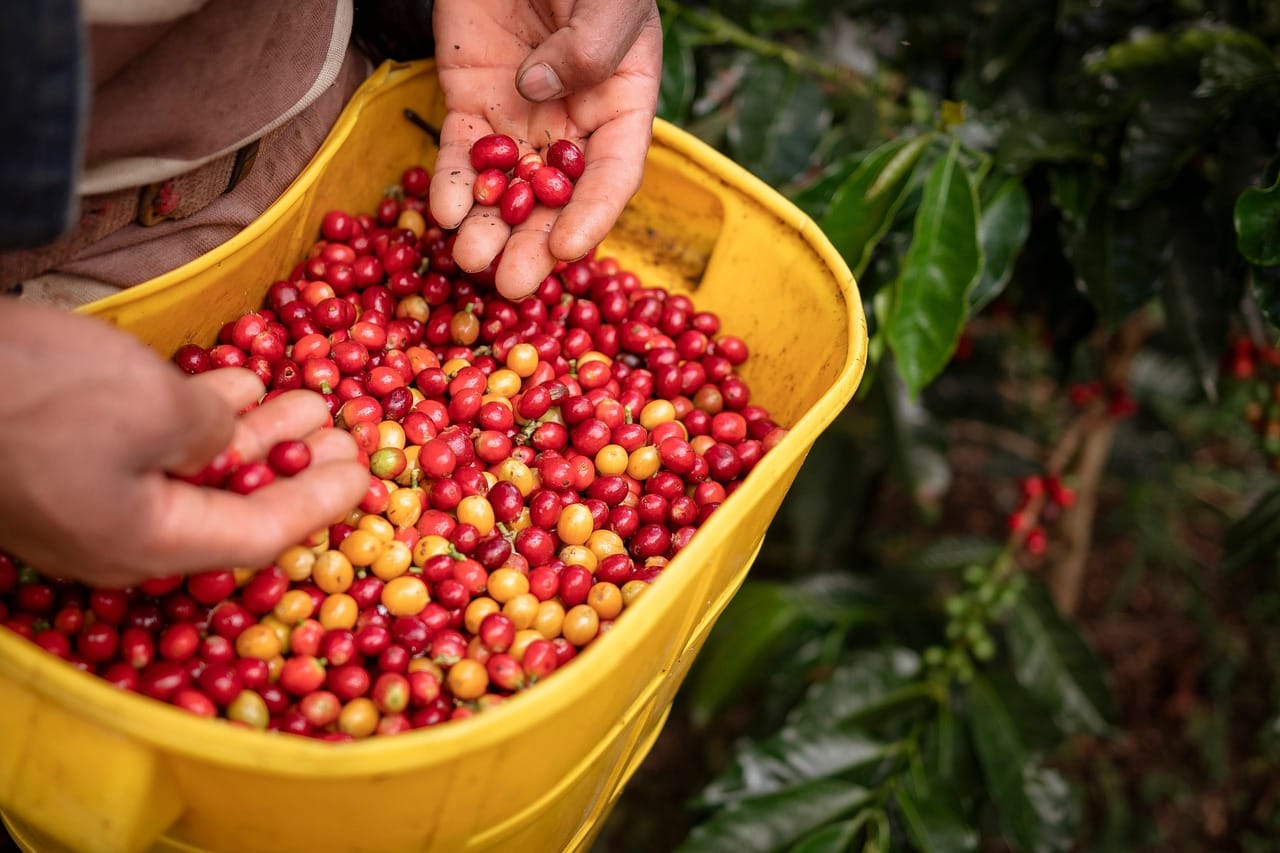
Every travel blog gushes about coffee farm tours, and they're not wrong to do so. However, as someone who works in tech, I approached these tours skeptically, expecting sanitized experiences designed for tourists who wouldn't know a cherry from a bean.
The reality surprised me. Colombia's coffee industry is remarkably transparent about its challenges: climate change affecting growing regions, price volatility, and the tension between traditional methods and modernization. The parallels to tech industry disruption are striking.
I recommend seeking out working farms that offer tours as a secondary business rather than farms that exist primarily for tourism. Finca El Ocaso near Salento and Hacienda Venecia near Manizales both provide substantive tours that go beyond the basics. Expect to pay $30-$45 per person for a comprehensive tour including tasting, and budget 3-4 hours for the full experience.
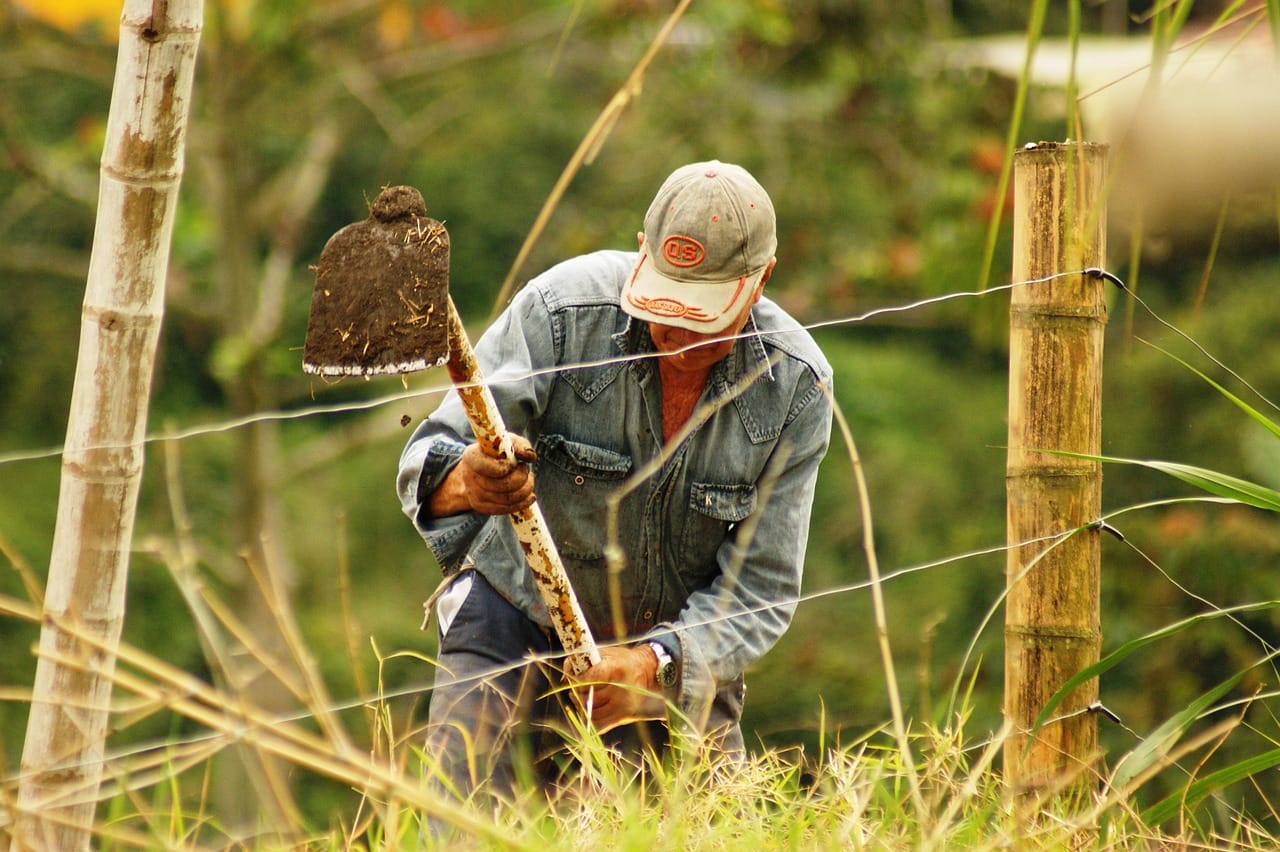
The agricultural technology on display is fascinating if you pay attention. Many farms have implemented sophisticated monitoring systems, precision irrigation, and data analytics that rival those of Silicon Valley startups. The difference is they're applying these tools to century-old farming traditions rather than disrupting them.
Thermales: Natural Hot Springs as Recovery Infrastructure
The Coffee Region's volcanic geology gives rise to numerous hot springs, which locals call termales. After months spent hunched over keyboards, these natural spas offer genuine therapeutic benefits beyond simple relaxation.
Termales Santa Rosa de Cabal remains the most accessible option from Pereira, though it can be overcrowded on weekends. The facility itself feels somewhat dated, but the hot springs are legitimate, and the surrounding cloud forest is spectacular. Entrance costs around $30-$40 per person, and I recommend arriving when they open to avoid crowds.
For a more upscale experience, Termales San Vicente, near Santa Rosa de Cabal, offers better facilities and fewer crowds at $45-$60 per person. The hot pools are well-maintained, and they've invested in actual infrastructure rather than just capitalizing on natural resources.
Driving in the Mountains: Technical Specifications
Renting a car for the Coffee Region makes sense if you want flexibility, though it comes with legitimate challenges. Colombian mountain driving is no joke, and these roads demand attention that touchscreen-addicted tech professionals (myself included) aren't always great at providing.
Rental costs run $40-$70 per day for a basic sedan, $60-$95 for an SUV. I strongly recommend the SUV despite the price increase. The ground clearance and stability on mountain roads justify the premium, and fuel costs in Colombia are relatively reasonable at around $3.50-$4.00 per gallon.
The roads themselves range from excellent to terrifying. The main routes between cities are generally well-maintained, though expect frequent curves and significant elevation changes. Secondary roads to fincas and smaller towns can deteriorate rapidly, especially after rain.
What Google Maps estimates as a 30-minute drive might take 50 minutes in reality due to road conditions and overly cautious drivers blocking narrow mountain lanes.
Colombian drivers have a peculiar habit of using hazard lights to indicate they're going slowly rather than pulling over to let faster traffic pass. This becomes relevant when you're stuck behind a truck crawling up a mountain grade at 15 kph. Patience is essential; aggressive passing on blind curves is how foreigners end up in Colombian news reports.
Weather Realities and Climate Variations
The Coffee Region's climate varies dramatically by elevation, creating microclimates that can shift within a 20-minute drive. Manizales at 2,150 meters averages 17°C (63°F) and can feel genuinely cold, especially in the evenings. Pereira, at 1,400 meters, averages around 21°C (70°F) most of the year. Armenia, at a similar elevation to Pereira, shares comparable temperatures.
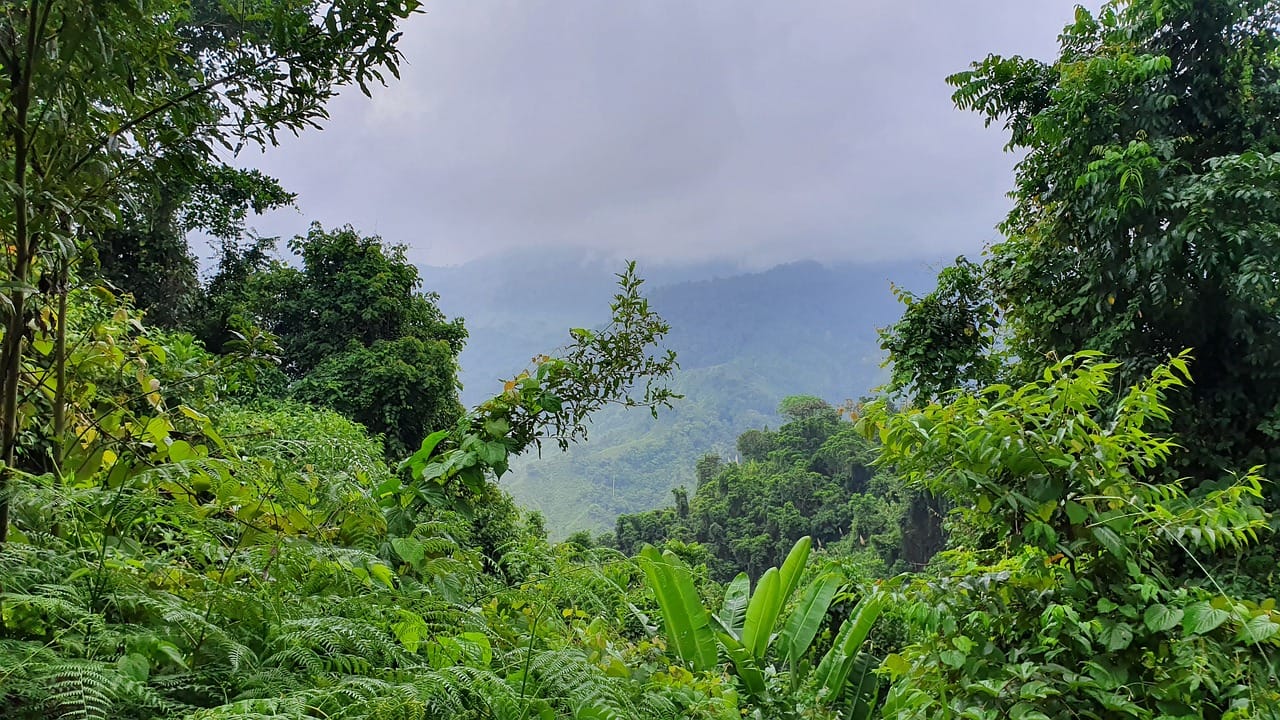
The real variable is rainfall. The region experiences two rainy seasons (April-May and October-November), during which afternoon downpours are virtually guaranteed. This isn't the brief tropical rain of coastal areas but sustained precipitation that can last hours. Pack accordingly and don't plan hiking or outdoor activities after 2 PM during these months.
Dry seasons (December-March and July-August) offer the most reliable weather, though the region never truly dries out due to cloud-forest moisture. I've found January and February ideal for extended working stays, combining pleasant weather with lower tourist volumes after the holiday rush.
Food Scene: Beyond Tourist Traps
The Coffee Region's culinary reputation centers on traditional paisa food: bandeja paisa, sancocho, and arepas. These hearty meals sustained agricultural workers for generations and remain staples. However, the region's growing expat and digital nomad population has significantly diversified the food scene.
In Salento, the main street overflows with tourist restaurants serving mediocre food at inflated prices. Walk two blocks in any direction, and you'll find local spots where workers actually eat. A massive bandeja paisa at a neighborhood restaurant costs $8-$12 compared to $15-$20 on the main plaza. The quality difference favors the local spots.
Pereira has developed the most sophisticated restaurant scene, with international options that don't sacrifice quality for novelty. The Circunvalar area offers everything from sushi to Italian, generally well-executed and reasonably priced at $15-$30 per person for dinner with drinks.
Coffee quality varies wildly. Many tourist-oriented cafes serve mediocre coffee despite being surrounded by world-class beans. The best coffee often comes from small roasters selling directly to consumers or from farm shops that control the entire process. Expect to pay $2.50-$4.00 for exceptional coffee, comparable to that of specialty shops in the US.
Practical Cost Breakdown for Extended Stays
For tech professionals considering the Coffee Region as a temporary base, here's a realistic monthly budget for comfortable living:
Accommodation in Pereira or Manizales runs $750-$1,150 for a furnished one-bedroom apartment in a safe area with reliable internet. Salento is cheaper for long-term rentals, with monthly rates of $575-$900, though options are limited. Short-term vacation rentals will cost significantly more, often $1,150-$1,725 monthly.
Food costs depend heavily on cooking versus eating out. Shopping at local markets and cooking keep monthly food expenses around $300-$450. Eating out regularly pushes this to $575-$750. Factor in Colombia's excellent coffee culture, and you'll spend more on cafes than you planned.
Utilities, including internet, typically cost $60-$115 per month. Coworking spaces cost $100-$175 monthly for full-time access, if needed. Transportation varies widely: if you're staying in one town, walking suffices. Regular trips between towns or weekend explorations can add $175-$300 monthly for car rentals or buses.
Total monthly costs for a comfortable lifestyle land between $2,000-$3,000, roughly 30-40% less than comparable living in Medellín and significantly cheaper than US coastal cities.
Security Considerations
The Coffee Region is generally safe by Colombian standards, with crime rates significantly lower than in Medellín or Bogotá. However, this doesn't mean zero risk, and tourists remain targets for opportunistic theft.
In main towns, standard precautions apply: don't flash expensive electronics, stay aware of your surroundings, and avoid isolated areas after dark. The tourist zones in Salento and Filandia are heavily patrolled and quite safe, though pickpocketing occurs during crowded weekends.
Rural areas present different concerns. Driving at night on mountain roads isn't recommended due to poor lighting, unpredictable road conditions, and limited emergency services. I've never felt unsafe at fincas or farms, but cellular coverage gaps mean you're genuinely on your own if something goes wrong.
The Colombian military maintains a presence in the region, and you'll occasionally encounter checkpoints on main roads. These are routine security measures; have your passport ready and be respectful.
Alternative Destinations Within the Region
Beyond the standard tourist circuit, the Coffee Region offers several underappreciated destinations worth exploring if you have extra time.
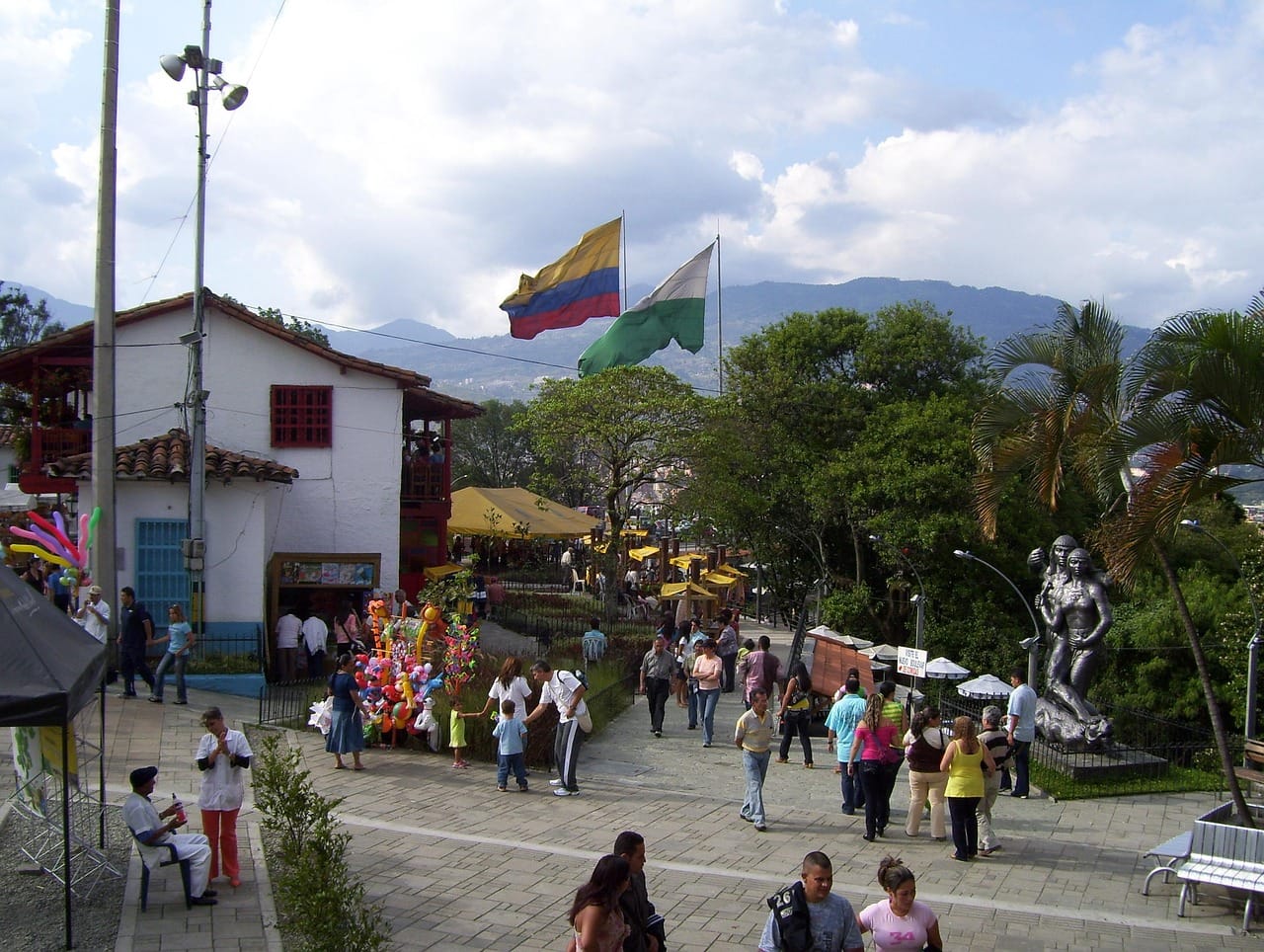
Filandia, often overshadowed by Salento, provides similar colonial architecture with fewer tourists. The town's mirador (viewpoint tower) offers panoramic views of the surrounding coffee farms and mountains. I've found Filandia more conducive to actual work than Salento, with several quiet cafes and less weekend chaos.
Chinchiná, a working coffee town near Manizales, lacks tourist polish but compensates with authenticity. This is where you see actual coffee industry operations rather than sanitized farm tours. The town has basic accommodations and restaurants, though don't expect English speakers or tourist amenities.
Los Nevados National Park deserves multiple days if you're interested in serious hiking. The high-altitude páramo ecosystem is unlike anything else in Colombia, and the views of snow-capped peaks are exceptional on clear days. However, this requires proper preparation: altitude sickness is real at 4,000+ meters, weather changes rapidly, and you'll need appropriate gear.
When to Visit and How Long to Stay
Weekend trips from Medellín or Bogotá make sense for quick coffee tourism, but you'll spend more time traveling than experiencing the region. I recommend a minimum of four days to see the main highlights without rushing, ideally seven to ten days if you want to work remotely while exploring.
The best times to visit align with dry seasons: January-February and July-August offer the most reliable weather. However, these also coincide with peak tourist seasons and higher prices. March and September provide good compromises with decent weather and smaller crowds.
Avoid major Colombian holidays (Easter week, Christmas-New Year) unless you enjoy crowds and inflated prices. The region becomes overwhelmed during these periods, with accommodation prices doubling and roads clogged with domestic tourists.
Productivity in Paradise
The Coffee Region exemplifies what makes Colombia attractive to remote workers: it combines natural beauty, cultural richness, and practical infrastructure at prices that don't require trust fund backing. Unlike beach destinations that demand full vacation mode or cities that replicate the urban stress you're trying to escape, the Zona Cafetera accommodates both work and exploration.
I've completed major projects while based in Pereira, conducted video conferences from Salento cafes, and debugged code while soaking in hot springs. The region's infrastructure supports professional work while its environment encourages the kind of mental decompression that actually improves performance rather than just postponing burnout.
For tech professionals in Colombia or considering a move, the Coffee Region deserves a place in your exploration plans. It's not just a weekend escape; it's a legitimate alternative base for remote work that happens to be surrounded by some of the most beautiful agricultural landscapes in the world. The coffee is exceptional, the climate is perfect, and the infrastructure is better than you expect. Everything else is a bonus.
Ready to Make Your Move to Colombia?
Whether you're planning a road trip through the Coffee Region or considering a longer-term move to Colombia, having expert guidance can make all the difference. Global Citizen Life offers comprehensive Moving Abroad Programs designed specifically for people like you.
Choose from three options: a one-time strategy call to get your questions answered and create a personalized action plan; six country-specific Moving Abroad Masterclasses that dive deep into visas, housing, healthcare, and cultural integration; or private coaching and consulting for hands-on support throughout your relocation journey.
Learn more about our Moving Abroad Programs here.
Written by Kevin Martin
Kevin is a cybersecurity consultant from the USA who relocated to Medellín, Colombia, drawn by the city's ideal climate, affordability, and vibrant lifestyle. With expertise in remote work infrastructure and digital innovation, Kevin shares practical insights on navigating Colombia's tech landscape, remote work opportunities, and the realities of expat life. His writing balances technical knowledge with on-the-ground experience to help others make informed decisions about living and working in Colombia.
Read all our articles about Colombia here.
Global Citizen Life
© 2023 Global Citizen Life
All rights reserved