
Christmas in Mexico vs. Canada: Las Posadas, Piñatas, and New Family Traditions
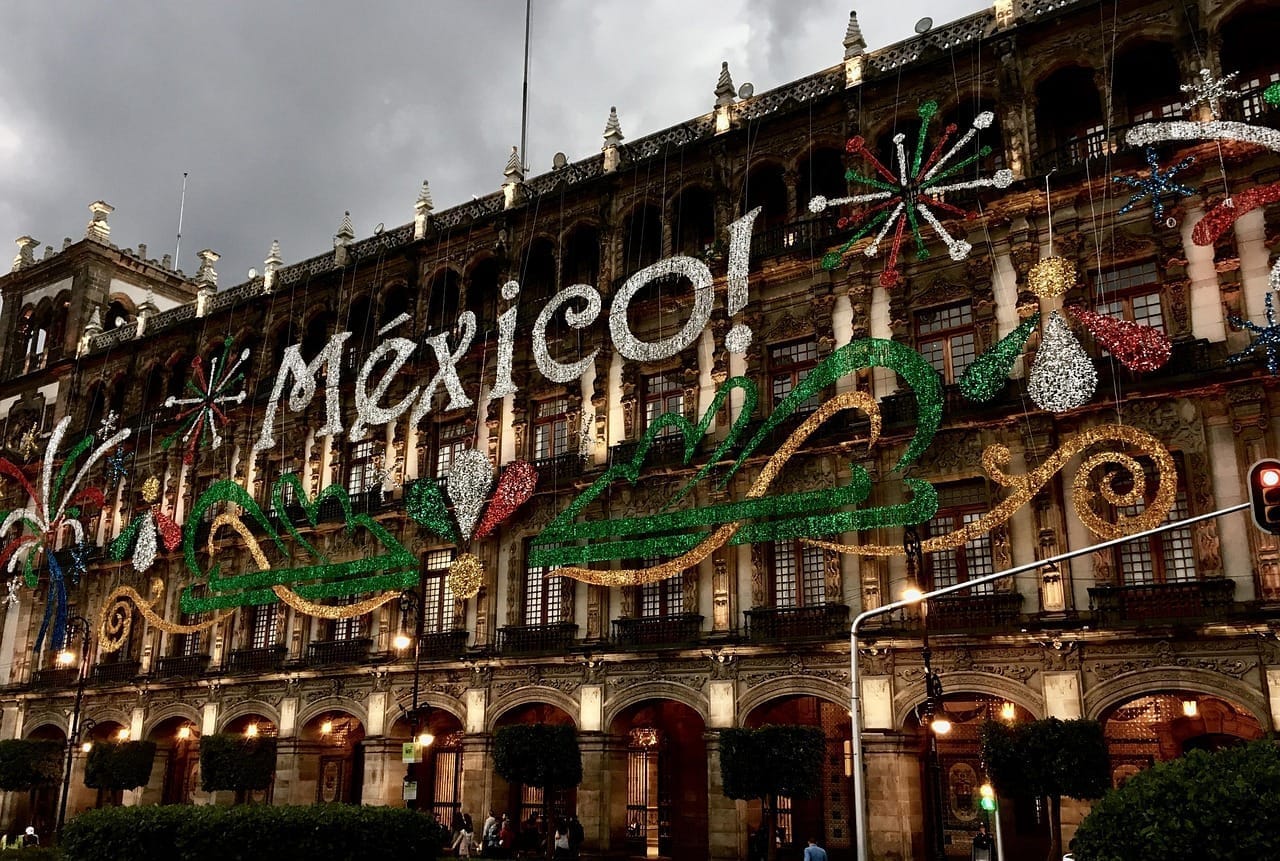
While piñatas are common at birthday parties in Canada, they're not a Christmas tradition. In Mexico, the traditional Christmas piñata is a star with seven points representing the seven deadly sins. Breaking it symbolizes overcoming temptation, with the candy inside representing the rewards of faith.
Modern piñatas come in all shapes and sizes, from traditional stars to cartoon characters. At our posadas, we've had everything from Disney characters to soccer balls. The cost ranges from 200 to 500 pesos depending on size and design, and filling one with candy typically adds another 200 to 300 pesos.
Pro tip from experience: if you're hosting, buy more candy than you think you need. Mexican piñatas are designed to be tough, and kids will be swinging for a while.
Nochebuena: Christmas Eve Takes Center Stage
In Canada, our family always focused on Christmas Day, with maybe a small gathering on Christmas Eve. In Mexico, it's completely reversed. Nochebuena, Christmas Eve on December 24th, is the main event.
Mexican families typically gather late in the evening, often not starting dinner until 9 or 10 PM. The meal is elaborate and can include turkey, bacalao (salted cod), romeritos (a vegetable dish with mole sauce), pozole, tamales, and various salads. Many families attend midnight mass, called Misa de Gallo, before or after dinner.
This late-night celebration was an adjustment for us. Back in Vancouver, we'd be in bed by 11 PM on Christmas Eve. Now, we're often still at our neighbors' house at 1 AM, listening to mariachi music and eating pozole.
Christmas Day itself is relatively quiet in Mexico. Many businesses close, families might have a smaller meal with leftovers, but it lacks the frenetic energy of Canadian Christmas mornings with stockings and gift-opening marathons.
Gift-Giving: A Different Approach
In Canada, December 25th was all about presents. We'd wake up early, open stockings, have breakfast, then spend hours opening gifts under the tree. In Mexico, gift-giving traditions are split between multiple days, which has significantly reduced the commercial pressure we used to feel.
When Gifts Are Exchanged
Traditional Mexican families exchange gifts on three occasions:
• December 24th or 25th: Some families give small gifts, especially in urban areas influenced by American traditions
• December 31st or January 1st: End-of-year gifts, often practical items
• January 6th, Día de Reyes: The main gift-giving day, when the Three Wise Men bring presents to children
Our family has adopted a hybrid approach. We do small gifts and stockings on December 25th to maintain some Canadian tradition, but we've embraced Día de Reyes for the major presents. This spreads out the expense and excitement, and honestly, it's a more relaxed way to handle the holidays.
The Magic of Día de Reyes
On January 5th, children write letters to the Three Wise Men, requesting gifts. They leave their shoes out overnight, often with grass or water for the camels. The next morning, they wake to find presents.
The tradition includes eating Rosca de Reyes, a sweet oval bread decorated with candied fruit. Hidden inside are small figurines representing baby Jesus. Whoever finds a figurine in their slice must host a party on February 2nd, Día de la Candelaria, serving tamales to everyone.
My kids love this tradition. The extended anticipation makes January 6th feel special rather than anticlimactic, and finding the figurine in the rosca has become our family's favorite new tradition.
If you're serious about making this life-changing move, our
online course provides comprehensive guidance on everything from residency requirements and healthcare to finding the perfect community and integrating into local culture, helping you make a smooth and successful transition.
Weather, Decorations, and the Absence of Snow
Perhaps the strangest adjustment was celebrating Christmas in 30-degree Celsius weather. In most of Canada, Christmas meant snow, ice skating, and bundling up in winter coats. Vancouver's weather is usually much warmer than the rest of the country. In Mérida, we're decorating palm trees and running the air conditioning.
Mexican Christmas decorations reflect this climate. While you'll see traditional elements like nativity scenes, poinsettias (which are native to Mexico), and lights, you won't see much snow imagery. Instead, decorations emphasize religious themes, bright colors, and tropical adaptations.
We've kept our artificial tree from Canada, but we've added Mexican touches: paper flowers, traditional ornaments from local markets, and a handmade nativity scene we purchased in Oaxaca. Our house has become a visual blend of both cultures.
Food: Comparing Holiday Meals
A Canadian Christmas dinner in my family meant turkey, stuffing, mashed potatoes, cranberry sauce, and pie. It was predictable and comforting. Mexican Christmas food is equally traditional but completely different.
Traditional Mexican Christmas Foods
• Bacalao: Salted cod cooked with tomatoes, olives, and peppers. This was foreign to us initially, but it has become a favorite
• Romeritos: A leafy green vegetable served in mole sauce with shrimp patties
• Tamales: Corn dough filled with meat, cheese, or peppers, wrapped in corn husks or banana leaves
• Ponche: A warm fruit punch with tejocote (Mexican hawthorn), sugar cane, and hibiscus
• Buñuelos: Fried dough circles covered in cinnamon sugar
Some Mexican families also serve turkey, but prepared differently than the Canadian version, often with adobo seasoning or mole sauce. We've started doing a fusion dinner: Canadian roast turkey alongside Mexican sides like romeritos and tamales.
The Cost Comparison
One practical consideration for families thinking about relocating to Mexico is the cost of celebrating Christmas. Overall, we spend significantly less here than we did in Canada.
Approximate Holiday Expenses in Mérida
• Artificial Christmas tree: 1,500 to 3,000 pesos (versus 150 to 300 dollars in Canada)
• Decorations from local markets: 500 to 1,500 pesos total
• Traditional holiday foods for a family dinner: 1,500 to 2,500 pesos
• Hosting a posada: 1,000 to 2,000 pesos, including piñata, candy, food, and drinks
• Rosca de Reyes: 200 to 600 pesos, depending on size
Gifts vary by family, but with reduced commercial pressure and multiple gift-giving occasions, we find ourselves spending more thoughtfully rather than frantically buying everything on one day.
What We Miss from Canada
Despite embracing Mexican traditions, we genuinely miss aspects of Canadian Christmas. Snow is the obvious one. My kids grew up with white Christmases, building snowmen, and sledding on Boxing Day. While Mérida's warm weather is pleasant year-round, it doesn't feel quite like Christmas without snow.
We also miss certain Canadian foods that are difficult or expensive to find here: real cranberry sauce, certain types of stuffing, and butter tarts. We've learned to make do, ordering some specialty items online or bringing them back when we visit family in Vancouver.
The quiet of Canadian Christmas morning is another thing we miss. Mexican celebrations are loud, social, and community-focused, which is wonderful but different from the intimate family mornings we had in Canada.
Unlock the secrets of the world's most successful entrepreneurs with the
Global Wealth Navigator Newsletter
Discover the world's best destinations offering a lower cost of living paired with an enriched quality of life with the Global Wealth Navigator Newsletter. Whether you're a retiree or an entrepreneur, we dive into strategies that open doors to international investments, tax optimizations, and discover the finest destinations offering a superior quality of life. Don't let borders or routine define you; lets find your ideal spot in the world, regardless of your income bracket.

What We've Gained
The tradeoffs have been worth it. Mexican Christmas traditions emphasize community, faith, and extended celebration in ways that have enriched our family life. Las Posadas have introduced us to neighbors we might not have met otherwise. The spread of gift-giving across multiple dates reduces stress and commercialism. The focus on shared meals and gatherings rather than material excess feels healthier.
Our teenagers, who were initially resistant to the move, now look forward to the holiday season here. They have friends to attend posadas with, they've learned traditional songs, and they genuinely enjoy participating in traditions that once seemed foreign.
Practical Tips for First-Time Expat Families
If this is your first Christmas in Mexico, here's what I recommend:
• Accept invitations to posadas, even if you feel uncertain about the traditions. Everyone is welcoming and patient with newcomers
• Learn at least one or two verses of the traditional posada songs. Your neighbors will appreciate the effort
• Shop at local markets for decorations rather than big box stores. You'll find unique items and support local artisans
• Try traditional foods even if they seem unfamiliar. We initially resisted bacalao, but now serve it every year
• Don't feel obligated to abandon all your home traditions. Blending both cultures creates something meaningful
• If you have young children, embrace Día de Reyes. It extends the magic of the season
• Prepare for late nights during Nochebuena. Rest in the afternoon so you can enjoy the evening celebrations
Want to learn more about transitioning your family to life in Mexico? Our Move to Mexico Masterclass online course covers everything from navigating cultural differences to managing holidays and special occasions in your new home.
Final Thoughts
Three years ago, I couldn't have imagined celebrating Christmas without snow, without opening presents on December 25th, or without my mother's traditional stuffing. Now, I can't imagine the holidays without posadas, piñatas, and ponche.
Mexican Christmas traditions have taught our family about community, patience, and finding joy in extended celebration rather than a single frantic day. We've kept pieces of our Canadian heritage while embracing new traditions that now feel just as authentic to us.
If you're considering relocating your family to Mexico, don't worry about losing your Christmas traditions. Instead, look forward to gaining new ones that will enrich your family's life in unexpected ways. The holidays in Mexico aren't better or worse than in Canada; they're simply different, and in that difference, we've found something truly special.
If you're serious about making this life-changing move, our
online course provides comprehensive guidance on everything from residency requirements and healthcare to finding the perfect community and integrating into local culture, helping you make a smooth and successful transition.
Written by Mark Benson
Mark, a remote software developer from Vancouver, lives in Mérida with his wife and teenage kids. He writes about practical family relocation—covering schools, healthcare, and safety in Mexico. With his balanced approach, Mark’s articles guide families toward a smoother transition and a more affordable, family-focused lifestyle abroad.
📍 From Vancouver, now in Mérida
Mark’s practical insights guide families through relocation, schooling, and family life abroad. His balanced writing helps readers find stability under the Mexican sun.
Read Articles by Mark →
Global Citizen Life
© 2023 Global Citizen Life
All rights reserved