
Carnival in the Dominican Republic: Why February is the Best Month to Visit
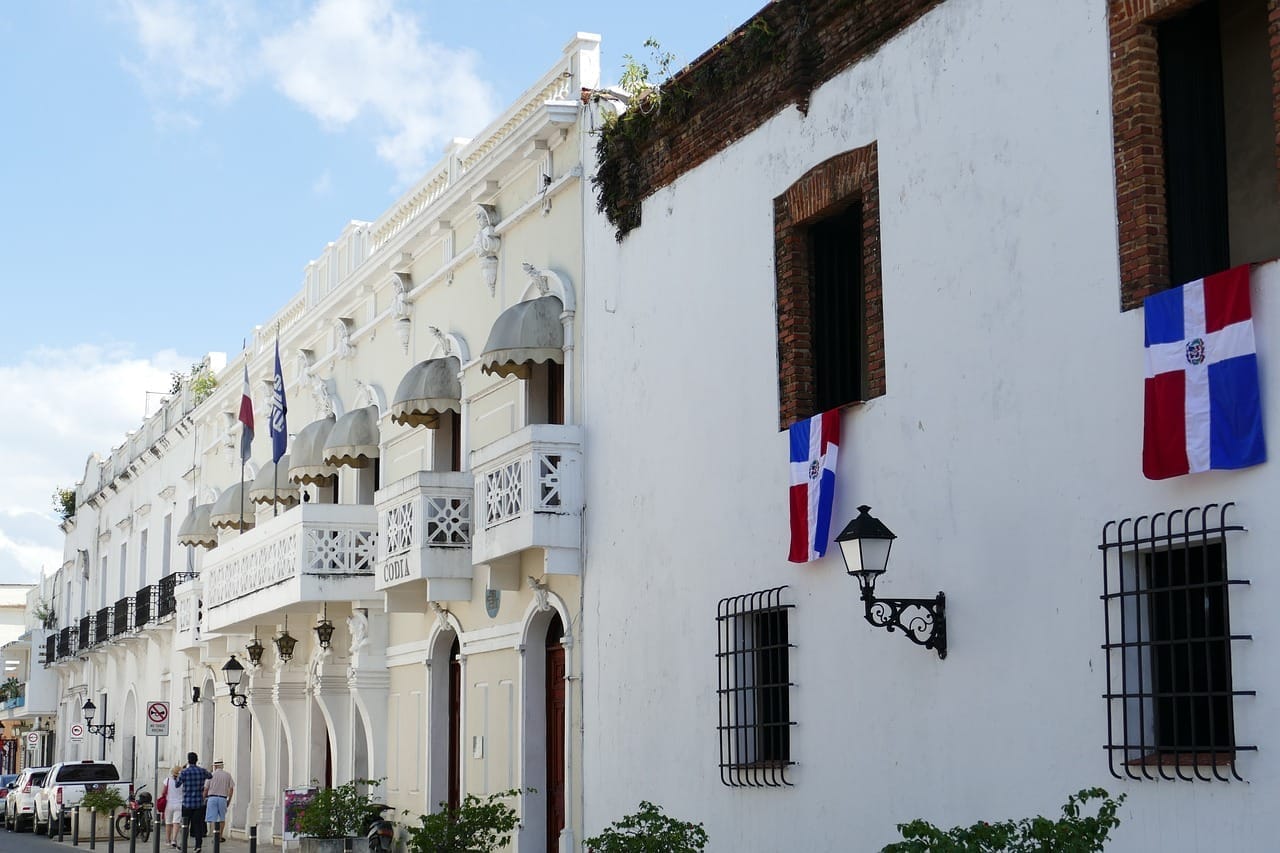
When I first arrived in Punta Cana from London three years ago, I thought I'd seen every kind of celebration the hospitality industry had to offer. Then, in February, I experienced the Dominican Carnival for the first time. Let me tell you, nothing in my years managing high-end resorts across Europe prepared me for the explosive energy, colour, and pure joy that takes over this country every Sunday in February.
If you're considering a move to the Dominican Republic or planning an extended stay, timing your arrival around Carnival isn't just about catching a good party; it's about understanding the heart and soul of Dominican culture. Here's why February should be at the top of your list for experiencing the DR at its absolute best.
What Makes Dominican Carnival So Special
Dominican Carnival isn't a single-day event like many international carnivals. It's a month-long celebration that happens every Sunday in February, culminating in a massive finale on the first Sunday of March or the last Sunday of February. Each region celebrates slightly differently, which means you can experience multiple versions of Carnival if you're willing to travel around the island.
The celebrations blend African, European, and Taíno influences into a uniquely Dominican blend. Unlike Rio's Carnival or Trinidad's mas bands, Dominican Carnival maintains strong folkloric traditions while embracing modern music and contemporary themes. The result is a cultural experience that feels both ancient and entirely of the moment.
The Iconic Diablos Cojuelos
The most recognizable symbol of Dominican Carnival is the Diablo Cojuelo, or limping devil. These characters wear elaborate costumes with colourful capes, ornate masks, and carry vejigas—inflated bladders that they use to playfully swat spectators. My first encounter with a Diablo Cojuelo was terrifying and thrilling in equal measure. Now, I look forward to the chase every year.
The craftsmanship that goes into these costumes is extraordinary. Many families spend the entire year creating their outfits, with some masks being genuine works of art worth thousands of dollars. If you're an artist or appreciate visual culture, the costume competitions alone are worth the trip.
Where to Experience the Best Carnival Celebrations
La Vega: The Traditional Heart
La Vega hosts the most traditional and elaborate Carnival celebration in the country. The costumes here are incredibly detailed, and the competition for best Diablo Cojuelo is fierce. I make the three-hour drive from Punta Cana every year because the authenticity is unmatched.
The main parade takes place on Carnival Sunday, and I recommend arriving early in the morning to secure a good viewing spot.
Accommodation in La Vega books up months in advance during Carnival season, so plan accordingly. Budget around $200-$250 per night for decent hotels, though you can find guesthouses for $100-$140 if you book early enough.
Santo Domingo: Urban Energy
The capital's Carnival takes place along the Malecón, the seaside boulevard, and combines traditional elements with modern production values. The energy is electric, with massive sound systems, professional lighting, and crowds of hundreds of thousands. Santo Domingo's Carnival feels more polished and internationally influenced, appealing to expats who want a cultural experience with a bit more infrastructure.
One advantage of Santo Domingo's celebration is accessibility. You can easily get there from anywhere in the country, and the city's hotel infrastructure offers options at every price point. I typically spend around $180-$220 per night during Carnival at mid-range hotels near the Malecón.
Punta Cana: Resort-Style Carnival
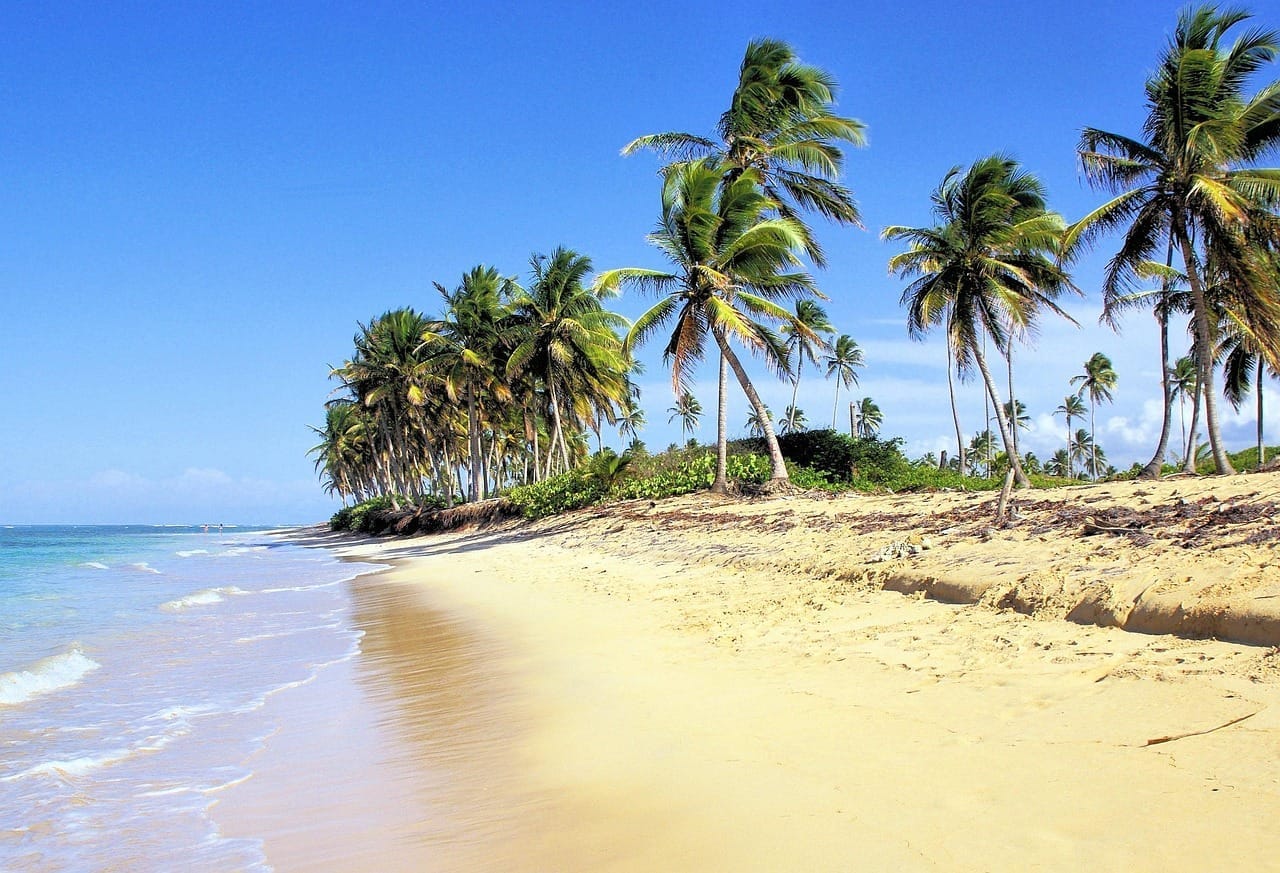
Many Punta Cana resorts organize their own Carnival celebrations or arrange excursions to nearby towns. While not as traditional as La Vega or as massive as Santo Domingo, the local celebrations in Bávaro and Higüey offer a more intimate experience. This is perfect for newcomers who want to dip their toes into Carnival culture without feeling overwhelmed.
Living here year-round, I appreciate having Carnival celebrations right in my backyard. Several resorts along the coast host themed parties with live music, traditional food, and even costume competitions for guests. It's Carnival-lite, but it's a genuine introduction to the festivities.
Monte Cristi: Unique Toros Carnival
If you want something completely different, Monte Cristi in the northwest celebrates with Toros, characters dressed as bulls who chase spectators through the streets. It's less polished than other celebrations but incredibly authentic. The town's isolation means tourism infrastructure is limited, so this is for adventurous expats who don't mind basic accommodations.
Practical Considerations for Carnival Season
Weather and Climate
February is one of the best months weather-wise in the Dominican Republic. Temperatures typically range from 22-28°C (72-82°F), with lower humidity than the summer months. This makes standing outside for hours watching parades actually pleasant rather than exhausting. The dry season means you're unlikely to have rain interrupt the festivities, though I always bring a light jacket for evening events when temperatures can drop.
Costs and Budgeting
Carnival can be surprisingly affordable or relatively expensive, depending on how you approach it. Street celebrations are free to attend, though you'll want to budget for food, drinks, and transport. Here's what I typically spend during a Carnival weekend:
Accommodation: $150-$250 per night, depending on location and how far in advance you book. Hotels near major Carnival routes charge premium rates during February.
Food and drinks: $60-$110 per day if you're eating at local spots and street vendors. Tourist areas will be more expensive, easily reaching $130-$175 per day.
Transport: If you're driving between cities to catch multiple celebrations, budget $50- $80 in fuel per trip. Local transport within cities costs $15- $30, depending on the distance.
Costumes: If you want to participate rather than just watch, basic costumes start around $110, but elaborate outfits can run $550-$1,650 or more.
All in, a weekend of Carnival festivities typically costs me $400-$650, not including accommodation if I'm staying outside Punta Cana. This budget gets you comfortable lodging, good food, reliable transport, and the freedom to fully enjoy the celebrations without constantly checking your wallet.
Safety Considerations
Carnival attracts massive crowds, so be mindful of your belongings and surroundings. I've attended five Carnivals now and have never had a serious problem, but I follow some basic rules:
Leave valuables at your hotel. Bring only the cash you need for the day, a photocopy of your passport, and one credit card.
Stay in groups, especially at night. The energy is generally positive, but large crowds can become unpredictable.
Watch your drinks and food from street vendors. Stick to busy, popular stands where you can see food being prepared fresh.
Be aware of the vejigas. Those inflated bladders the Diablos Cojuelos carry aren't dangerous, but repeated hits can leave bruises. It's all in good fun, but if you're not comfortable with it, step back from the action.
The resort areas tend to be safer during Carnival, with security teams managing crowds and keeping things family-friendly. If you're new to the country or feeling uncertain, starting with resort-organised events is perfectly reasonable.
Beyond the Parades: February's Other Advantages
While Carnival is the main attraction, February offers several other advantages for visitors and potential residents exploring the Dominican Republic.
Peak Tourist Season Benefits
February falls in high season, which means restaurants, attractions, and services are operating at full capacity. This is actually an advantage when you're getting to know the country. You see the tourism infrastructure at its best, meet other international residents, and get a realistic picture of what life is like when the island is busy.
From a job perspective, February is when the hospitality industry is desperate for quality staff. I've hired numerous people during this period because resorts are at capacity and need reliable workers. If you're considering a move and want to secure employment before committing, visiting in February and networking at industry events can open doors.
Real Estate Shopping
This might sound counterintuitive, but February is excellent for property hunting, even during high season. Developers and landlords are motivated to close deals before the summer slowdown, and you can actually see properties with tenants or see rental areas at their busiest.
This gives you a realistic picture of what you're buying into.
I found my current apartment during a February visit specifically because I could see how the building handled the busy season—trash collection, security, noise levels, everything. That information proved invaluable.
Cultural Integration
Experiencing Carnival gives you instant credibility with Dominican colleagues and neighbours. When you can talk about which Diablos Cojuelos had the best costumes or compare the La Vega celebration to Santo Domingo's, you're showing genuine interest in the culture beyond beaches and resorts.
This cultural knowledge has helped me tremendously in my hospitality career here. Understanding the local celebrations means I can help international guests experience them authentically, and it signals to my Dominican team members that I'm invested in being part of the community, not just working here temporarily.
Planning Your February Visit
Timing Your Trip
The entire month of February features Carnival celebrations, but the intensity builds as the month progresses. If you're making a reconnaissance trip to decide whether to move here, I recommend coming in mid-February. You'll catch several Sundays of celebrations, experience the building energy, and still have time to explore the practical aspects of living here during weekdays.
The final Carnival weekend is spectacular, but also the most chaotic. Hotels are fully booked, prices are at their peak, and crowds are at their largest. It's worth experiencing, but not ideal if you're trying to have serious conversations about employment or housing.
What to Pack
Comfortable walking shoes are essential—you'll be on your feet for hours. Lightweight, breathable clothing in bright colours helps you blend in with the festive atmosphere. Bring a small crossbody bag that you can keep close to your body. A refillable water bottle is crucial because you'll be outside in the heat for extended periods.
I also recommend packing a portable phone charger. You'll be taking photos and videos constantly, and having your phone die mid-celebration is frustrating. A small first-aid kit with pain relievers, bandages, and any prescription medications is smart, since pharmacies can be hard to find during celebrations.
Learning Basic Spanish
While you can survive Carnival with minimal Spanish, knowing basic phrases significantly enhances the experience. Dominicans appreciate when foreigners make an effort to speak Spanish, even if it's just '¿Cuánto cuesta?' (How much?) or '¡Qué bonito disfraz!' (What a beautiful costume!)
I arrived with fairly basic Spanish and have improved dramatically by engaging with locals during celebrations and daily life. The informal atmosphere of Carnival makes it less intimidating to practice because everyone is in a good mood and patient with language learners.
Making the Move: Carnival as a Decision Factor
Experiencing the Dominican Carnival should absolutely factor into your decision to move here. It's not just about the celebration itself; it's about what the celebration reveals about life in the Dominican Republic.
The month-long festival demonstrates the Dominican approach to work-life balance. Sundays are sacred for family and celebration, and businesses shut down so everyone can participate. This cultural value permeates daily life year-round. If you're coming from a corporate environment where weekends are just another opportunity to catch up on work, the Dominican attitude toward rest and celebration can be revolutionary.
Carnival also shows you the community aspect of Dominican life. Families spend all year preparing costumes together. Neighbourhoods organize their own celebrations. This isn't a top-down, municipally organized event. It's genuinely driven by communities that care about maintaining traditions. When you move here, you're entering a society that still values these connections.
For someone like me who left London's somewhat reserved social culture, the openness of Dominican celebrations was initially overwhelming. Now it's one of the main reasons I can't imagine leaving. The social life here isn't about exclusive clubs or expensive bars—it's about public celebrations where everyone is welcome, and strangers become friends after sharing a few dances and some rum.
Professional Opportunities During Carnival Season
February presents unique professional opportunities, particularly in hospitality, tourism, and event management. Resorts need experienced managers who can handle the increased volume. Tour operators need guides who can navigate both tourist expectations and authentic local experiences. Restaurants and bars need staff who can manage the rush while maintaining quality.
I've seen numerous expats launch successful businesses by identifying gaps in the Carnival tourism market. Photography services, costume rentals, guided cultural tours, and even apartment rentals specifically for Carnival season have all become viable businesses for people who understand both the international market and the local culture.
The key is approaching it professionally. Dominicans are rightfully protective of their cultural traditions and don't respond well to foreigners who treat Carnival as just another tourist opportunity to exploit. But if you're genuinely interested in facilitating authentic experiences and supporting local artisans and performers, there's definitely room to build something sustainable.
Moving Abroad with Confidence
Making the decision to move to the Dominican Republic, or anywhere abroad, is significant and complex. While experiencing Carnival can be a wonderful introduction to Dominican culture, successful relocation requires careful planning and expert guidance.
Global Citizen Life offers comprehensive Moving Abroad Programs designed to support your international relocation journey. Whether you need a one-time strategy call to clarify your plans, access to their country-specific Moving Abroad Masterclasses covering six destinations, or personalized private coaching and consulting, their expert team provides the knowledge and support to make your move successful. Visit https://www.globalcitizenlife.org/programs to explore how their programs can help you navigate visas, housing, employment, and cultural integration with confidence.
Final Thoughts
Three years ago, I arrived in the Dominican Republic looking for sunshine and a change of pace from London's demanding hospitality scene. What I found was a country where celebration isn't just an event on the calendar, it's woven into the fabric of daily life.
February's Carnival is the most spectacular expression of that spirit, but it's not an isolated phenomenon. The energy, generosity, and joy you experience during Carnival exist year-round, just in different forms. Beach gatherings that stretch until dawn, impromptu street parties when someone sets up speakers, holiday celebrations that span multiple days—this is simply how life works here.
If you're considering a move to the Dominican Republic, visiting in February gives you an honest preview of what you're signing up for. You'll experience the cultural richness, the social intensity, the logistical challenges, and the pure joy that make this country special. You'll also see whether you can handle the noise, crowds, and chaos that come with living in a society that prioritizes celebration and community over quiet efficiency.
For me, February Carnival isn't just the best month to visit the Dominican Republic—it's become one of the main reasons I choose to stay. When the Diablos Cojuelos take to the streets, and the entire country transforms into one massive party, I'm reminded of why I left London in the first place. This is living, not just existing. And that's worth everything.
Written by Charlotte O'Neill
Charlotte traded London's grey skies for Caribbean sunshine in 2019, landing in Punta Cana as a hospitality manager. Now she's built a thriving career in the Dominican Republic's resort industry while enjoying the vibrant expat community and year-round warmth she craved. Charlotte specializes in helping newcomers navigate the practicalities of resort-area living, from finding quality accommodation to understanding local employment opportunities. When she's not working, you'll find her exploring beach towns or enjoying the DR's legendary social scene.
Global Citizen Life
© 2023 Global Citizen Life
All rights reserved