
Beyond Budapest: Medieval Towns and Baroque Splendor in Hungary's Countryside
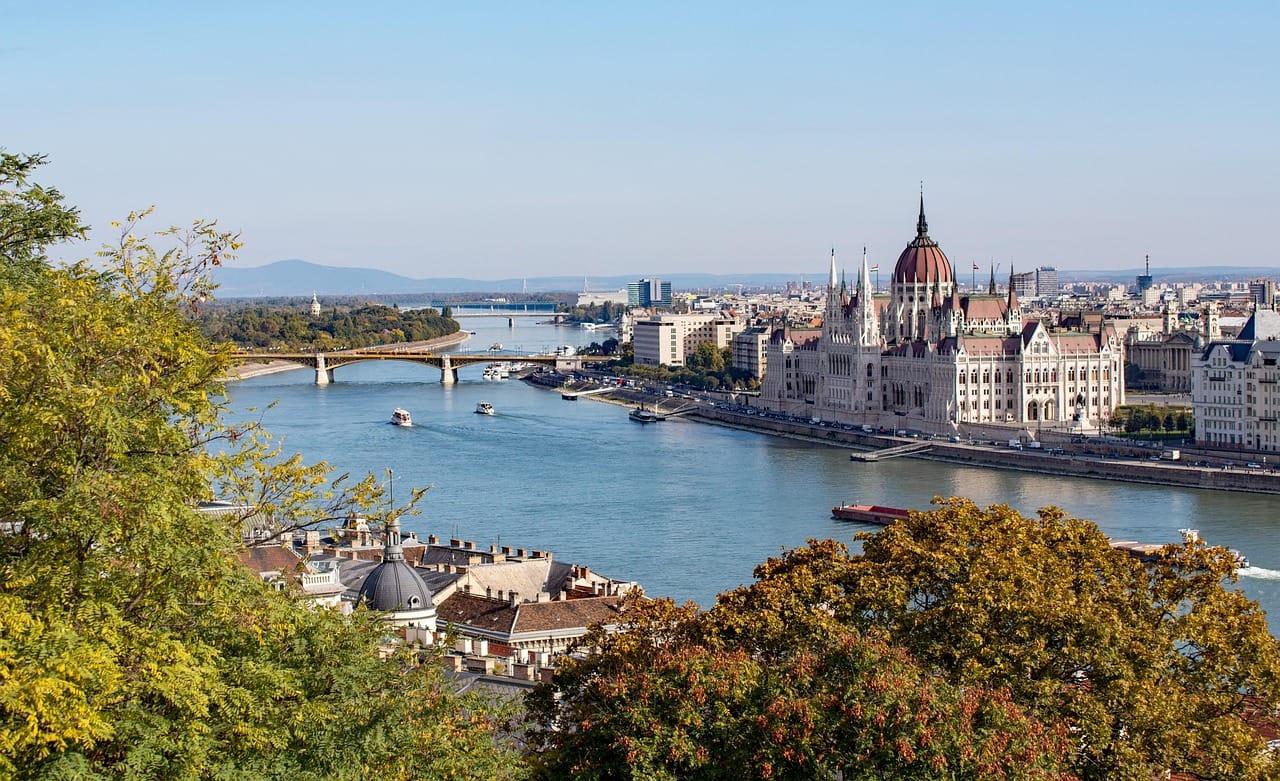
While Budapest captures international attention with its dramatic parliament building and thermal baths, Hungary's provincial towns harbor architectural treasures that often surpass the capital in historical significance and aesthetic cohesion. After three years of exploring these settlements, I've discovered that Hungary's true architectural heritage lies not in its largest city, but in remarkably preserved medieval cores and baroque town centers that escaped the wholesale rebuilding that transformed Budapest in the late 19th century.
For those considering relocation to Hungary, these smaller cities offer compelling alternatives to Budapest: lower living costs, reduced urban stress, and immersion in communities where Hungarian remains the primary language, accelerating cultural integration. This article examines the architectural and lifestyle advantages of Hungary's provincial cities, with practical considerations for establishing residence beyond the capital.
Eger: Baroque Architecture and Ottoman Legacy
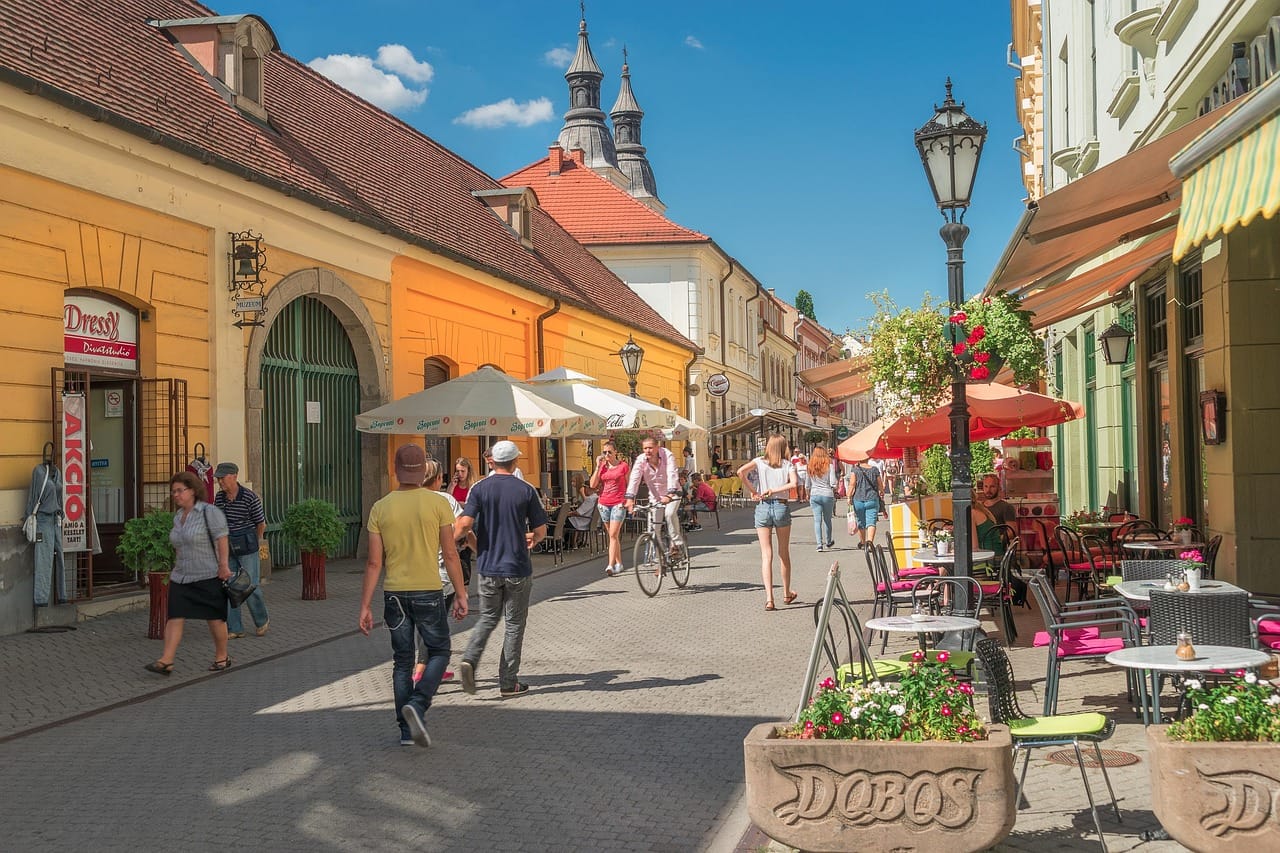
Located 130 kilometers northeast of Budapest, Eger represents Hungarian baroque architecture at its finest. The town's rebuilding following Turkish occupation (1596-1687) created a unified architectural ensemble that rivals anything in Central Europe. The cathedral, designed by József Hild and completed in 1836, employs neoclassical restraint within a baroque urban framework, a sophisticated juxtaposition rarely achieved in provincial settings.
What distinguishes Eger for potential residents is the integration of this architectural heritage into daily life. Unlike museum towns where historical centers serve primarily touristic functions, Eger's baroque core houses the city's administrative offices, university facilities, and commercial activity. Residents conduct ordinary business in buildings that would warrant preservation orders in most countries.
The practical advantages are considerable. A renovated apartment in a baroque building near Dobó Square costs approximately USD 1,650 per month, half the price of an equivalent space in Budapest's historic center. The city's thermal baths, fed by natural hot springs, charge USD 11 for unlimited daily access, compared to USD 27-33 at Budapest's tourist-oriented facilities. Eger's wine region, producing the renowned Egri Bikavér (Bull's Blood), means quality local wines retail for USD 8-11 per bottle in neighborhood shops.
For academics and professionals, Eszterházy Károly Catholic University offers an intellectual community without the competitive intensity of Budapest. The institution's emphasis on teacher training and humanities creates a collegial atmosphere I've found conducive to both research and cultural exchange.
Pécs: Mediterranean Climate and Roman Foundations
Pécs, in southern Hungary near the Croatian border, offers the country's mildest climate—January averages 0°C (32°F), and July reaches 22°C (72°F)—and architecture spanning the Roman, Ottoman, and contemporary periods. The UNESCO-listed Early Christian Necropolis, dating to the 4th century, demonstrates Pécs' historical continuity. The Ottoman mosques, particularly the Mosque of Pasha Qasim, reveal a rare Islamic architectural influence in Hungary.
The city's 19th-century reconstruction, following designs by Ferenc Engel and Mihály Pollack, created cohesive neoclassical streetscapes that avoided the eclectic historicism prevalent elsewhere. Király Street's unified façades demonstrate urban planning principles that contemporary developments often fail to match. This architectural discipline extends to recent construction; Pécs' designation as 2010 European Capital of Culture produced the Zsolnay Cultural Quarter, integrating industrial heritage with contemporary function more successfully than most such projects.
For residents, Pécs offers the affordability of a provincial city combined with robust cultural infrastructure. Monthly rent for a two-bedroom apartment in the historic center averages USD 880, while dining out for a three-course meal costs around USD 22-27. The University of Pécs, Hungary's oldest (founded in 1367), supports medical, humanities, and science faculties, drawing international students and creating notable linguistic diversity for a provincial city. Approximately 12% of the population are university students, sustaining a vibrant year-round café, bookshop, and cultural scene.
The Zsolnay porcelain factory, now a museum and cultural center, exemplifies the preservation of industrial heritage. The facility's Art Nouveau buildings, decorated with the company's distinctive iridescent eosin glaze, house concert venues, galleries, and workshops. This functional preservation, buildings serving cultural purposes rather than standing as empty monuments, creates ongoing engagement with historical architecture.
Unlock the secrets of the world's most successful entrepreneurs with the
Global Wealth Navigator Newsletter
Discover the world's best destinations offering a lower cost of living paired with an enriched quality of life with the Global Wealth Navigator Newsletter. Whether you're a retiree or an entrepreneur, we dive into strategies that open doors to international investments, tax optimizations, and discover the finest destinations offering a superior quality of life. Don't let borders or routine define you; lets find your ideal spot in the world, regardless of your income bracket.

Sopron: Medieval Core and Habsburg Elegance
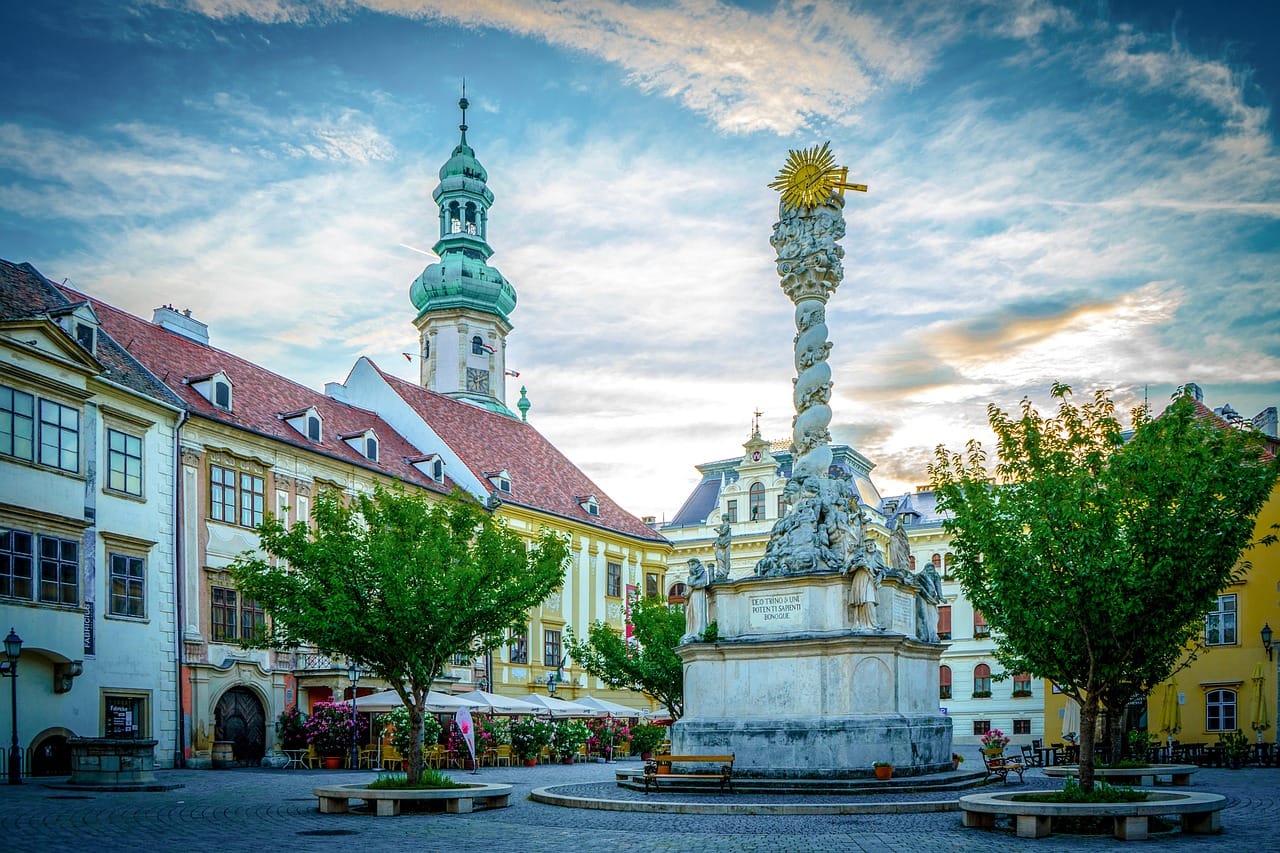
Sopron, 60 kilometers from Vienna on Hungary's western border, preserved its medieval street plan through various political regimes. The inner city's protection as a historical monument since 1962 has prevented modernization, thereby compromising other provincial centers. Walking these streets provides architectural education: Gothic, Renaissance, baroque, and neoclassical buildings stand in immediate succession, each period's building techniques and aesthetic principles clearly legible.
The Firewatch Tower (Tűztorony), combining a 13th-century base with baroque and neoclassical additions, visualizes architectural evolution more effectively than textbooks. The tower's observation platform, reached by 200 steps, provides a perspective on how Sopron's medieval core relates to 19th-century expansion and 20th-century suburbs. Urban development patterns are clearly visible from a single vantage point.
Proximity to Austria creates economic advantages. Vienna is 75 minutes by train, enabling residents to access international flights, cultural events, and specialty shopping while maintaining the Hungarian cost of living. A monthly public transport pass in Sopron costs USD 33, compared to USD 55 in Vienna. Grocery costs are approximately 30% below Austrian prices, while restaurant meals are 40-50% less than at equivalent establishments across the border.
The University of West Hungary's Sopron campus specializes in forestry and wood sciences, reflecting the region's traditional industries. This specialization attracts a specific demographic rather than general student populations, creating professional networks valuable for those interested in environmental sciences or sustainable development. The city's wine region, particularly Kékfrankos production, provides additional cultural dimension and economic activity.
Housing in Sopron's historic center presents challenges. Many buildings require significant renovation, and preservation regulations limit modifications. A renovated 75-square-meter apartment costs approximately USD 1,430 monthly, comparable to similar properties in Budapest's Castle District. However, properties outside the protected zone cost 30-40% less while remaining within walking distance of the medieval core.
Győr: Industrial Heritage and Baroque Squares
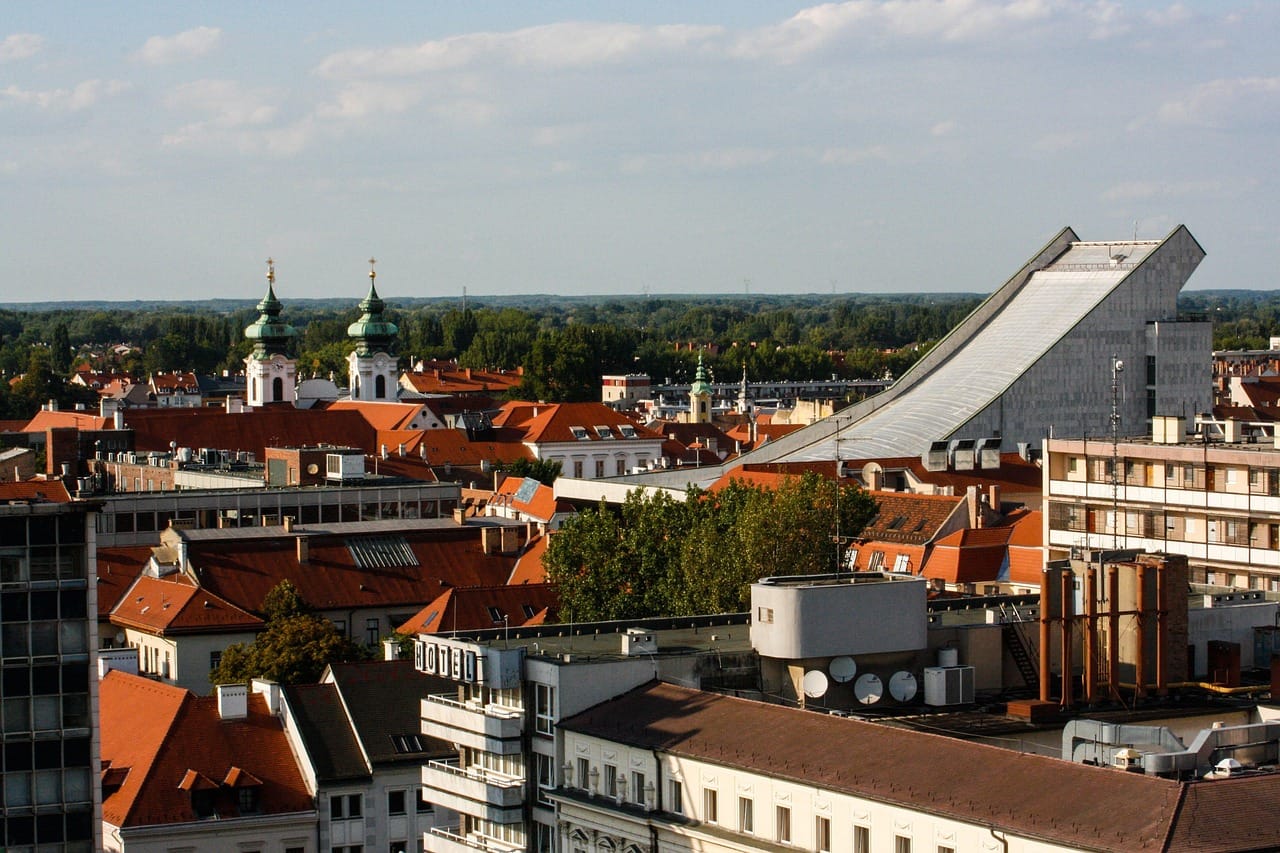
Győr, positioned where the Rába and Rábca rivers meet the Danube, demonstrates how industrial prosperity can coexist with architectural heritage. The city's 18th-century rebuilding, supervised by architects including Menyhért Hefele, created baroque squares and streetscapes that survived 20th-century industrialization. The Chapter Hill area, centered on the cathedral, contains the densest concentration of baroque ecclesiastical architecture outside Budapest.
Győr's economic base, automotive manufacturing centered on Audi's massive facility, creates employment unusual in Hungarian provincial cities. This industrial presence attracts international professionals, generating demand for English-language services, international schools, and globally-oriented cultural programming. The economic stability supports architectural preservation; unlike cities dependent on declining industries, Győr funds ongoing restoration of its historical core.
For residents, this economic foundation translates into amenities. Monthly rent for a modern two-bedroom apartment averages USD 990, while renovated historical properties cost USD 1,320-1,650. The city's four universities create intellectual infrastructure, though none approach Pécs' comprehensive offerings. Average salaries are 15-20% above the national average, reflecting wages in the automotive sector.
The tension between industrial function and historical preservation creates interesting urban dynamics. The baroque unity of Széchenyi Square contrasts sharply with the modernist architecture surrounding Audi's facilities. This juxtaposition, arguably more honest than sanitized heritage zones, reveals how contemporary Hungarian cities negotiate between economic necessity and cultural preservation.
Veszprém: Ecclesiastical Architecture and Cultural Programming
Veszprém, designated as the 2023 European Capital of Culture alongside Hungary's Lake Balaton region, sits atop five hills, a defensive site. Castle Hill's architectural ensemble: cathedral, bishop's palace, and associated ecclesiastical buildings, represents the evolution of Hungarian religious architecture from Romanesque foundations through Gothic, baroque, and neoclassical styles.
The cathedral's crypt contains 11th-century frescoes discovered during 20th-century restoration, demonstrating archaeological layers beneath visible architecture. This vertical accumulation of historical periods, Roman foundations supporting medieval structures modified in baroque style, provides material evidence of Central European historical continuity that written records alone cannot convey.
The European Capital of Culture designation produced significant cultural investment. The VEB (Veszprém-Balaton 2023) program funded new performance venues, gallery spaces, and cultural infrastructure that will serve the region long after the designation year. This investment created opportunities for cultural professionals and artists, complementing the city's traditional role as an ecclesiastical and administrative center.
Living costs in Veszprém remain moderate despite recent cultural investment. A two-bedroom apartment in the city center rents for approximately USD 770 monthly, while utilities average USD 165-220. Lake Balaton's northern shore, 15 kilometers distant, provides summer recreation and supplements the city's cultural calendar with music festivals and outdoor events.
Pannon University's Veszprém campus focuses on engineering and information technology, attracting students interested in technical fields rather than humanities. This specialization creates different community dynamics than those in comprehensive universities: more focused professional networks, fewer international students, and stronger connections to regional industries.
Practical Considerations for Provincial Residence
Language requirements intensify outside Budapest. While capital residents frequently speak English, provincial cities maintain Hungarian as the primary language for daily transactions, healthcare, and administrative procedures. This linguistic immersion accelerates Hungarian acquisition but demands commitment to language study. My experience suggests achieving functional Hungarian requires 12-18 months of consistent effort when living in a provincial city, compared to 18-24 months in Budapest, where English provides easier fallback options.
Healthcare access varies significantly between cities. Pécs and Győr maintain university medical centers providing specialized care, while smaller cities rely on regional hospitals with more limited capabilities. Private healthcare, increasingly common among expats, costs approximately USD 55-88 for specialist consultations, with comprehensive annual health insurance ranging from USD 1,100-1,650 depending on coverage and age.
Transportation infrastructure connects these cities efficiently. MÁV (Hungarian State Railways) operates frequent services to Budapest, with journey times ranging from 90 minutes (Győr) to three hours (Pécs). Monthly passes for unlimited regional travel cost approximately USD 55-77, making regular Budapest visits economically feasible. However, local public transport in provincial cities often runs on reduced schedules, particularly in the evenings and on weekends, making car ownership more practical than in Budapest.
Community integration proceeds differently in provincial settings. Smaller populations mean social networks form more quickly, but also create less anonymity. Residents report both advantages and challenges: stronger community support systems, but also a more visible foreign presence. My experience in Eger suggests that consistent engagement with local cultural events, language classes, and civic activities facilitates acceptance, though full integration requires years rather than months.
Architectural Tourism Versus Residential Reality
Visiting these cities as a tourist differs fundamentally from living there. Day visitors photograph baroque façades and medieval towers; residents navigate preservation regulations, heating costs in historical buildings, and the practical challenges of modern life in centuries-old structures. The romantic appeal of residing in a baroque townhouse confronts realities such as limited electrical capacity, complex renovation permissions, and heating systems designed for a different climate.
These challenges aren't insurmountable, but they do require realistic assessment. Modern apartments in these cities' peripheries often provide more practical accommodation while maintaining access to historical centers. A 10-minute walk separates convenient modern housing from architectural treasures. It's an acceptable tradeoff for many residents who value daily comfort over living within the historical fabric.
The cultural programming that sustains these cities' vitality operates on seasonal rhythms. Summer brings festivals, concerts, and outdoor events; winter contracts cultural activities significantly. This seasonality suits some temperaments while frustrating others. Those accustomed to year-round cultural access available in major capitals may find provincial Hungarian cities limited during colder months.
Economic and Professional Opportunities
Employment opportunities vary considerably between cities. Győr's automotive sector creates demand for engineers and technical specialists. Pécs and Eger's universities employ academics and support staff. Sopron's proximity to Austria enables cross-border employment. However, each city's relatively small size limits job diversity, and specialists in niche fields often find insufficient local demand.
Remote work transformed these calculations. Professionals earning international salaries while residing in provincial Hungarian cities achieve purchasing power impossible in their home countries or in Budapest. A USD 5,500 monthly income, moderate for skilled professionals in Western countries, provides an upper-middle-class lifestyle in Pécs or Eger, including a renovated historical apartment, regular cultural participation, and weekend travel throughout Central Europe.
Entrepreneurial opportunities exist but require understanding local markets. Tourism-oriented businesses succeed in Eger and Sopron; Győr's industrial workforce creates demand for various services; Pécs' student population supports hospitality and retail. However, the limited populations of provincial Hungarian cities mean most businesses operate on smaller scales than their Budapest equivalents, affecting both revenue potential and competition levels.
Supporting Your Move to Hungary
Global Citizen Life offers comprehensive support for those considering relocation to Hungary's provincial cities. Our Moving Abroad Programs provide structured guidance through the complexities of international relocation, from initial research through successful settlement.
We offer three strategic approaches: one-time strategy calls for focused consultation on specific questions, six country-specific Moving Abroad Masterclasses providing comprehensive relocation frameworks, and private coaching for personalized guidance throughout your transition. These programs draw on extensive experience with Central European relocations, addressing both practical logistics and cultural integration challenges.
Choosing Your Hungarian Base
Hungary's provincial cities offer architectural and cultural experiences unavailable in Budapest. Their preserved historical cores, manageable scale, and lower costs create compelling residential environments for those willing to embrace Hungarian and provincial rhythms. However, these advantages accompany limitations: reduced employment diversity, seasonal cultural programming, and infrastructure designed for smaller populations.
The choice between Budapest and provincial cities ultimately reflects personal priorities. Those requiring international business connections, comprehensive cultural programming, and English-language accessibility will likely prefer the capital. Those prioritizing architectural quality, community integration, lower costs, and authentic Hungarian cultural immersion will find provincial cities more satisfying.
After three years dividing my time between Budapest and Eger, I've concluded that Hungary's provincial cities deserve consideration equal to that of the capital. They represent not second-tier alternatives but distinct approaches to Hungarian residence, each offering advantages impossible in Budapest's metropolitan scale. The baroque squares of Eger, Pécs' Mediterranean climate, Sopron's medieval core, Győr's industrial vitality, and Veszprém's ecclesiastical heritage constitute architectural and cultural resources that reward long-term engagement.
For those seeking life beyond tourist circuits, where Hungarian culture operates on its own terms rather than adapting to international visitors, these cities provide immersive environments that accelerate both language acquisition and cultural understanding. The architectural heritage surrounding daily life creates constant engagement with Central European history, not as museum exhibits but as a lived environment shaping contemporary experience.
Written by Michael Adler
Michael is an American academic lecturer and writer based in Budapest, Hungary. At 59, he relocated from the USA to pursue teaching opportunities while immersing himself in Central Europe's rich cultural tapestry. With expertise in cultural integration and architecture, Michael shares insights from his expat journey to help others navigate life abroad. His work focuses on the practical and cultural aspects of relocating to Hungary and Central Europe, blending academic perspective with real-world experience.
Read all our articles about Hungary here.
Global Citizen Life
© 2023 Global Citizen Life
All rights reserved