
Art Nouveau Budapest: Living Among Europe's Most Beautiful Architectural Treasures
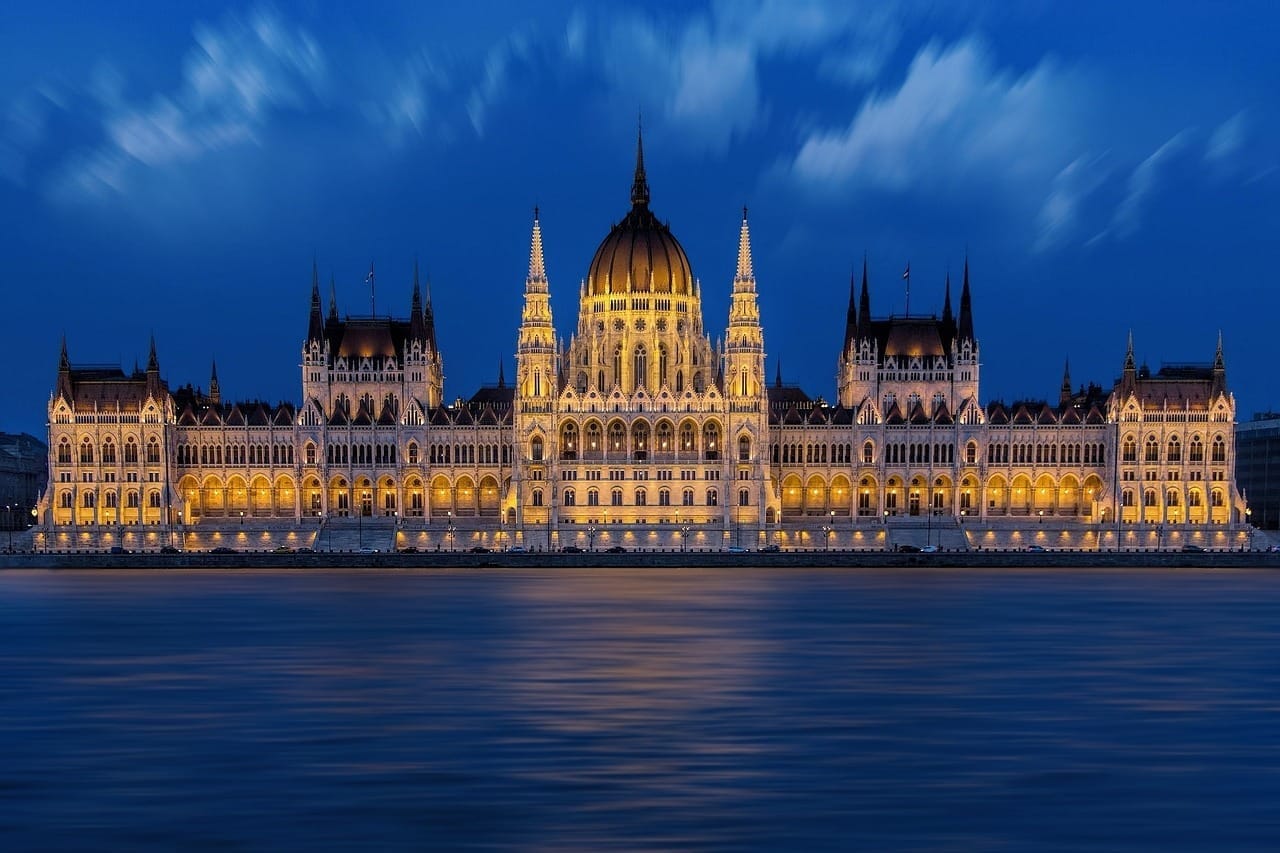
When I first arrived in Budapest five years ago to take up a lecturing position at the Central European University, I expected historic architecture. What I didn't anticipate was living in what amounts to an open-air museum of Art Nouveau masterpieces. Every morning, walking to my office takes me past buildings that would be the crown jewel of any other European city, yet here they line entire boulevards. This isn't just about admiring beautiful buildings; it's about the profound experience of making your daily life among them.
Why Budapest Became Art Nouveau's Greatest Canvas
Budapest's Art Nouveau explosion wasn't accidental. At the turn of the 20th century, Hungary was experiencing unprecedented prosperity and national awakening. The 1896 Millennium celebrations marking 1,000 years of Hungarian history sparked a building boom unlike anything Europe had seen. Architects like Ödön Lechner, Béla Lajta, and the young Károly Kós created a distinctly Hungarian interpretation of Art Nouveau, blending Parisian elegance with Magyar folk motifs and Oriental influences.
What makes Budapest exceptional is the sheer concentration and preservation of these buildings. While Paris demolished many of its Art Nouveau structures and Vienna converted others beyond recognition, Budapest's relative economic stagnation during the communist era inadvertently protected these architectural treasures. Today, you'll find over 1,000 Art Nouveau buildings in varying states of restoration, from the meticulously renovated to the romantically crumbling.
The Neighborhoods Where Art Nouveau Lives
Andrássy Avenue and the Golden Triangle
If you're considering making Budapest your home, understanding where these architectural gems concentrate helps immensely with neighborhood selection. Andrássy Avenue, Budapest's Champs-Élysées, showcases the grandest Art Nouveau palaces. The area between Andrássy, Bajza Street, and Városligeti Avenue, which locals call the Golden Triangle, offers the highest density of Art Nouveau apartment buildings.
Living here means daily encounters with facades adorned with Zsolnay ceramics (Hungary's answer to Art Nouveau tilework), wrought-iron balconies featuring peacock and floral motifs, and entrance halls with original stained glass. A two-bedroom apartment in a renovated Art Nouveau building in this district typically rents for $1,800 to $2,750 per month, while purchase prices range from $440,000 to $880,000 depending on condition and exact location.
District XIII: Újlipótváros
My personal favorite, and where I ultimately chose to live, is Újlipótváros in District XIII. This neighborhood offers a more residential, less touristy Art Nouveau experience. The streets around Szent István Park are lined with buildings by architects such as Béla Lajta, whose geometric, folkloristic approach to Art Nouveau produced some of the movement's most innovative works.
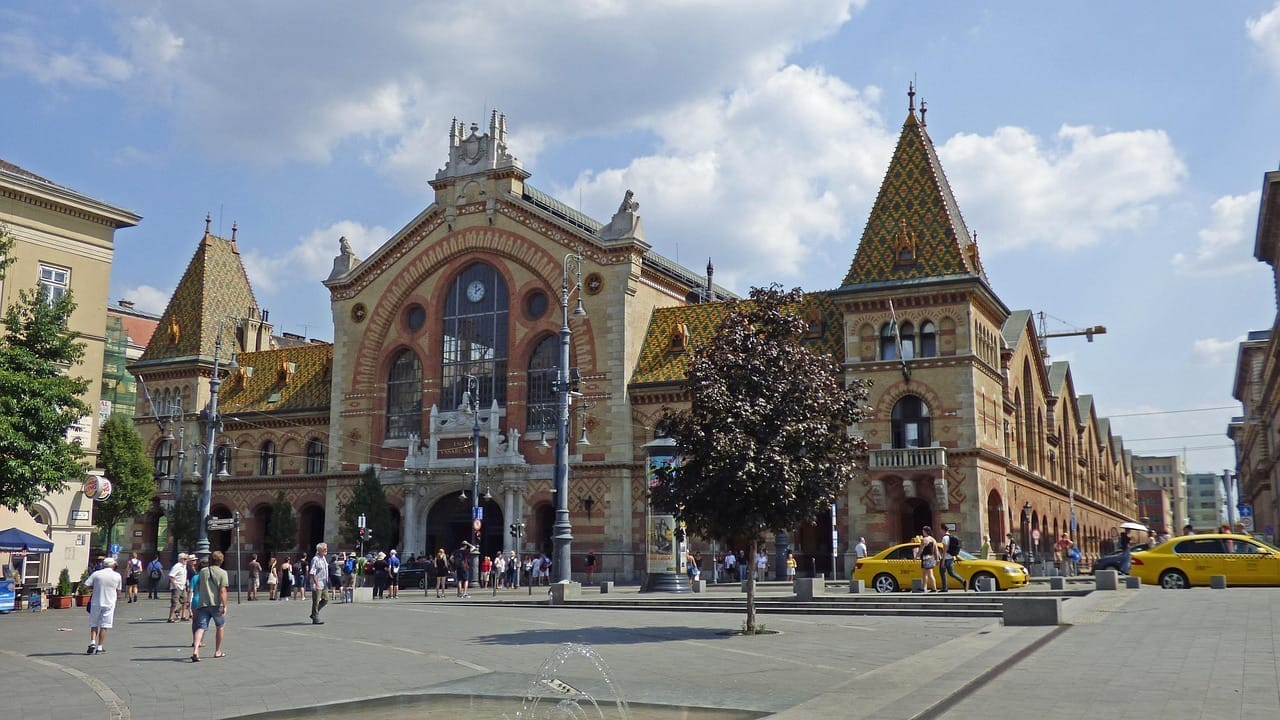
What I appreciate most is the neighborhood's authenticity. You're not living in a museum district; you're part of a functioning community. The weekly farmers market on Lehel Square, held in a stunning Art Nouveau market hall, becomes your regular shopping routine. Coffee shops occupy ground floors of century-old buildings where original details remain intact. Rental prices here are slightly more accessible, ranging from $1,430 to $2,420 for comparable apartments, making it attractive for academics and professionals.
The Emerging Districts: VII and VIII
For those seeking authenticity with an edge, Districts VII (Erzsébetváros) and VIII (Józsefváros) offer extraordinary Art Nouveau buildings at lower prices. These areas, particularly around Madách Square and the Palace Quarter, are undergoing gentrification that's bringing careful restorations. You'll find buildings with original details, ornate entrance halls, geometric tile patterns, and carved wooden doors at prices 30-40% below the more established neighborhoods.
The trade-off is that not every building on your street will be renovated, and some blocks still have rough edges. But for those willing to be urban pioneers, you can rent a spacious apartment in an Art Nouveau building for $1,100 to $1,760 monthly, or purchase for $220,000 to $440,000.
Unlock the secrets of the world's most successful entrepreneurs with the
Global Wealth Navigator Newsletter
Discover the world's best destinations offering a lower cost of living paired with an enriched quality of life with the Global Wealth Navigator Newsletter. Whether you're a retiree or an entrepreneur, we dive into strategies that open doors to international investments, tax optimizations, and discover the finest destinations offering a superior quality of life. Don't let borders or routine define you; lets find your ideal spot in the world, regardless of your income bracket.

Living Inside Art Nouveau: The Daily Reality
The romance of Art Nouveau addresses must be balanced with practical considerations. These buildings, typically constructed between 1896 and 1914, come with both extraordinary beauty and potential challenges.
The Architecture You'll Live With
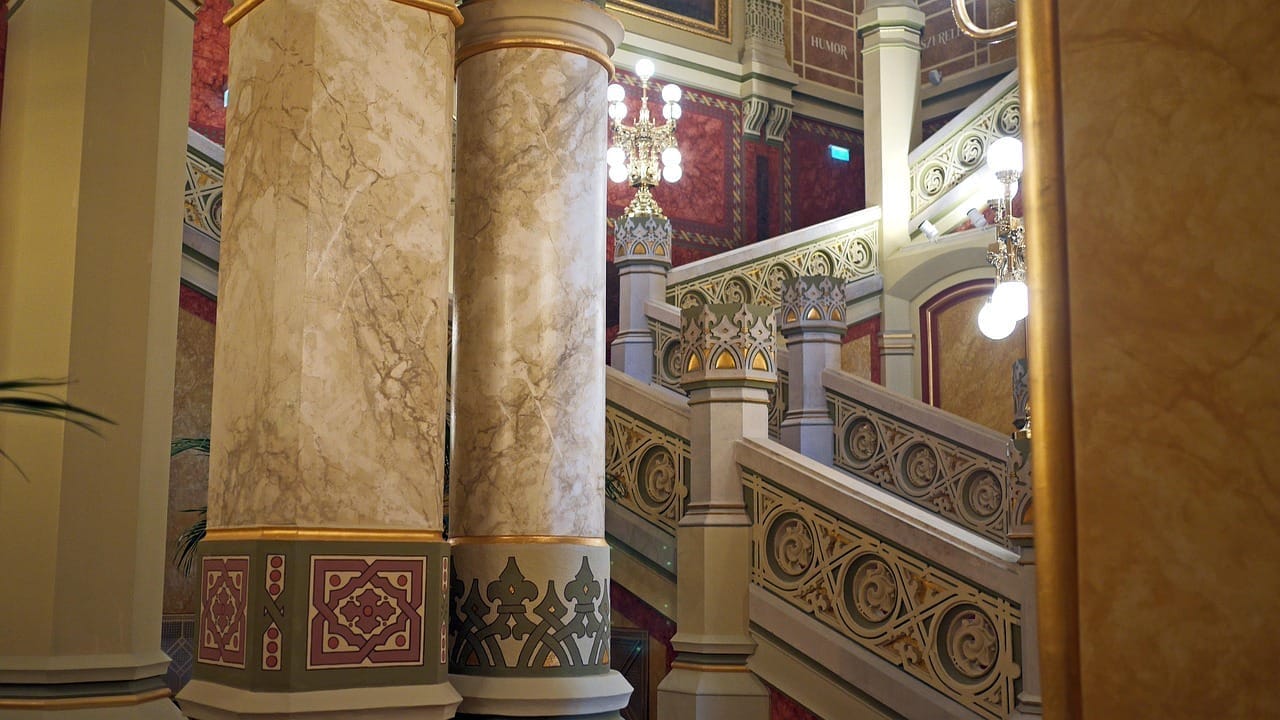
Most Art Nouveau apartments in Budapest feature high ceilings (typically 3.2 to 3.8 meters), large windows that flood rooms with light, and ornate ceiling moldings. Many retain original parquet floors in herringbone or chevron patterns. These alone can be spectacular. The entrance halls, shared spaces used by all residents, often preserve the most elaborate original features: stained-glass skylights, hand-painted frescoes, majolica tilework, and sculpted balustrades.
In my own building on Pozsonyi Road, the entrance features a Zsolnay ceramic fountain that still functions, and the stairwell retains its original light fixtures, delicate brass-and-glass constructions that now accommodate LED bulbs. These details aren't just decorative; they fundamentally shape how you experience home.
Renovation Status Matters Enormously
The critical question when considering any Art Nouveau apartment is renovation status. Buildings fall into roughly three categories:
Fully renovated buildings in which everything—plumbing, electrical, heating, and facade—has been modernized while preserving historic details. These command premium prices but offer modern comfort with period character.
Individually renovated apartments in unrenovated buildings. Your flat might be beautiful, but the common areas and building systems remain original, which could lead to issues with heating, plumbing, and facades.
Unrenovated apartments retaining original features but lacking modern systems. These offer the most affordable entry point and greatest potential, but require significant investment and patience.
I initially rented an individually renovated apartment and learned valuable lessons about heating systems. That first winter, when the building's century-old boiler struggled, it taught me to always inquire about when major systems were last updated. Now, in a fully renovated building, I appreciate the premium I pay for knowing everything works reliably.
The Museums and Icons You'll Visit Regularly
Living in Budapest means that access to Art Nouveau landmarks that would be pilgrimage sites in other cities becomes part of your regular routine.
The Museum of Applied Arts, Ödön Lechner's masterpiece with its roof of colored majolica tiles, becomes a place where you meet friends for coffee in its restored café. The Gresham Palace, now a Four Seasons hotel, has a lobby bar where the full glory of Art Nouveau stained glass and ironwork creates an evening backdrop. The former Post Savings Bank, another Lechner design visible only from higher vantage points, showcases Hungary's unique contribution to the movement through its roof decorations, which incorporate folk motifs.
The thermal baths, especially Gellért and Széchenyi, represent Art Nouveau's functional side. These aren't just tourist attractions but facilities locals use weekly. I've made the Széchenyi Baths my Sunday-morning ritual. Soaking in 38-degree pools surrounded by original tilework and sculptures, you understand how Art Nouveau sought to create beauty as part of daily utility.
Related Article: Discovering Hungary
The Hidden Gems Only Residents Know
Beyond the famous landmarks, Budapest's Art Nouveau treasures hide in plain sight. The Philanthia flower shop on Váci Street occupies an Art Nouveau storefront that's barely changed since 1906. The interior retains its original wooden cabinets, tile floor, and painted ceiling. Buying flowers becomes an aesthetic experience.
Apartment building lobbies offer some of the most spectacular Art Nouveau interiors, and unlike museums, they're free to explore. The building at 3 Honvéd Street features an entrance hall that will take your breath away. Zsolnay ceramics, stained glass, and original brass fixtures combine in perfect harmony. While these are private buildings, a polite request to the doorman during daytime hours usually grants access to photograph the public spaces.
The courtyard gardens, invisible from the street, offer another hidden dimension. Many Art Nouveau buildings feature interior courtyards that residents share. Mine has a small garden with original wrought-iron arbors where wisteria grows. Summer evenings, neighbors gather here, and you realize this architectural style wasn't just about facades; it created complete living environments.
Practical Considerations for Art Nouveau Living
Heating and Insulation
The thick walls of Art Nouveau buildings provide natural insulation, but windows can be problematic. Original wooden windows are beautiful but drafty. Quality replacement windows that maintain the historic appearance while providing modern insulation exist, but expect to pay $770 to $1,100 per window. Budget $275 to $385 monthly for winter heating in an unrenovated 90-square-meter apartment, versus $165 to $220 in a fully renovated building with modern systems.
Building Maintenance and Fees
Common charges in Art Nouveau buildings vary dramatically based on renovation status and amenities. Expect monthly fees from $110 in older buildings to $330 in fully renovated ones with elevators and concierge service. These fees cover building maintenance, but major facade renovations often require special assessments. Hungary offers tax incentives for the preservation of historic buildings, but these typically benefit property owners rather than renters.
Elevator Accessibility
Many Art Nouveau buildings lack elevators or have elevators added later that don't quite fit the architecture. Fourth and fifth-floor apartments (considered premium for light and views) mean stairs. At 59, I'm still comfortable with this, but it's worth considering for long-term planning. Buildings with original Art Nouveau elevators, complete with brass gates and wooden cabs, offer both functionality and experience, though expect occasional maintenance issues with century-old mechanisms.
The Cultural Integration Advantage
Living in Art Nouveau buildings provides unexpected advantages for cultural integration. Hungarians take enormous pride in this architectural heritage, and showing appreciation opens the door to conversations. When neighbors learn you chose your apartment partly for its Art Nouveau features, it signals respect for Hungarian culture beyond expatriate convenience.
The architecture also provides context for understanding Hungarian history and national character. The buildings' mix of Western European Art Nouveau with distinctive Hungarian elements reflects the country's position between East and West, its struggles for national identity, and its periods of prosperity and hardship. Understanding why these buildings look the way they do helps you understand contemporary Hungary.
Investment Perspective: Art Nouveau as Asset
From an investment standpoint, Art Nouveau properties in Budapest represent a distinctive opportunity. European Union heritage protection ensures these buildings can't be demolished or fundamentally altered, providing long-term value security. As Budapest continues attracting international residents and tourists, properties with authentic historic character appreciate consistently.
The market is segmented. Fully renovated apartments in prime locations (Districts V, VI, XIII) have appreciated 8-12% annually over the past five years. Properties requiring renovation in emerging neighborhoods offer higher potential returns but demand more active management. For those willing to oversee careful restoration, purchasing an unrenovated apartment and investing $110,000 to $165,000 in historically appropriate renovation can create significant value.
The rental market for Art Nouveau apartments remains strong. International professionals, academics, and long-term visitors specifically seek these properties, accepting premium rents for the character and location. A well-maintained Art Nouveau apartment can command 20-30% more rent than a modern apartment of equivalent size in the same neighborhood.
Making the Decision: Is Art Nouveau Living For You?
After five years in Budapest's Art Nouveau buildings, I can't imagine living any other way, but this lifestyle isn't for everyone. You must appreciate old buildings with their quirks, accept that perfect climate control might be elusive, and enjoy the character that comes with century-old construction.
The questions to ask yourself: Do you value aesthetic experience in daily life? Are you comfortable with buildings that have history and personality rather than sterile perfection? Can you handle occasional maintenance issues in exchange for living somewhere genuinely special? If these resonate, Budapest's Art Nouveau neighborhoods offer an unmatched living experience.
The magic isn't just the buildings themselves; it's how they shape daily life. Walking home through streets where every building tells a story, entering a lobby that's a work of art, opening your apartment door to high ceilings and original details, these moments accumulate into something greater than the sum of their parts. You're not just living in Budapest; you're inhabiting a piece of European cultural history that remains vibrantly alive.
Resources for Your Art Nouveau Journey
If you're serious about making Budapest your home and want to navigate the complexities of choosing the right Art Nouveau neighborhood and property, professional guidance makes a significant difference. Global Citizen Life offers comprehensive support for those considering the move to Hungary.
Their Moving Abroad Programs provide three levels of support: strategy calls for initial guidance, country-specific Moving Abroad Masterclasses covering everything from residency requirements to property purchase, and private coaching for those wanting personalized consultation. For someone considering Budapest specifically for its architectural heritage, having an expert who understands both the practical and cultural dimensions of the decision proves invaluable.
Budapest's Art Nouveau architecture isn't just beautiful, it's livable, accessible, and increasingly appreciated. Whether you're an academic like me, a remote professional, or simply someone who believes your environment shapes your life, these buildings offer a daily experience unlike any other in Europe. The question isn't whether Budapest's Art Nouveau neighborhoods are worth considering. It's whether you're ready to make one of Europe's greatest architectural treasures your everyday reality.
Written by Michael Adler
Michael Adler is an American academic lecturer and writer based in Budapest, Hungary. At 59, he relocated from the USA to pursue teaching opportunities while immersing himself in Central Europe's rich cultural tapestry. With expertise in cultural integration and architecture, Michael shares insights from his expat journey to help others navigate life abroad. His work focuses on the practical and cultural aspects of relocating to Hungary and Central Europe, blending academic perspective with real-world experience.
Read all our articles about Hungary here.
Global Citizen Life
© 2023 Global Citizen Life
All rights reserved