
Alone But Never Lonely: Finding Solitude and Connection in a Foreign Country After 65
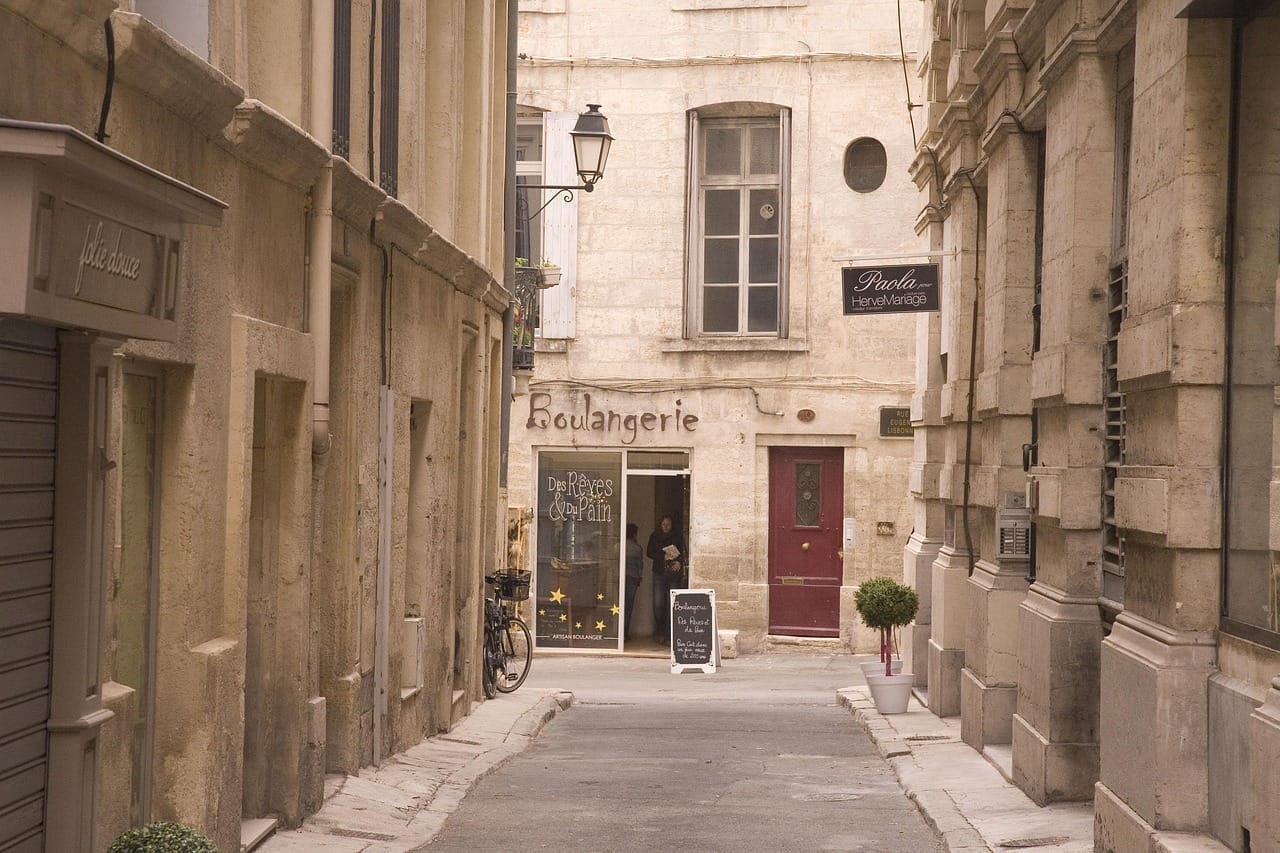
The first morning I woke in my Montpellier apartment, truly alone for the first time in decades, I made coffee in a kitchen where nothing was familiar. The espresso maker hissed in a language I was still learning. Through the window, I could hear my neighbors' voices rising and falling in rapid French, laughter I couldn't yet join. I was sixty-five years old, newly retired from journalism, and I had chosen this solitude. But standing there with my coffee, watching the light pour golden across the terracotta rooftops, I wondered if I had made a terrible mistake.
That was three years ago. Today, I can tell you that being alone and being lonely are not the same thing, though it took me months to understand the difference, and longer still to embrace it.
The Weight of Silence
In Ottawa, I had been perpetually surrounded. Colleagues at the newspaper, neighbors of thirty years, book clubs and dinner parties, and the comfort of a life built over decades. My calendar had always been full. Then retirement came, my husband passed away two years prior, and my children were building their own lives in Toronto and Vancouver. The quiet that descended wasn't peaceful. It was deafening.
France seemed like an answer. I had studied French literature in university, spent a semester in Lyon a lifetime ago, and harbored a journalist's romantic notion that I could rediscover something essential in the country of Colette and Camus. What I didn't anticipate was how thoroughly alone I would feel in those first months.
The practicalities of moving abroad: finding an apartment, navigating French bureaucracy, and opening a bank account provided a scaffolding for my days. But evenings were brutal. I would sit at my small dining table with a bowl of soup, listening to conversations from other apartments drift through the walls, understanding perhaps one word in ten. The loneliness wasn't about missing specific people, though I did. It was about suddenly becoming invisible in a city that didn't yet know I existed.
Learning to Be Present
The shift began, oddly enough, at the Marché des Arceaux. I had been going to the Saturday market for weeks, moving through it like a ghost, buying my tomatoes and cheese without making eye contact. Then one morning, the woman at the fromagerie, Madame Roussel, I would later learn, asked me a question I didn't understand. I stammered an apology in broken French. She smiled, switched to slow, patient French, and asked again: Was this my first time trying Saint-Nectaire?
It was such a small exchange. But she remembered me the next week, and the week after that. She began setting aside a particular chèvre she knew I loved. These tiny recognitions became the threads that slowly stitched me into the fabric of the neighborhood.
I learned that solitude—chosen, intentional solitude—could be a gift rather than a sentence. On weekday mornings, I would walk through the Jardin des Plantes with my notebook, watching the light change, writing observations that no one would read. At first, this felt indulgent, even wasteful. A lifetime in journalism had trained me to write for others, to justify every word. But slowly, I began to understand that these quiet hours were not empty. They were full of attention, of noticing, of being present in a way my former life had never permitted.
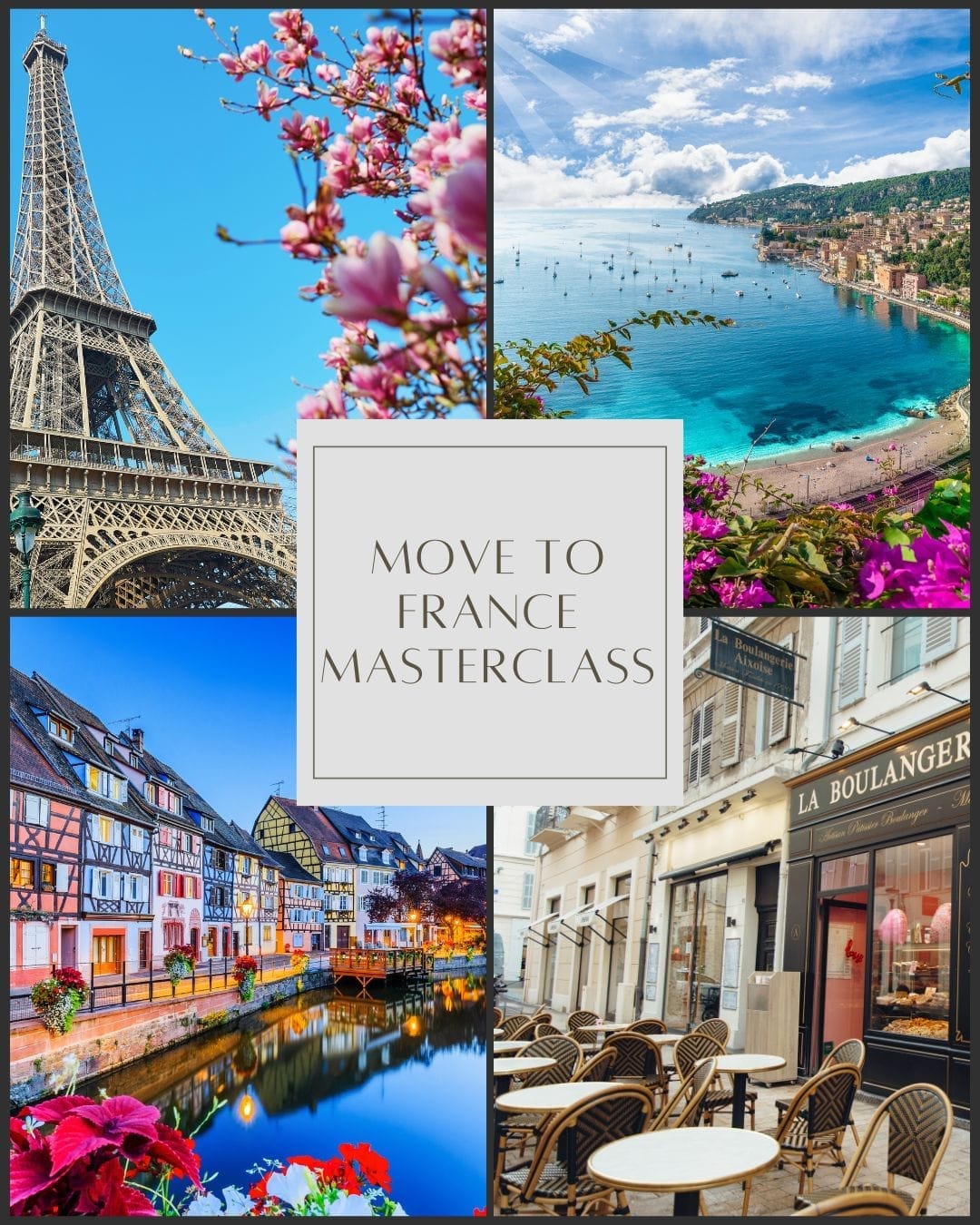
If you're seriously considering a move to France, I encourage you to explore our Move to France Masterclass. This comprehensive online course provides detailed guidance on every aspect of relocating to France, from visa applications and housing searches to cultural integration and community building. Learn from experts and experienced expats who have successfully navigated the journey you're contemplating.
The Architecture of Connection
Connection, I discovered, requires architecture, and in France, much of that architecture is already in place. The café where you take your morning coffee. The boulangerie where you buy your bread. The market where you shop. These aren't just commercial transactions. They're daily rituals that create the possibility of a relationship.
I joined a conversation group for foreigners learning French at the médiathèque. In the first session, I sat rigid with anxiety, certain that everyone else was more fluent, more confident, more at ease. But the group included a German engineer, a Japanese artist, a Brazilian graduate student, all of us fumbling through the conditional tense, all of us sometimes using the wrong word for spectacular effect. We laughed at ourselves. We became friends.
My neighbor, Sylvie, invited me for tea one afternoon after we'd exchanged bonjours in the stairwell for six months. She was seventy-two, a retired schoolteacher, living alone since her husband died. We sat in her book-lined living room, and she told me something I've never forgotten: "The secret to not being lonely is to become interested in the world around you. Boredom and self-pity are the real dangers of living alone. Curiosity is the antidote."
She was right. I started taking painting classes at a local atelier. It was something I had always wanted to do but never had time for. I was terrible at it, but our instructor, Michel, was seventy-eight and still learning, still experimenting. The class became less about the paintings and more about the conversations over coffee afterward, about shared struggles with perspective and light, about the strange courage required to try something new when you're no longer young.
The Richness of Routine
I've come to cherish my routines in a way I never expected. Tuesday evenings, I have dinner with Sylvie and her friend Margot. Usually something simple, a roasted chicken or a pot-au-feu, with good bread and better conversation. On Thursdays, I volunteer at the local bibliothèque, helping children with their English homework. Saturdays, the market. On Sundays, I often take myself to a museum or drive to a nearby village I haven't explored.
These give shape to my days. They're not the frantic scheduling of my working life, where every hour was accounted for and optimized. They're gentler, more spacious. They leave room for spontaneity, an unexpected invitation, a longer walk than planned, an afternoon spent reading in the sun.
And yes, there are still lonely moments. Evening remains the hardest time. Sometimes I miss having someone to turn to and say, "Look at this sunset," or "Listen to this passage." The apartment can feel very quiet. But I've learned to distinguish between loneliness and solitude. Loneliness is wanting to escape yourself. Solitude is becoming comfortable in your own company.
Technology as Bridge and Burden
I video-call my daughters every week, my grandchildren's faces pixelating on the screen as they show me their latest drawings or report cards. My book club from Ottawa meets monthly on Zoom, still dissecting novels together despite being scattered across two continents. These digital connections are precious, but I've also learned they can be a trap.
In my first year, I spent too much time on these calls, trying to maintain my old life from across the Atlantic. I was physically in France but emotionally still tethered to Canada, refreshing Facebook to see what my former colleagues were doing, checking the Ottawa weather, and reading the local news. I wasn't letting myself be where I was.
My daughter Emily, perceptive as always, finally asked me: "Mom, are you actually living in France, or are you just watching your old life from far away?" It stung because it was true. I had to learn to be present here, to invest in these relationships, this place, this new version of my life. I reduced my screen time. I stopped checking Canadian news first thing every morning. I let myself be here.
The Unexpected Gifts
What surprised me most about this journey into intentional solitude is how it has deepened certain relationships. My friendships here are different from the ones I left behind. Not better or worse, but forged in a different way. When you meet people as an adult, especially as an older adult starting over, there's less pretense. You're all aware that time is finite, that connection matters, that we don't have decades to slowly reveal ourselves.
Margot, a widow like Sylvie, told me over dinner once that making friends after sixty requires courage. "We've lost people," she said. "We're afraid to invest again. But the alternative is to close ourselves off, and that's no way to live the years we have left." She was right. Every new friendship is a small act of bravery, a decision to remain open despite knowing how it might end.
I've also discovered the pleasure of intergenerational friendships. At the painting class, I've become close with Anaïs, a woman in her thirties who works in graphic design. We have coffee sometimes after class, and I'm struck by how different her concerns are from mine: career pressures, dating, the cost of housing, yet how similar our struggles with self-doubt and belonging. She tells me I give her perspective. I tell her she keeps me from calcifying into an old person who only talks about the past.
Unlock the secrets of the world's most successful entrepreneurs with the
Global Wealth Navigator Newsletter
Discover the world's best destinations offering a lower cost of living paired with an enriched quality of life with the Global Wealth Navigator Newsletter. Whether you're a retiree or an entrepreneur, we dive into strategies that open doors to international investments, tax optimizations, and discover the finest destinations offering a superior quality of life. Don't let borders or routine define you; lets find your ideal spot in the world, regardless of your income bracket.

Redefining Independence
Living alone in a foreign country at sixty-seven has taught me that independence doesn't mean isolation. There's a particularly French concept—"autonomie"—that's subtly different from the North American idea of independence. It's not about being completely self-sufficient or never needing anyone. It's about managing your own life while remaining connected to the community, about balancing self-reliance with interdependence.
I see this in how my neighbors interact. Sylvie asks me to water her plants when she visits her son in Paris. I ask her to collect a package when I'm away for a weekend. Madame Roussel saves my favorite cheese. The pharmacist remembers my name and asks how I'm feeling after a cold. These small dependencies don't diminish my independence; they enhance it. They create a safety net of mutual care that makes solo living not just possible but pleasant.
This is particularly important as we age. I'm fortunate to be healthy and active now, but I think about the future. Aging alone in a foreign country carries risks, certainly. But aging alone anywhere carries risks. What matters is building the kind of community that will notice if you don't appear at the market, that will check on you during a heat wave, that will drive you to a medical appointment if needed. I'm working on building that here.
The Language of Belonging
Learning French at my age has been humbling and essential. I'll never be fluent. My accent is terrible, and I still stumble over verb conjugations that French children master in primary school. But language learning has become less about perfect grammar and more about connection.
When I can joke with the butcher about the weather, when I can follow the conversation at book club well enough to contribute, when I can read a novel in French even if I don't understand every word, these small victories are profound. They signal that I'm not just visiting this place. I'm inhabiting it.
My teacher, Isabelle, told me something I carry with me: "Every word you learn is a door opening. You don't need to know every word to walk into a room." She was talking about vocabulary, but it's true for life here too. I don't need to understand everything to participate. An imperfect connection is still a connection.
Solitude as Creative Space
Perhaps the greatest gift of this intentional solitude has been the return of my creative life. During my journalism career, I wrote constantly, but always to deadline, always for others, always in service of the story. I had forgotten how to write for myself, or even why I might want to.
Now, I keep journals. I write essays that no one may ever read. I've started working on a memoir about my mother, who emigrated from Scotland to Canada in the 1950s. It's a project I always said I'd do "someday." Someday is now. The quiet hours I once feared have become the hours when I do my best thinking, my deepest work.
Solitude, I've learned, is the condition in which we hear our own thoughts. In the constant noise of my former life, I had lost track of what I actually thought about things, as opposed to what my editors thought, what the readers wanted, what the story required. Here, in the spaciousness of my days, I'm rediscovering my own voice.
The Balance
I won't romanticize this. Living alone in a foreign country after sixty-five is not for everyone, and it's not always easy. There are days when I'm sick and wish someone were here to bring me a cup of tea. There are moments of cultural confusion that still frustrate me. There are times when I miss my old life with an ache that's almost physical.
But I've learned to hold both truths: that this life is sometimes hard, and that it's also profoundly rewarding. That I can be alone without being lonely. That solitude and connection aren't opposites but partners in a life well-lived.
The key, I think, is intention. I didn't flee to France to escape loneliness. If anything, I chose temporary loneliness in service of something else. I chose the challenge of starting over, of proving to myself that I could build a new life from scratch, of seeing if the person I had been before marriage, before children, before career, was still there under all those layers of responsibility.
She was. She is. And she's content here, in this sun-drenched city, with her morning coffee and her market Saturdays and her small circle of friends who speak a language she's still learning.
Advice for Others Considering This Path
If you're considering retirement abroad, especially alone, let me offer what I've learned: Start with the practical. Make sure you understand visa requirements, healthcare access, and the cost of living. These aren't romantic considerations, but they're essential. France has excellent healthcare, but navigating it requires persistence and patience. Budget realistically, I spend roughly $3,600 monthly on rent, utilities, food, and activities in Montpellier, though you could certainly manage on less or spend more in Paris.
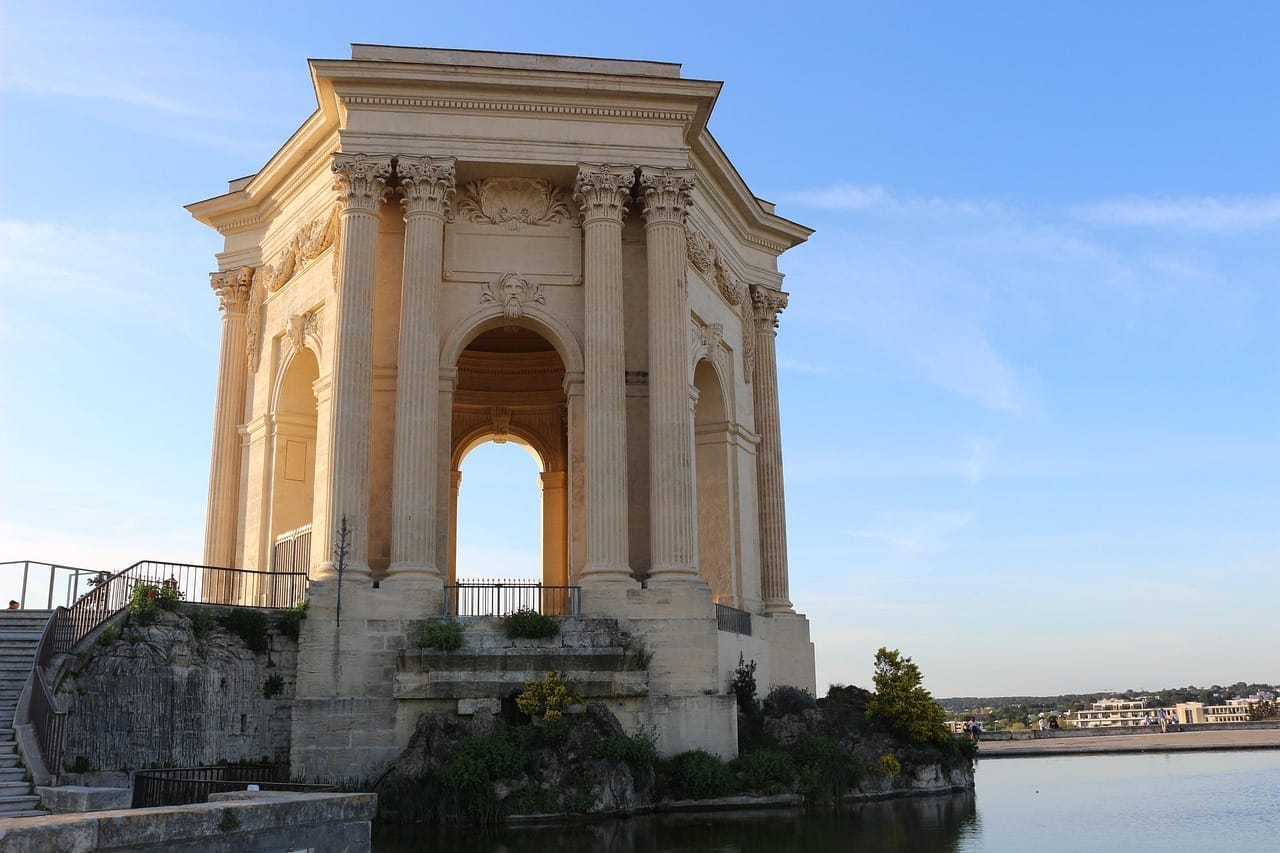
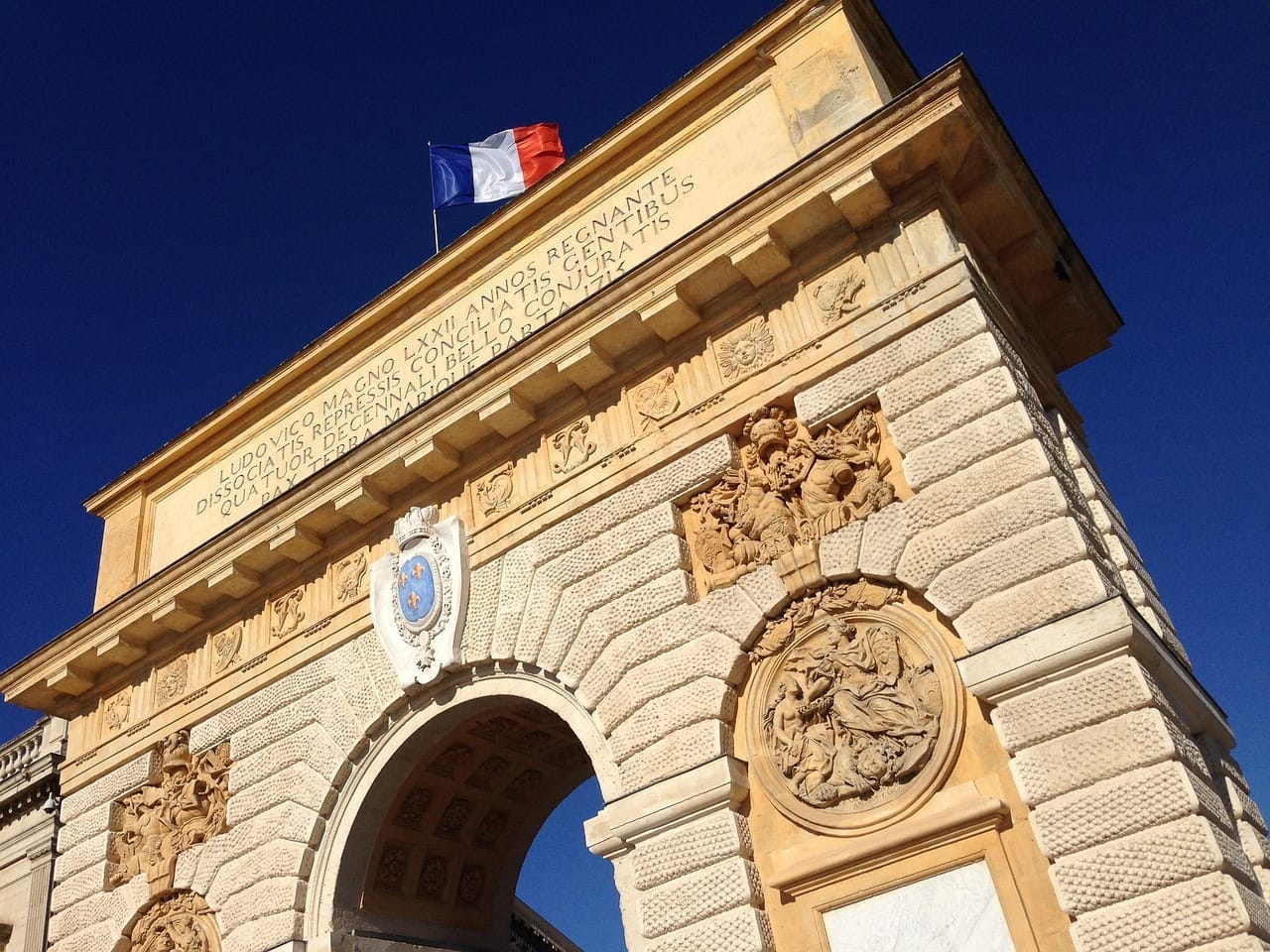
Choose your location carefully. I picked Montpellier because it's a university city with a vibrant cultural life, has good weather, and is large enough to offer amenities but small enough to feel navigable. Consider what matters to you: proximity to healthcare, cultural activities, climate, access to an international airport, and the presence of other expats.
Invest in language learning from day one. You can survive with English in many French cities, but you'll never truly connect. Take classes. Practice with patient shopkeepers. Make mistakes. The effort signals respect and opens doors.
Build routines that force connection. Join groups. Take classes. Volunteer. Show up regularly at the same café or market stall. Consistency is how strangers become acquaintances, become friends.
Be patient with yourself. I was lonely for months. I questioned my decision regularly. There were days I almost booked a flight back to Ottawa. Give yourself permission to struggle, to miss home, to not fall in love with your new life immediately. It takes time.
Stay connected to your people back home, but not so connected that you never arrive where you are. Find the balance between maintaining important relationships and being fully present in your new life.
And finally: be interested. Sylvie was right about this. Boredom and self-pity will kill you faster than loneliness. Stay curious. Try things. Accept invitations. Read books about where you live. Learn the history. Walk new streets. Talk to people. The world is endlessly fascinating if you pay attention.
What I've Gained
Three years in, I can say that moving to France alone at sixty-five was the right decision for me. It won't be right for everyone, but it was right for me. I've gained confidence I didn't know I lacked. The confidence that comes from navigating challenges in a foreign language, from building a life from nothing, from proving that I'm still capable of reinvention.
I've gained perspective. The distance from my old life has helped me see it more clearly: what I loved about it, what I don't miss, who I was in that context, versus who I'm becoming here.
I've gained friends who chose me not because of proximity or obligation, but because we genuinely enjoy each other's company. These friendships feel earned in a way that some of my old relationships, formed through decades of habit, did not.
I've gained time, that most precious commodity. Time to read, to write, to think, to wander through museums on weekday afternoons, to have three-hour lunches with Sylvie where we solve none of the world's problems but enjoy the conversation anyway.
Most importantly, I've gained a relationship with solitude that I never had before. I'm no longer afraid of my own company. I don't need constant stimulation or distraction. I can sit with my thoughts. I can be alone in my apartment for an entire day, reading, writing, and cooking for myself, and feel content rather than isolated.
The View from Here
This morning, I made my coffee in that same kitchen where I stood three years ago, wondering if I'd made a mistake. The espresso maker no longer sounds foreign. Through the window, I hear my neighbors, and while I don't catch every word, I understand their days. Madame Bertrand is calling her cat. The children downstairs are arguing over breakfast. Someone is practicing piano, the same Chopin nocturne they've been working on for weeks.
I'm still alone. My apartment still contains only my books, my dishes, my life. But I'm not lonely. I haven't been lonely in a long time.
In an hour, I'll walk to the market. Madame Roussel will have my Saint-Nectaire waiting. I'll chat with the vegetable seller about the rain we're expecting. I might run into Anaïs or Margot. This afternoon, I have my painting class, and afterward, coffee with Michel and the others.
Tonight, I'll make dinner, something simple, and read the novel I'm working through in French, dictionary close at hand.
It's a good life. A quiet life. A life I built myself, in a language I'm still learning, in a city that has slowly become home.
I am alone. But I am not lonely. And that distinction, hard-won over three years in a foreign country, has made all the difference.
If you're considering making the move to France and want to navigate the practicalities with confidence, our Move to France Masterclass offers comprehensive guidance on everything from visa requirements to finding your perfect community.
If you're seriously considering a move to France, I encourage you to explore our Move to France Masterclass. This comprehensive online course provides detailed guidance on every aspect of relocating to France, from visa applications and housing searches to cultural integration and community building. Learn from experts and experienced expats who have successfully navigated the journey you're contemplating.
Written by Susan Grant
From Ottawa to Montpellier, Susan has crafted a serene life after a career in journalism. Her stories reveal the beauty of everyday moments—markets, neighbors, and slow mornings. With grace and wit, she shares the emotional and practical journey of retirement in France.
📍 From Ottawa, now in Montpellier
Susan writes with depth and grace about retirement and everyday beauty in France’s slower-paced southern regions.
Read Articles by Susan →
Global Citizen Life
© 2023 Global Citizen Life
All rights reserved