
5 Things I Wish I Knew Before Moving to Boquete (And Why I'd Do It Again)
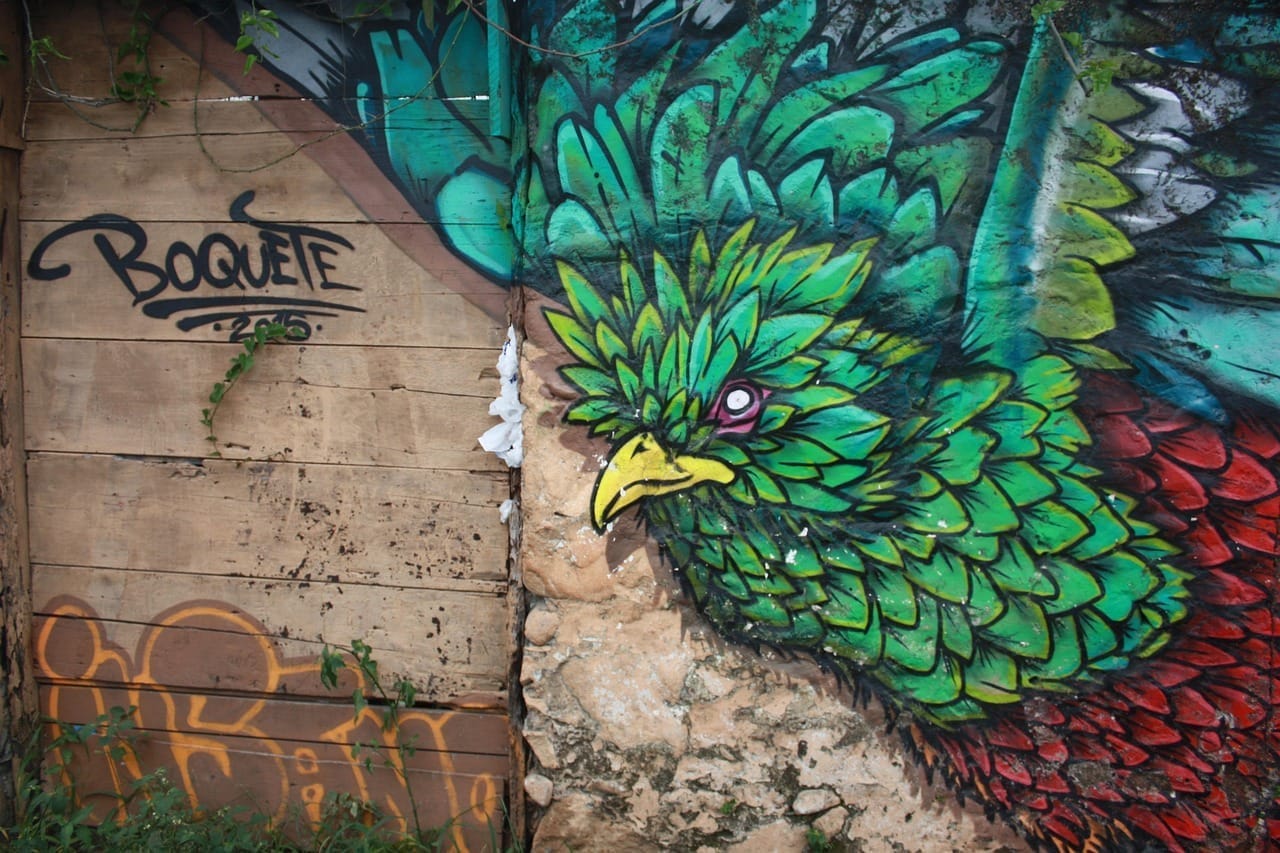
When I first stepped off the plane in David, Panama, with two overstuffed suitcases and a head full of dreams, I thought I had prepared for everything. I'd spent months researching Panama's Pensionado program, watching YouTube videos about expat life, and joining every Facebook group about retiring in Boquete. But as any expat will tell you, there's a world of difference between reading about life in a mountain town and actually living it.
Three years into my Boquete adventure, I can honestly say this move was one of the best decisions of my life. But would I have done a few things differently? Absolutely. Here are the five things I wish someone had told me before I made the leap, and why, despite these surprises, I wouldn't change a thing about my decision to call Panama home.
1. "Eternal Spring" Doesn't Mean "Eternal Sunshine"
Let me paint you a picture: I'm sitting in my favorite café in downtown Boquete, watching sheets of rain pour down while I sip my locally-grown Geisha coffee. It's 2 PM, and this is the third consecutive afternoon where the skies have opened up. Welcome to the reality of Boquete's famous microclimate.
Before moving here, I'd read countless articles about Boquete's "eternal spring" climate. What I didn't fully appreciate was that this paradise experiences two very distinct seasons. The dry season, roughly December through April, is absolutely glorious with daytime temperatures hovering around 20-24°C (68-75°F) and crisp, cool evenings. It's everything the brochures promise.
But the green season? That's a different story. From May through November, afternoon rains are as predictable as the sunrise. We're talking serious downpours that can last hours. The temperature drops to 15-18°C (59-64°F), and that mountain mist everyone photographs so romantically? It's basically living inside a cloud. Humidity hovers around 80%, and your freshly laundered clothes might take three days to dry.
Here's what I learned: you need a solid rain strategy. Invest in a quality dehumidifier or two; they're worth their weight in gold. I run mine in my bedroom and closet constantly during the green season. Buy proper rain gear, not those flimsy tourist ponchos. And most importantly, embrace it. The green season brings cooler temperatures, fewer tourists, lower rental prices, and the most spectacular displays of orchids and wildflowers you've ever seen. My garden has never looked better than during these rainy months.
The truth is, after enduring Canadian winters for 58 years, a little rain in the afternoon is a small price to pay for never shoveling snow again. I'll take my cloud forest over black ice any day.
2. Internet Speed Is a Legitimate Concern
As someone who still manages aspects of my Canadian business remotely, this one caught me completely off guard. I'd read that Panama City had excellent internet, so I assumed the same would be true throughout the country. Wrong.
Boquete's internet infrastructure is, shall we say, evolving. When I first arrived, my rental came with what the landlord proudly called "high-speed internet." It clocked in at about 3 Mbps on a good day. Video calls with my business partner were an exercise in frustration, with screens freezing and audio cutting in and out like a bad radio station.
The good news is that options have improved significantly. Cable Onda and Claro now offer fiber optic service in many parts of Boquete, with speeds up to 200 Mbps. But here's the catch: availability varies dramatically depending on exactly where you live. Properties just a few hundred meters apart can have vastly different internet options.
My advice? Make internet connectivity a non-negotiable part of your property search. Before you sign any lease or purchase agreement, test the internet speed yourself. Don't just take the landlord's word for it. I now pay about $77 USD per month for 200 Mbps fiber, and it's been a game-changer for my remote work and staying connected with family back in Canada.
Also, power outages happen, especially during the green season's intense storms. I invested in a UPS battery backup system for my router and computer. It's saved me from losing work countless times when the lights flicker during afternoon thunderstorms.
If you're planning to work remotely or stay connected with family overseas, do your homework on internet availability before committing to a property. Trust me on this one.
3. The Expat Bubble Is Real (And You Need to Decide How You Feel About It)
When I moved to Boquete, I imagined myself fully immersing in Panamanian culture, speaking fluent Spanish within months, and having mostly local friends. The reality? I spend most of my time with other expats, I speak mediocre Spanish with a terrible accent, and my favorite restaurant is run by an American couple from Colorado.
Here's what nobody tells you: Boquete has a substantial expat community, and it's surprisingly easy to exist entirely within this bubble. There are expat coffee groups, expat hiking clubs, expat book clubs, and expat happy hours. You can shop at the expat-friendly grocery stores, eat at expat-owned restaurants, and even find Canadian products at specialty shops. It's comfortable, familiar, and for many retirees, exactly what they're looking for.
But it's also a choice you need to make consciously. I've met expats who've lived here for five years and speak virtually no Spanish beyond "buenos días" and "la cuenta, por favor." They're happy, they've built wonderful communities, but they're living a very different Boquete experience than those who've pushed themselves to integrate more deeply into local culture.
I've found my balance somewhere in the middle. I take Spanish lessons twice a week at the Spanish by the River school, and while I'm far from fluent, I can handle most daily interactions. I make an effort to attend local festivals like the Feria de las Flores, and I've developed friendships with my Panamanian neighbors. But I also cherish my Tuesday morning coffee group with fellow expats, where we can talk about the challenges of navigating bureaucracy in a second language and laugh about our collective confusion over Panamanian bank procedures.
Be intentional about the experience you want. If cultural immersion is important to you, you'll need to actively pursue it because the expat bubble is seductive and comfortable. But there's also no shame in acknowledging that having a community of people who share your language and cultural reference points makes the transition easier. Find your own balance.
4. Banking and Bureaucracy Will Test Your Patience
I consider myself a reasonably patient person. I ran a small business in Canada for 15 years, dealing with all the paperwork that entails. But nothing prepared me for the unique character of Panamanian bureaucracy.
Opening a bank account took me three visits to the bank, two trips to a notary, one visit to a lawyer, and about five weeks total. Each visit revealed a new required document that nobody had mentioned before. Reference letters from my Canadian bank? Check. Police clearance? Check. Proof of address in Panama? Check. Utility bill in my name? Oh, you didn't mention I needed that. Let me come back next week.
The residency process through the Pensionado program was similar. While the program itself is genuinely generous, the bureaucratic maze to actually obtain your residency card feels designed to test your commitment to living here. Documents need to be notarized, apostilled, translated, authenticated, and submitted in a specific order. And just when you think you've completed everything, you discover you need one more form.
Here's what I learned: hire a good immigration lawyer. Yes, it costs money, typically $2,200-$3,300 USD for the Pensionado process, but it's worth every penny. My lawyer, recommended by a fellow expat, knew which office to visit, which person to speak with, and most importantly, which documents to prepare in advance. What might have taken me six months of frustration took three months with professional help.
For banking, I eventually opened accounts with both Banco General and Global Bank. Having multiple accounts provides backup options when one bank's system is down or when you encounter unexpected limitations. Expect to pay monthly fees of around $22 USD per account, and don't expect online banking to work seamlessly on your first try.
The key is managing expectations. Things move at a different pace here. What would take one visit in Canada might take three in Panama. Offices close for lunch, sometimes for extended periods. Computer systems go down. Bring a book, practice your patience, and remember that eventually, everything does get sorted out.
5. The Cost of Living Isn't as Low as You Think (But It's Still a Good Deal)
This is perhaps the biggest misconception I had about Panama, fueled by those "retire comfortably on $1,500 per month" articles you see online. Can you live on that budget? Technically, yes. Will you live the comfortable, middle-class lifestyle you're probably accustomed to? Probably not.
Let me break down my actual monthly expenses as a single person living comfortably in Boquete:
Rent for a 2-bedroom house with mountain views: $1,100 USD
Electricity (varies by season): $88-$165 USD
Water: $11 USD
Internet (200 Mbps fiber): $77 USD
Groceries: $440-$550 USD
Dining out (2-3 times per week): $220 USD
Private health insurance: $275 USD
Gas for car: $110 USD
Miscellaneous (Spanish lessons, social activities, etc.): $275 USD
Total: Approximately $2,750-$3,000 USD per month
Is this less than what I was spending in Canada? Absolutely. My comparable lifestyle in British Columbia was running me about $4,400- $5,500 USD per month. But it's not the bare-bones budget you might imagine from some retirement articles.
Here's where costs add up: imported goods are expensive. That jar of Canadian maple syrup? $16.50 USD. Your favorite brand of shampoo? Twice what you paid back home. Wine and cheese can cost as much or more than in North America. If you want to maintain a lifestyle similar to what you had before, with familiar products and regular dining out, you need a realistic budget.
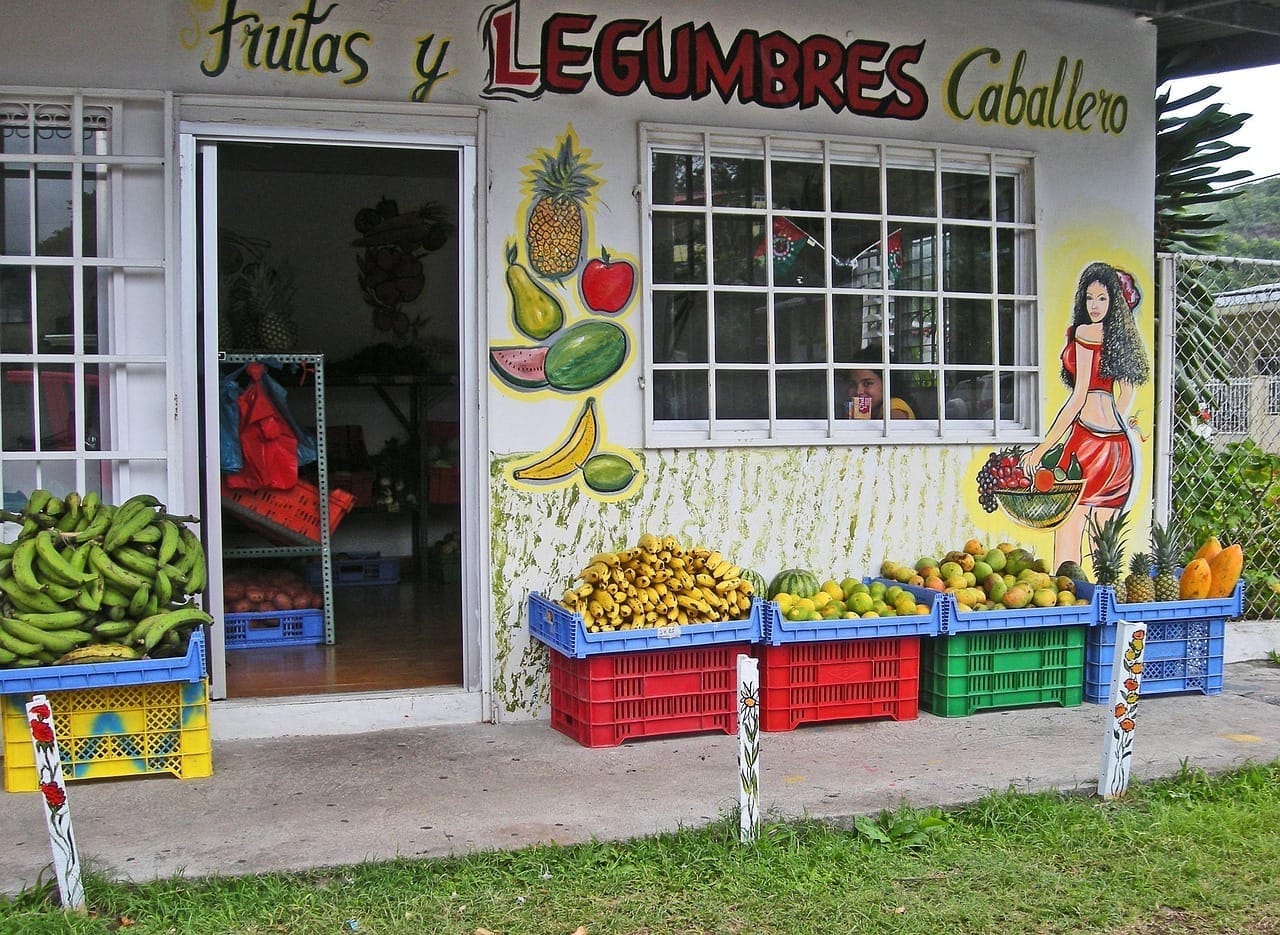
The bright spots? Healthcare is remarkably affordable compared to the United States, even with private insurance. Fresh, local produce at the markets is incredibly cheap. A gardener costs me $44 USD per visit, and my housekeeper charges $33 USD for a full day. Services and labor are genuinely affordable.
My advice is to budget conservatively. Plan for at least $2,500- $3,000 USD per person per month for a comfortable middle-class lifestyle. You might spend less once you figure out the local system and alternatives, but starting with this cushion prevents financial stress during your transition.
Why I'd Do It All Again
Despite these surprises and challenges, moving to Boquete remains one of the best decisions I've ever made. Yes, the internet required some patience to sort out. Yes, I've learned to embrace the rain and carry an umbrella everywhere during the green season. Yes, banking nearly drove me to tears on more than one occasion.
But here's what I've gained: I wake up every morning to the sound of exotic birds instead of traffic. My stress level has plummeted. I've hiked trails through cloud forests, discovered waterfalls, and watched the sun rise over volcanic peaks. I've built a community of friends from around the world who share my sense of adventure. I've learned to slow down, to appreciate the phrase "tranquilo," and to understand that not everything needs to happen immediately.
My health has improved, both physical and mental. The temperate climate means I'm outdoors and active year-round. My blood pressure is lower. My perspective is broader. And while I miss my family and old friends in Canada, video calls work beautifully now that I've sorted out my internet situation, and they love having an excuse to visit me in paradise.
Would I have benefited from knowing these five things before I moved? Absolutely. I might have brought more appropriate clothing for the rainy season. I definitely would have researched internet connectivity more thoroughly. I would have budgeted more conservatively in those first few months. And I would have hired that lawyer from day one instead of trying to navigate the bureaucracy myself.
But the truth is, some things you can only learn by living them. The experience of figuring things out, of adapting, of learning to laugh at the inevitable mishaps, that's all part of the adventure. And that's exactly what moving to a new country should be: an adventure, not just a change of address.
Three years in, I'm still learning, still adapting, and still occasionally surprised. But when I sit on my terrace in the evening, watching the mist roll through the mountains while sipping locally roasted coffee, I know without a doubt that I'm exactly where I'm supposed to be.
Making Your Move to Panama
If you're considering moving to Panama or another international destination, the journey can feel overwhelming. That's why Global Citizen Life offers comprehensive support to help you navigate this life-changing transition with confidence.
Our Moving Abroad Programs provide three levels of support tailored to your needs:
One-Time Strategy Calls: Perfect for those who need focused guidance on specific questions about relocating abroad.
Country-Specific Moving Abroad Masterclasses: Choose from six comprehensive courses that dive deep into everything you need to know about relocating to your chosen destination, from visa options to healthcare systems.
Private Coaching and Consulting: For those who want personalized, hands-on support throughout their entire relocation journey.
Learn more about how we can help make your international move successful at www.globalcitizenlife.org/programs.
Written by Lisa Thompson
Lisa Thompson is a Canadian who has made Boquete, Panama, her home. Drawing from her own expat journey, she writes about retirement living, Panama's diverse microclimates, community integration, and navigating residency options. Her practical insights help aspiring expats understand what life in Panama truly offers beyond the brochures.
Read all our articles about Panama here.
Global Citizen Life
© 2023 Global Citizen Life
All rights reserved